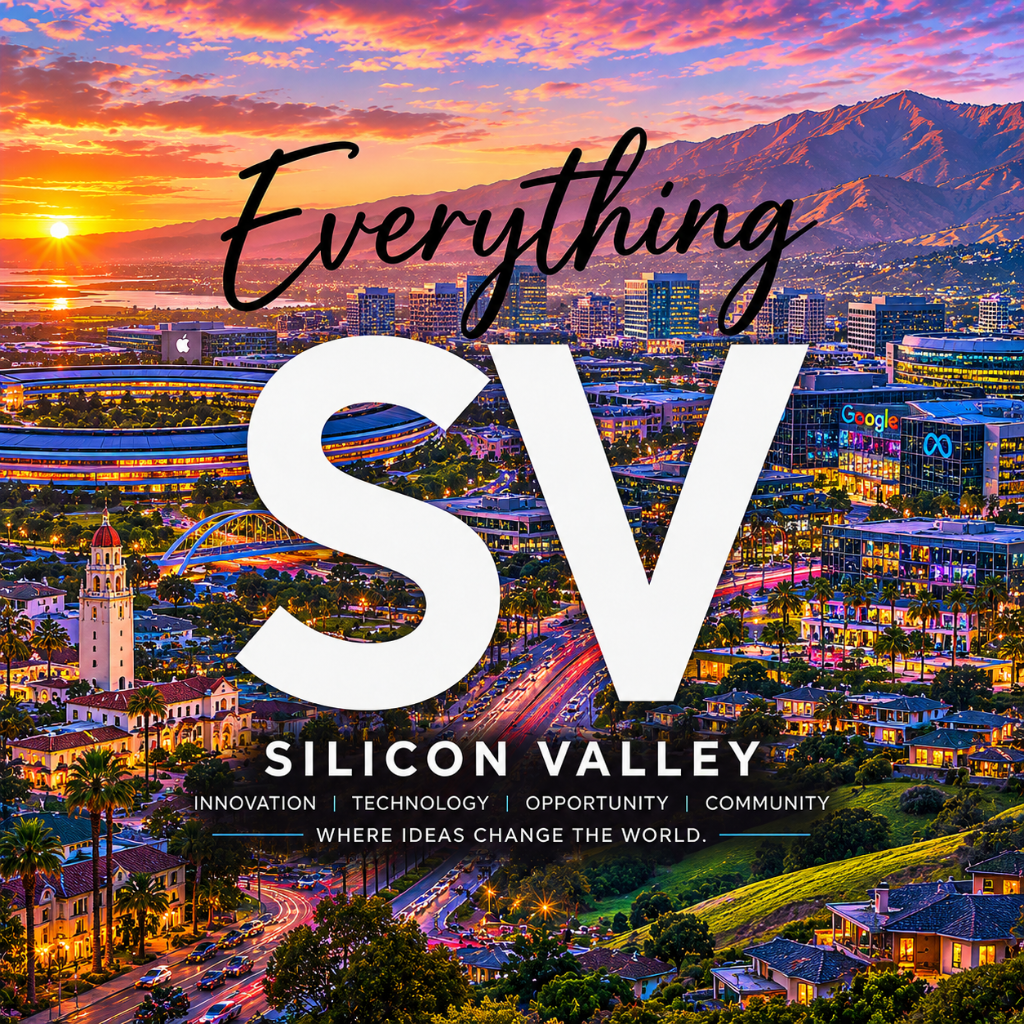


The Story of
Silicon Valley
From the Ohlone homeland and Mission Santa Clara to the orchards of the Valley of Heart's Delight, Shockley and Fairchild, the microprocessor, and the modern innovation era — the layered story of how an orchard valley became the global capital of technology.
A Valley Built in Layers
Silicon Valley's history begins long before the microchip. For thousands of years, the Ohlone people lived along the creeks and oak woodlands of the Santa Clara Valley. In 1777, the Spanish founded Mission Santa Clara de Asís and the nearby Pueblo de San José, planting the roots of the mission and rancho eras. Later, the valley's fertile soil made it the "Valley of Heart's Delight" — and until the 1960s it was the largest fruit production and packing region in the world, anchored by 39 canneries.
That orchard land transformed into something new in the mid-20th century. Stanford's Industrial Park (1951), Shockley Semiconductor Laboratory (1955), and the founding of Fairchild Semiconductor by the "Traitorous Eight" (1957) brought silicon to the valley. In 1971, journalist Don Hoefler coined the name "Silicon Valley" — the same year Intel introduced the 4004 microprocessor. From the PC and software to the internet, venture capital, and artificial intelligence, this is the story of how an orchard valley became the global capital of innovation.
The Santa Clara Valley was once nicknamed the 'Valley of Heart's Delight' — and until the 1960s it was the world's largest fruit production and packing region, anchored by 39 canneries.
Historical Timeline
Trace the valley's journey across five defining eras — from Ohlone land and orchards to silicon and the modern innovation era. Click any event to read the full story.
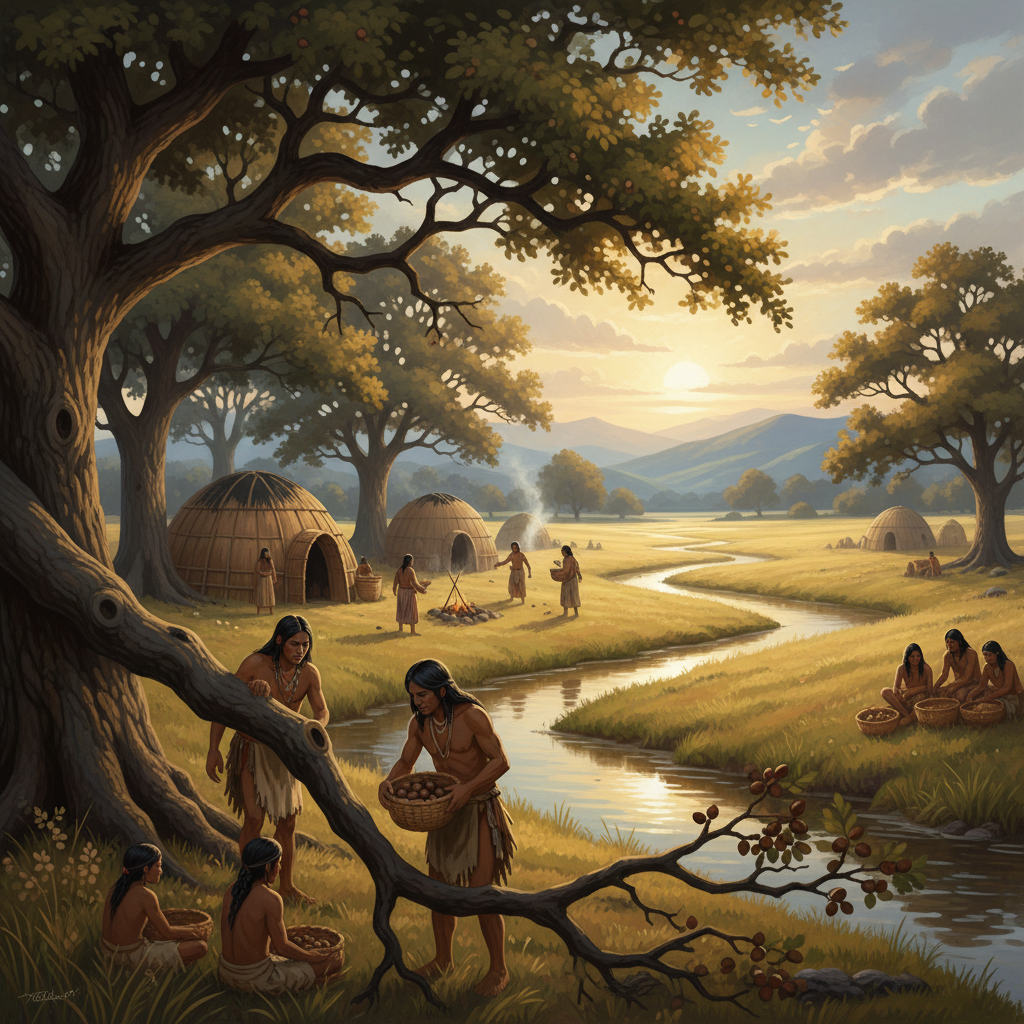
The Ohlone — First People of the Santa Clara Valley
The Tamyen and other Ohlone (Costanoan) peoples lived across the Santa Clara Valley for thousands of years before European arrival.
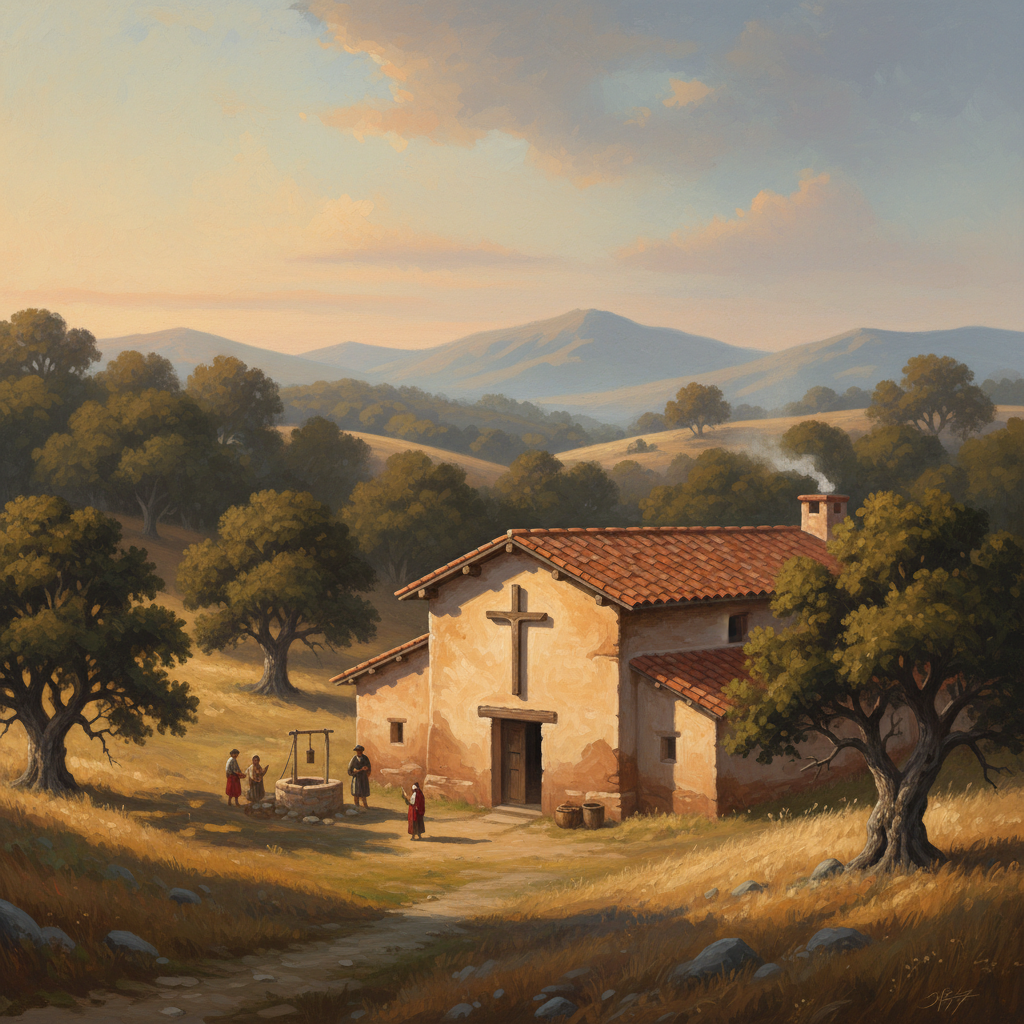
Mission Santa Clara de Asís Is Founded
Spanish missionaries found Mission Santa Clara de Asís — the eighth California mission and the seed of the future cities of Santa Clara and San José.
Mexican Rule & the Rancho Era
After Mexican independence, the missions are secularized and the valley's land is granted as vast cattle ranchos to Californio families.
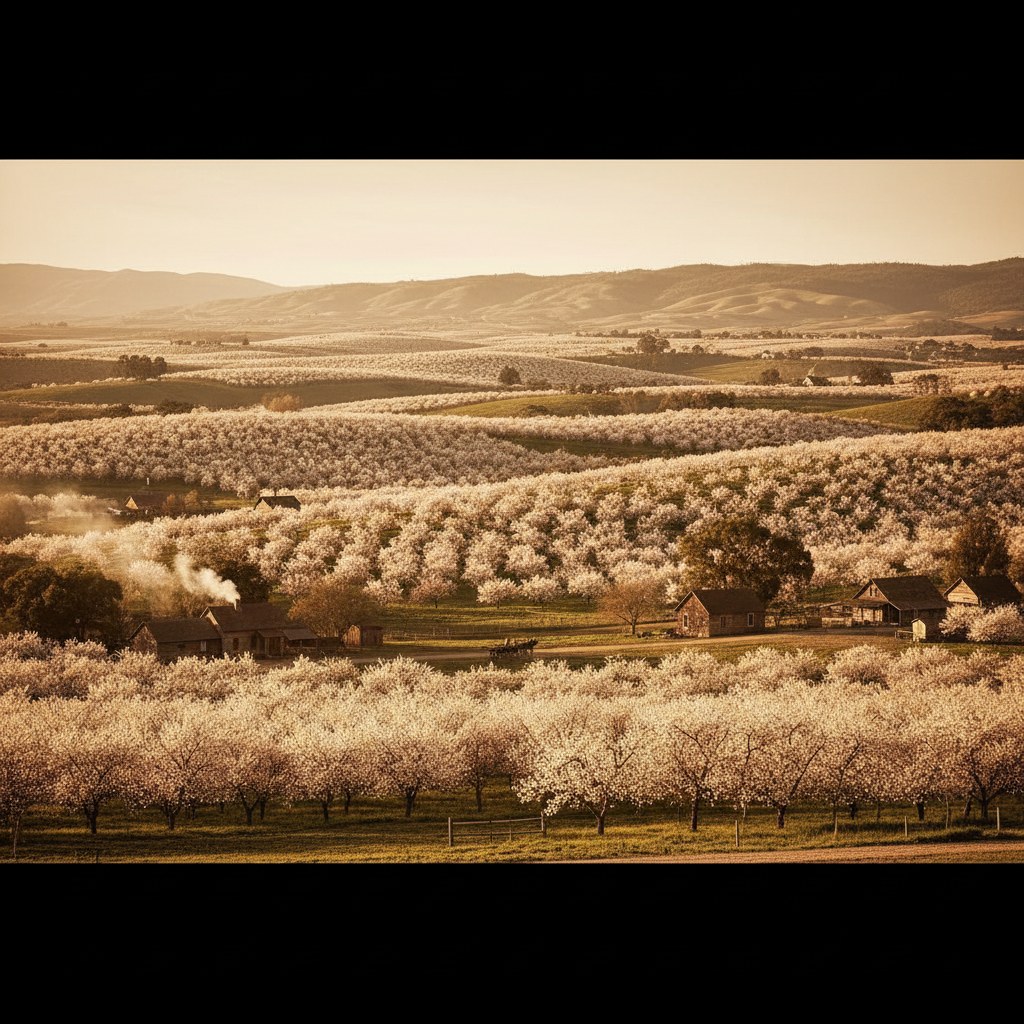
The Valley of Heart's Delight Takes Root
Fertile soil and a mild climate turn the Santa Clara Valley into one of the most productive fruit-growing regions on Earth, nicknamed the 'Valley of Heart's Delight.'
World's Largest Fruit Region — 39 Canneries
Until the 1960s the Santa Clara Valley was the world's largest fruit production and packing region, anchored by 39 canneries.

The HP Garage & the Startup Spirit
In a small Palo Alto garage, Stanford graduates Bill Hewlett and David Packard launch Hewlett-Packard — later called the birthplace of Silicon Valley's startup culture.
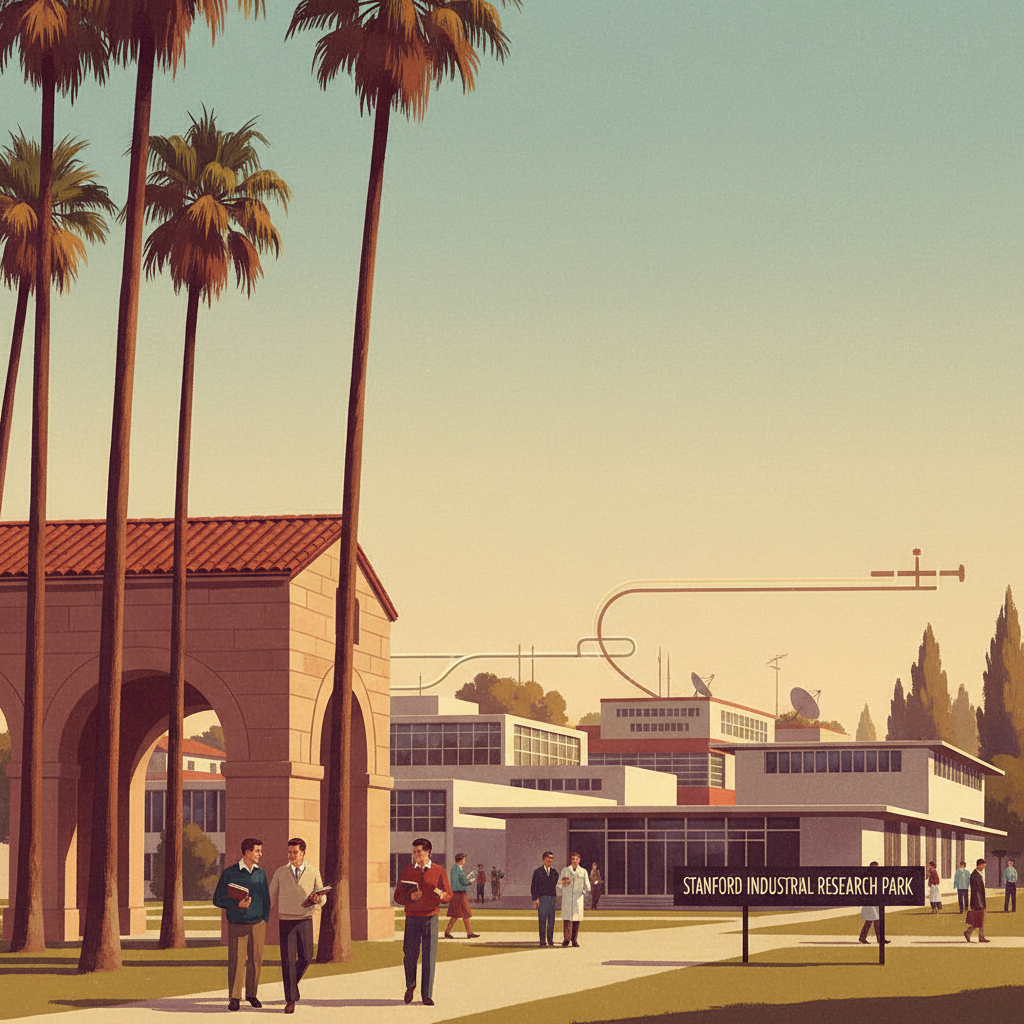
Stanford Industrial Park Opens
Stanford signs its first industrial-park lease in 1951, creating a university-industry pipeline that fueled valley entrepreneurship.
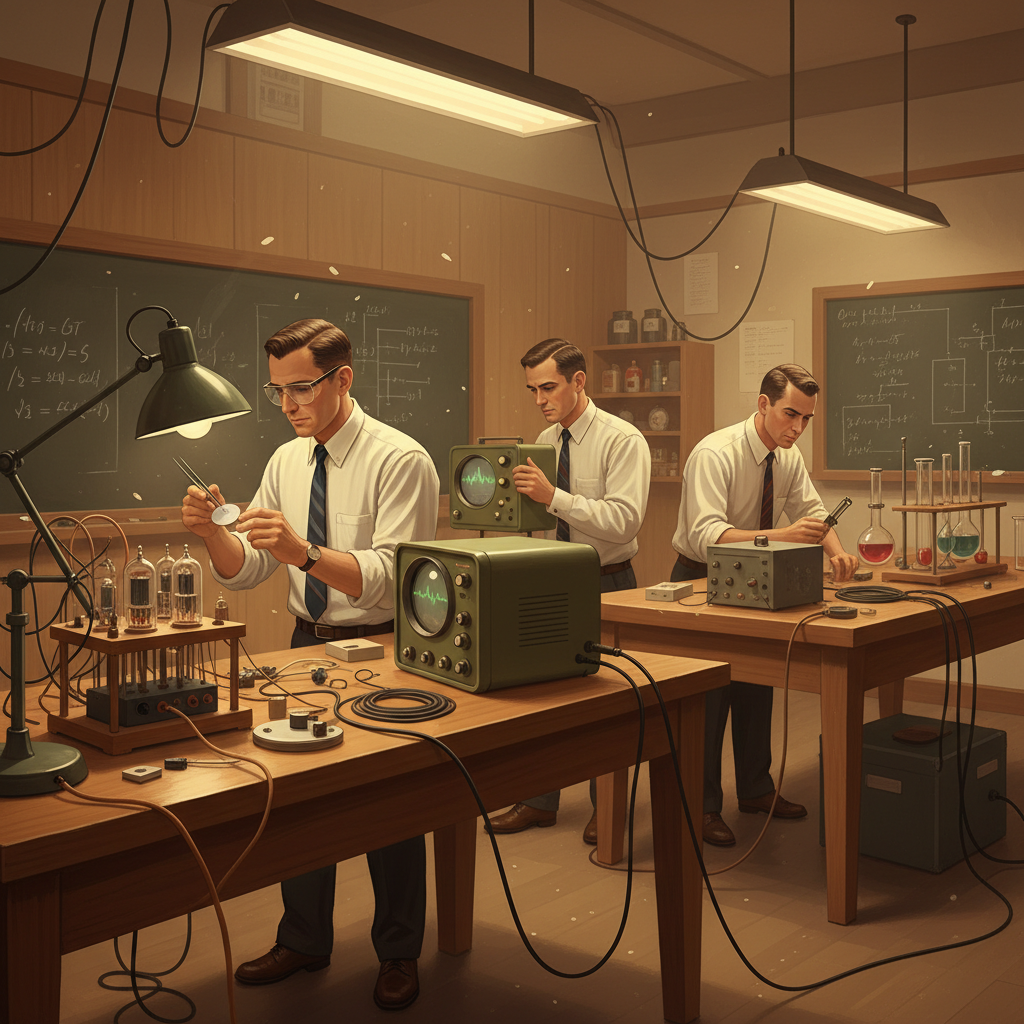
Shockley Semiconductor — Silicon Comes to the Valley
Nobel laureate William Shockley founds Shockley Semiconductor Laboratory in 1955, bringing silicon-device production to the area that became Silicon Valley.
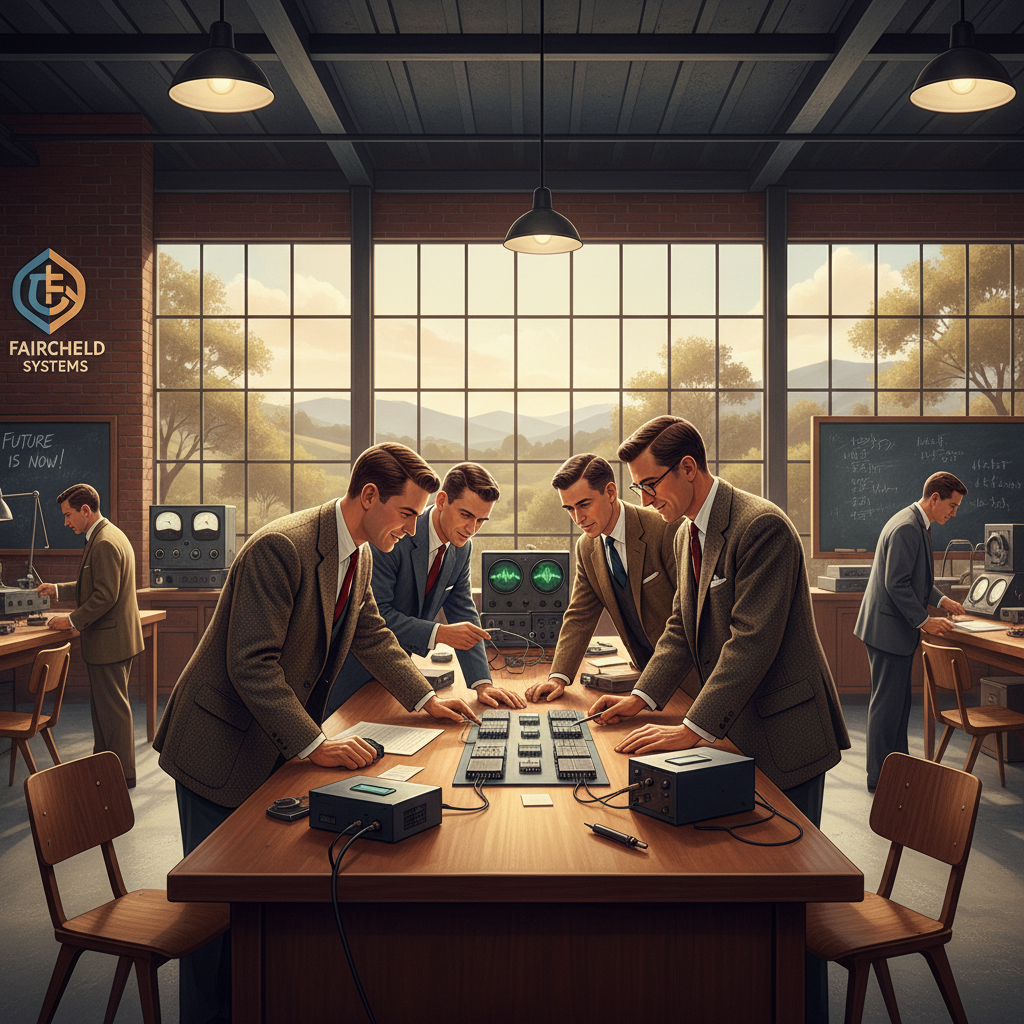
The 'Traitorous Eight' Found Fairchild Semiconductor
Eight scientists leave Shockley to found Fairchild Semiconductor — the company that laid the technological and cultural foundations of Silicon Valley.
Intel & AMD — The Fairchildren Rise
Fairchild alumni spin off the companies that would dominate computing — Intel (1968) and AMD (1969).
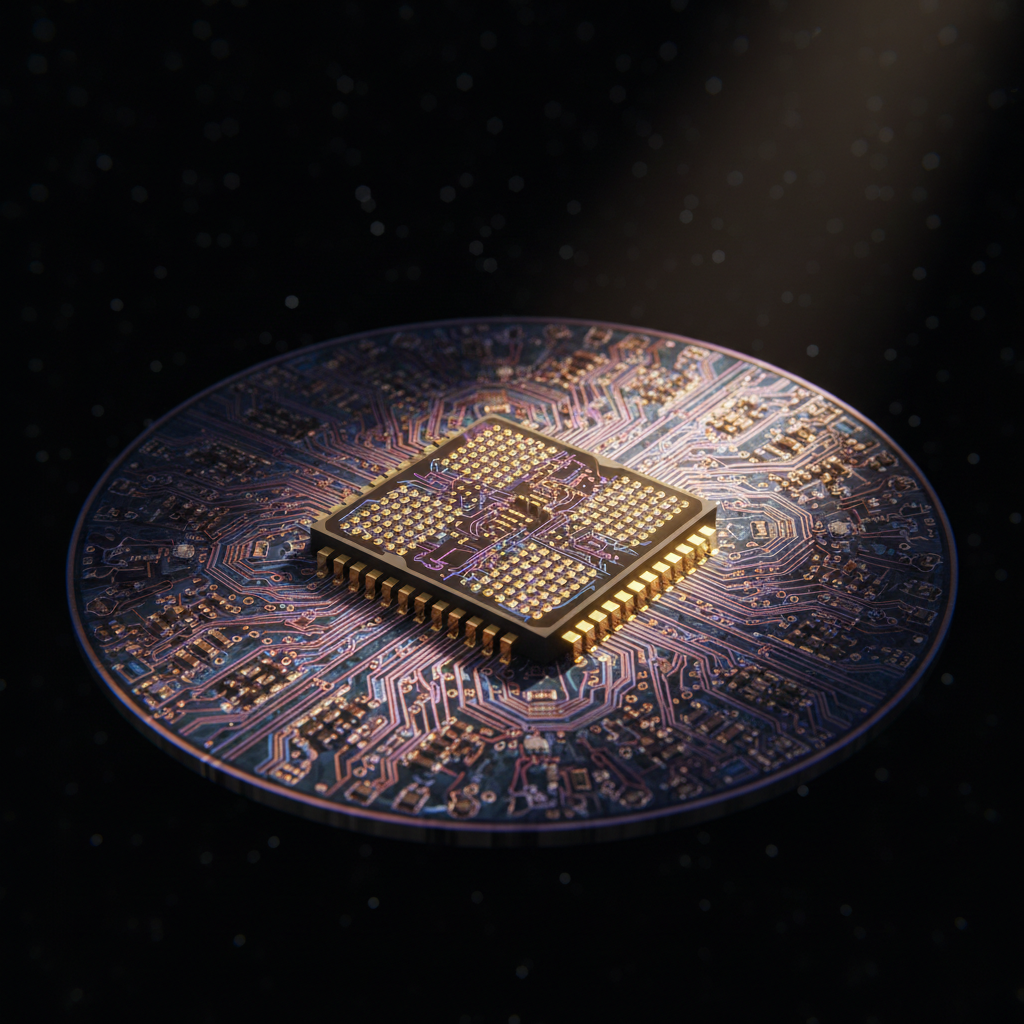
'Silicon Valley' Is Named — and the Microprocessor Arrives
Journalist Don Hoefler coins 'Silicon Valley' in 1971, the same year Intel introduces the 4004 microprocessor.
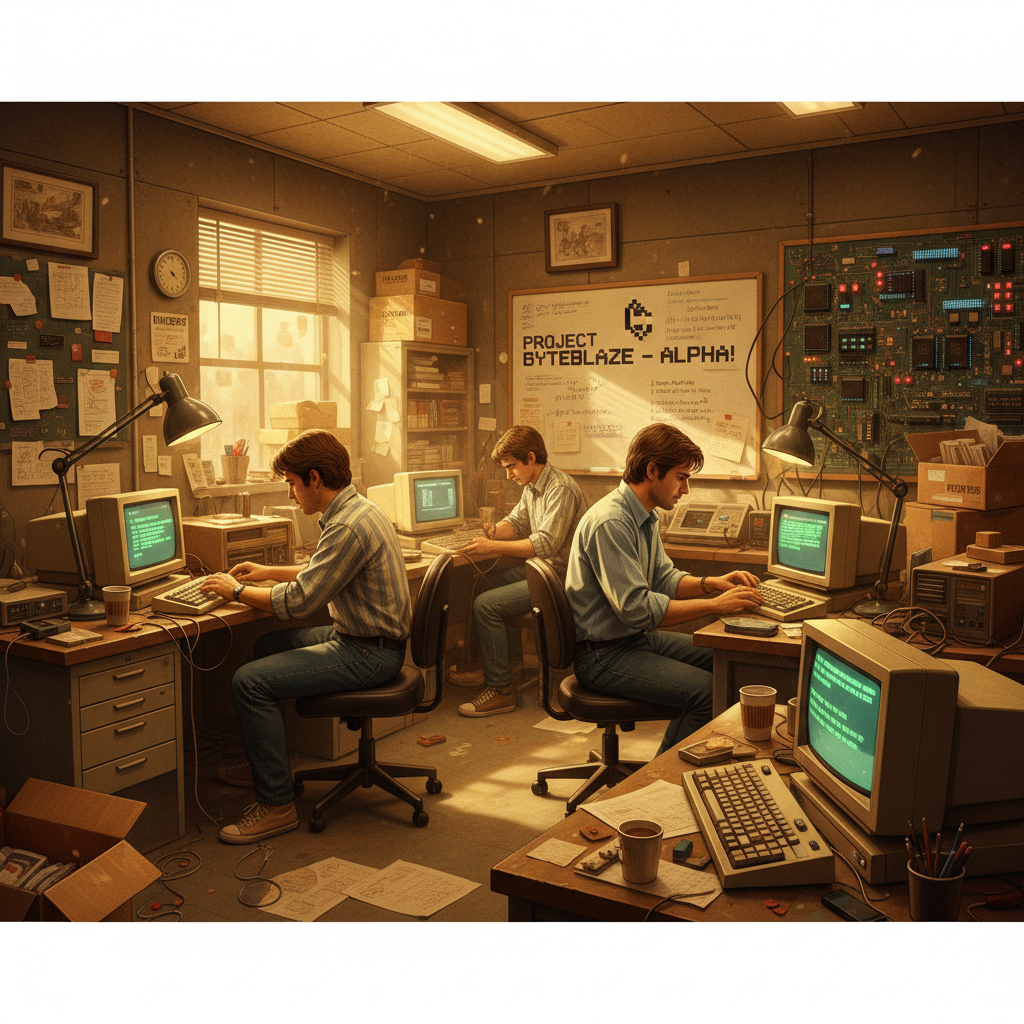
The Personal Computer & Software Era
Apple (1976) and a generation of valley startups put computers on desks — and shift the valley from chips to systems, software, and culture.
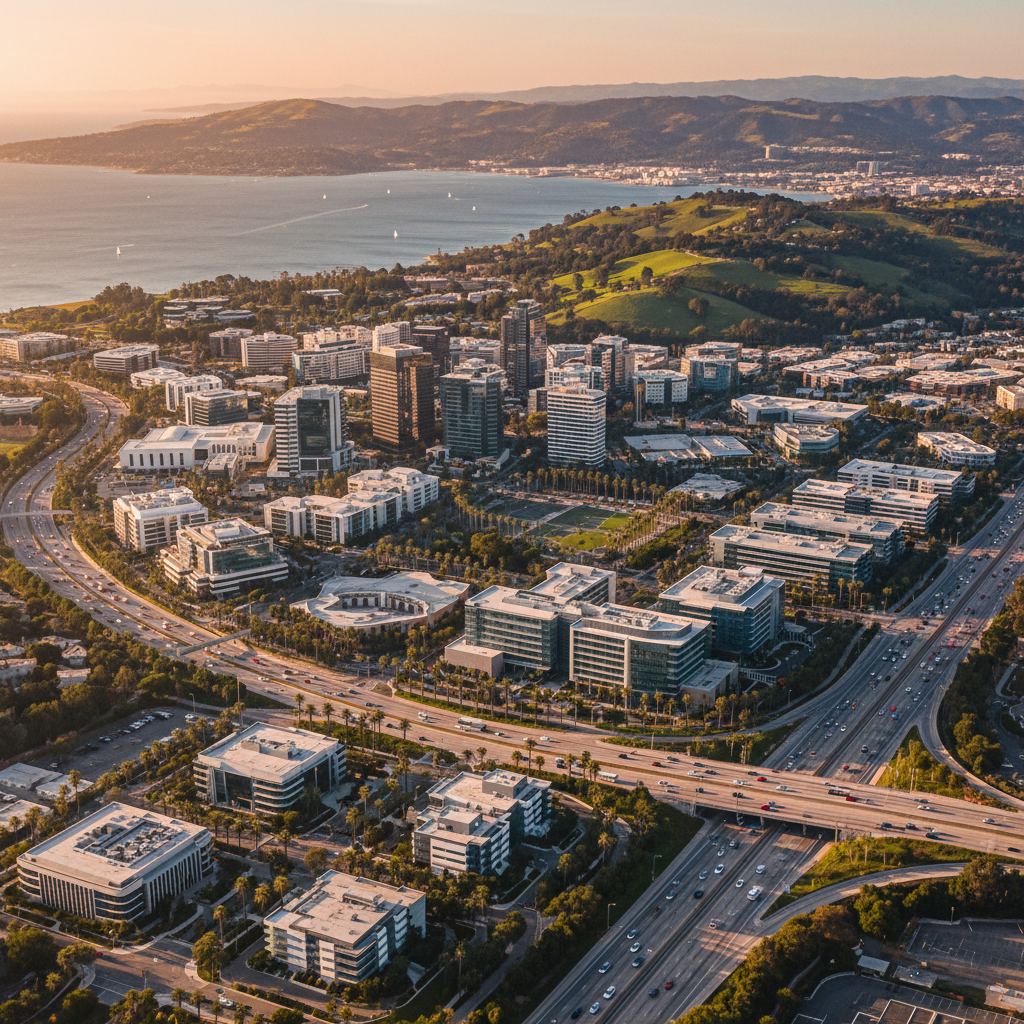
The Internet, Venture Capital & the Modern Ecosystem
From the dot-com boom to the smartphone and AI eras, Silicon Valley becomes the world's defining innovation ecosystem.
Why This History Matters Today
You can read Silicon Valley's history by walking through it. Mission Santa Clara still anchors Santa Clara University. The HP Garage in Palo Alto still stands as a landmark. The Shockley site at 391 San Antonio Road is recognized as the birthplace of the silicon-device industry. The Computer History Museum in Mountain View preserves the artifacts of the entire Information Age. And preserved orchards still recall the valley that existed before the chips.
That layered transformation — from orchards to semiconductors to artificial intelligence — is what makes Silicon Valley singular. Understanding it is what turns a visit into a connection, and a move into a sense of belonging.
Historic Landmarks
Visit the places where Silicon Valley's history was made — from California's eighth mission to the birthplace of the silicon-device industry.
Shockley Semiconductor Site
The former site of Shockley Semiconductor Laboratory, where Nobel laureate William Shockley chose silicon over germanium and assembled the talent that would build the entire industry. Though the company failed, the location is honored as the place where 'silicon' came to the valley.
391 San Antonio Road — recognized as the birthplace of Silicon Valley's silicon-device industry
The HP Garage
The modest one-car garage where Bill Hewlett and David Packard launched Hewlett-Packard in 1939. A California Historic Landmark, it embodies the garage-startup ethos that defines Silicon Valley to this day.
367 Addison Avenue — the symbolic 'Birthplace of Silicon Valley'
Stanford University
Founded in 1885, Stanford and its 1951 Industrial Park created the talent-and-capital pipeline that made Silicon Valley possible. Engineering dean Frederick Terman is often called the 'Father of Silicon Valley' for encouraging graduates to build companies nearby.
The research engine and university-industry pipeline at the heart of the valley's rise
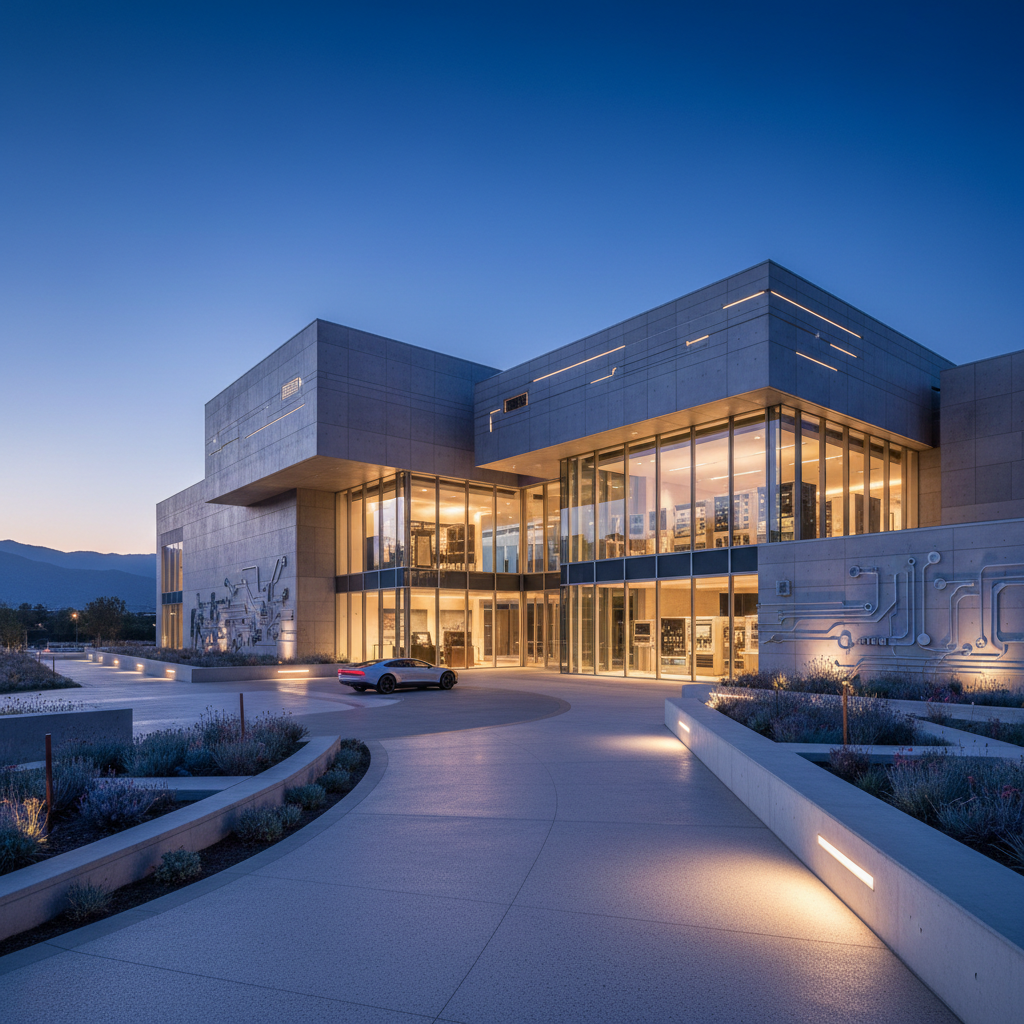
Computer History Museum
Located at 1401 N. Shoreline Blvd in Mountain View, the Computer History Museum preserves and tells the story of computing and Silicon Valley — from early calculating machines to the microprocessor, the PC, the internet, and AI — through one of the world's great technology collections.
Presents the stories and artifacts of Silicon Valley and the Information Age
Mission Santa Clara de Asís
Founded in 1777 and relocated several times over the centuries, Mission Santa Clara now anchors Santa Clara University, California's oldest operating institution of higher learning. It marks the valley's mission-era origins long before its agricultural or tech transformations.
The eighth California mission and the founding seed of the Santa Clara Valley
Fairchild Semiconductor Site
The founding site of Fairchild Semiconductor, where eight Shockley defectors pioneered the commercial integrated circuit and a culture of spin-offs that produced Intel, AMD, and dozens of 'Fairchildren' companies that built the valley.
Where the 'Traitorous Eight' laid the technological and cultural foundations of Silicon Valley
Sand Hill Road
Sand Hill Road became the most concentrated stretch of venture-capital firms in the world — the financial engine behind the personal computer, internet, mobile, and AI booms, and a key reason Silicon Valley sustained its innovation edge for decades.
The venture-capital corridor that fueled the valley's modern era
Valley of Heart's Delight Orchards
Before the fabs and campuses, the valley was a sea of apricot, prune, and cherry orchards — the world's largest fruit production and packing region until the 1960s. Preserved orchards and historic packing houses keep this agricultural heritage alive.
Where the world's largest fruit region — 39 canneries — once blossomed
Apple Park & the Modern Campus
From Apple's 1976 garage beginnings to today's iconic 'spaceship' campus in Cupertino, the valley's modern tech campuses represent the latest chapter of a story that runs from orchard rows to global headquarters.
Symbol of the modern era that grew from a Los Altos garage in 1976
A Culture Built in Layers
Silicon Valley's identity isn't a single story — it's six overlapping ones, from orchard rows to global headquarters. Each is alive in the valley today.
Ohlone Living Heritage
Long before orchards or chips, the Ohlone peoples stewarded the Santa Clara Valley's oak woodlands, creeks, and bay marshes. Their presence is the foundational layer of the valley's human story — and remains part of the region's living heritage today.
Mission & Agricultural Roots
From Mission Santa Clara de Asís (1777) to the rancho era and the orchards that followed, the valley's pre-tech identity stretches from Palo Alto to Gilroy — a Catholic, agrarian, deeply Californian foundation.
Valley of Heart's Delight
For nearly a century the valley was the world's largest fruit region — apricots, prunes, and cherries, 39 canneries, and a spring landscape of blossom. The orchard era is the valley's other origin story, beneath the silicon.
The University-Industry Pipeline
Stanford's research engine and its 1951 Industrial Park created a self-reinforcing loop of talent, capital, and entrepreneurship — the structural reason the valley became, and stayed, a technology capital.
The Garage-Startup Ethos
From the HP Garage in 1939 to Apple's Los Altos garage in 1976, the valley's defining myth is two founders, a garage, and a world-changing idea — a culture of risk, mobility, and reinvention.
Silicon to Global Innovation
From Shockley and Fairchild to Intel, the PC, the internet, and AI, the valley repeatedly reinvents itself — a place where the future of technology is still imagined first.
Notable Figures
The people who built, shaped, and defined Silicon Valley — from Ohlone stewards to the founders of the digital age.
Ohlone Peoples
Original stewards of the valley
Mission Founders
Founded Mission Santa Clara de Asís
Frederick Terman
'Father of Silicon Valley' — Stanford dean
Bill Hewlett & Dave Packard
Founded HP in a Palo Alto garage
William Shockley
Brought silicon devices to the valley
Robert Noyce
Co-founded Fairchild & Intel
Gordon Moore
Co-founded Intel — 'Moore's Law'
The Traitorous Eight
Founded Fairchild Semiconductor
Don Hoefler
Coined the name 'Silicon Valley'
Steve Jobs & Steve Wozniak
Founded Apple in a Los Altos garage
Jerry Sanders
Founded AMD
Andy Grove
Built Intel into a chip giant
Cities with Deep Roots
Silicon Valley is a constellation of cities — many with histories that reach back to the mission era and the orchards that came before the chips.
Palo Alto
1939 – present
Home of the HP Garage and Stanford's gateway — a foundational hub of the valley's startup culture.
Mountain View
1955 – present
Birthplace of the silicon-device industry (Shockley & Fairchild) and home to the Computer History Museum.
Santa Clara
1777 – present
Founded around Mission Santa Clara de Asís; today a tech hub anchored by Santa Clara University and Intel.
San José
1777 – present
California's first civil pueblo and brief first state capital — now the largest city and self-styled 'Capital of Silicon Valley.'
Cupertino
1850s – present
Former orchard town turned global headquarters of Apple and a symbol of the modern valley.
Menlo Park
1970s – present
Home of Sand Hill Road — the venture-capital corridor that financed the valley's modern era.
Sunnyvale
Orchard era – present
Once heart of the fruit valley, now a dense tech center home to landmark electronics and aerospace firms.
Los Altos
1976 – present
Where Apple began in a garage in 1976 — a quiet valley town tied to the personal computer revolution.
Gilroy
Mission era – present
The valley's southern agricultural anchor, preserving the region's deep farming heritage.
Keep Exploring Silicon Valley
From the cities that made the valley to the parks, restaurants, and universities that define it today.