The Story of
Los Angeles
From the Tongva people and the 1781 pueblo to Hollywood, freeways, and a global cultural capital — the layered history of one of the world's most extraordinary cities.
A City Built in Layers
The history of Los Angeles is the story of reinvention. Founded in 1781 as a small agricultural pueblo by 44 settlers of Indigenous, African, and Spanish descent, LA grew from a dusty outpost into one of the most influential cities on Earth.
Understanding the history of Los Angeles means understanding how indigenous roots, colonial beginnings, industrial ambition, cultural creativity, and the relentless drive to build something new all collide in one extraordinary place.
Los Angeles was founded in 1781 by 44 settlers — 26 of whom were of African or mixed African heritage, making LA's founding multiracial from day one.
Historical Timeline
Explore 9,000 years of Los Angeles history across five defining eras. Click any event to read the full story.
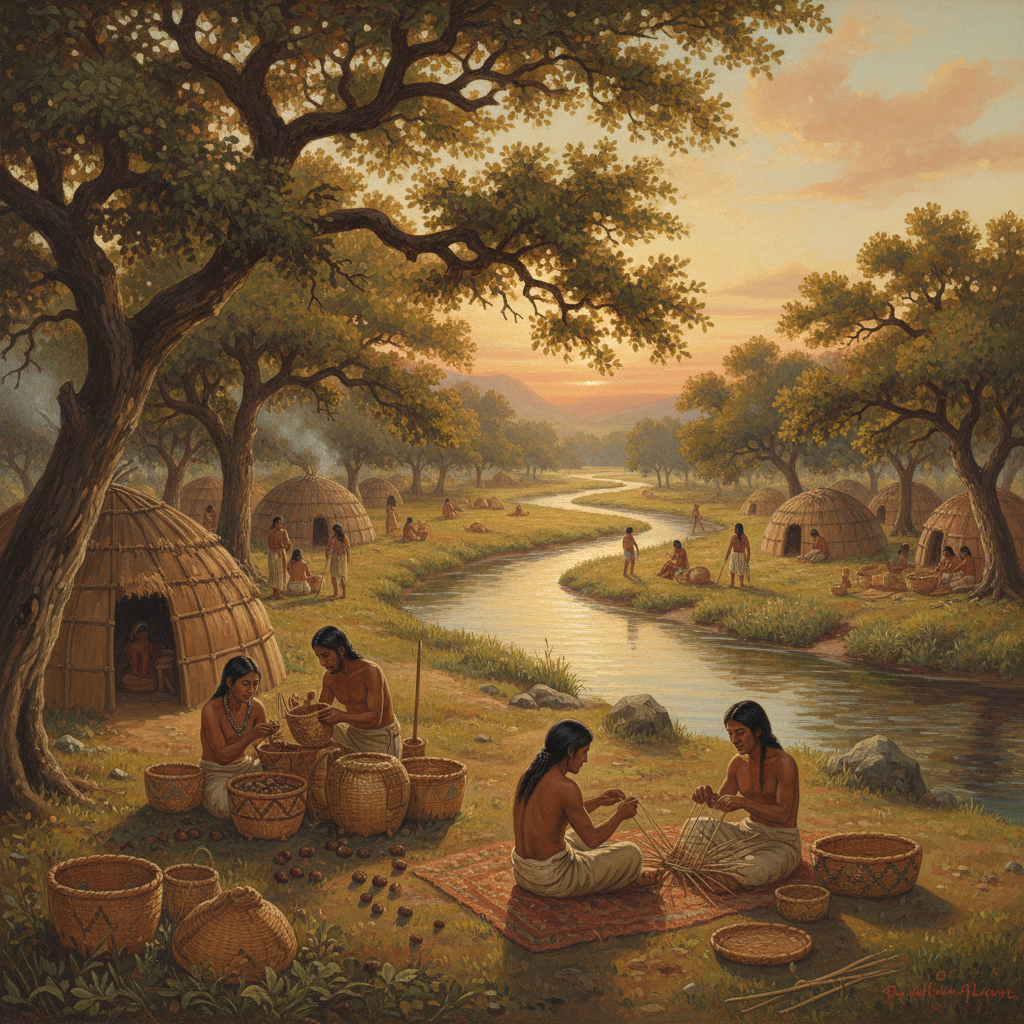
The Tongva People & Yang-Na
The Tongva (Gabrieleño) people establish Yang-Na, a major village near today's downtown LA along the Los Angeles River.
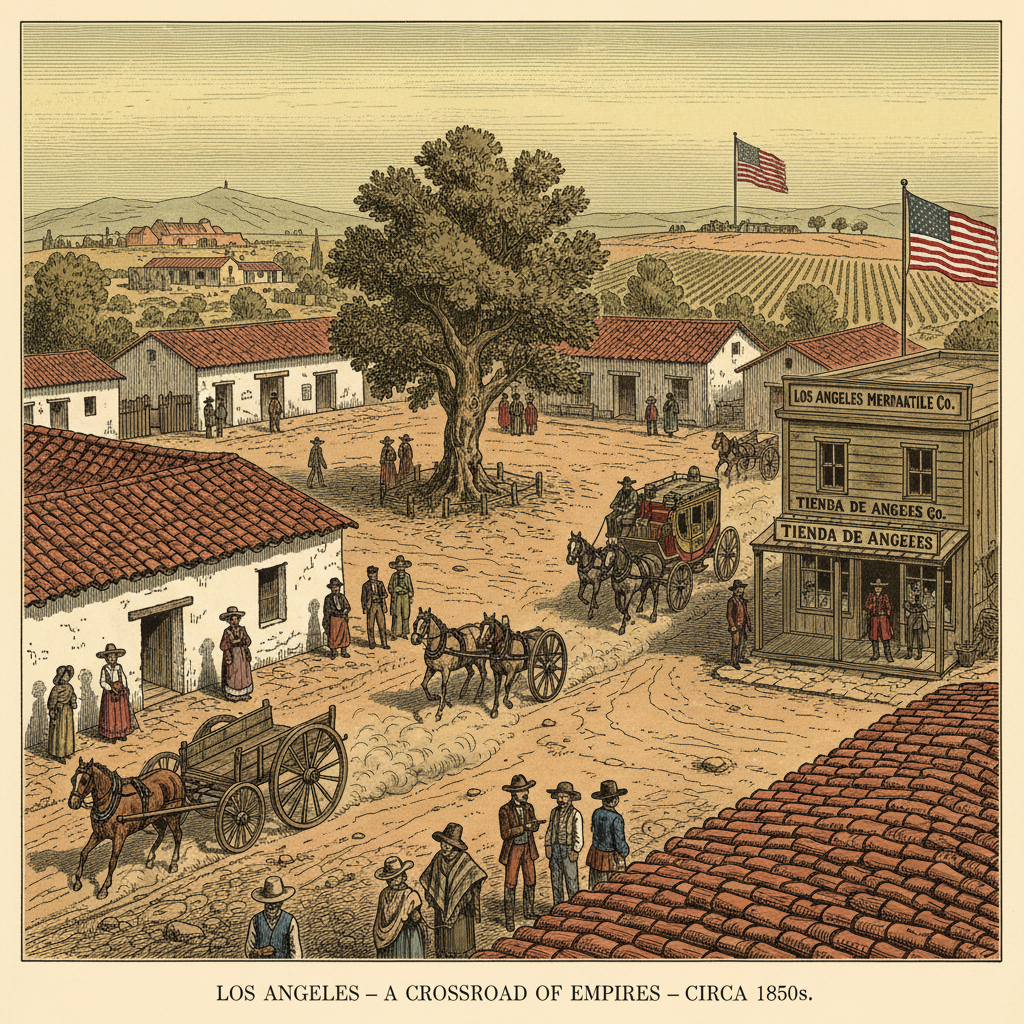
The Portolá Expedition Arrives
Gaspar de Portolá's expedition camps near the Los Angeles River — the first European presence in the basin.
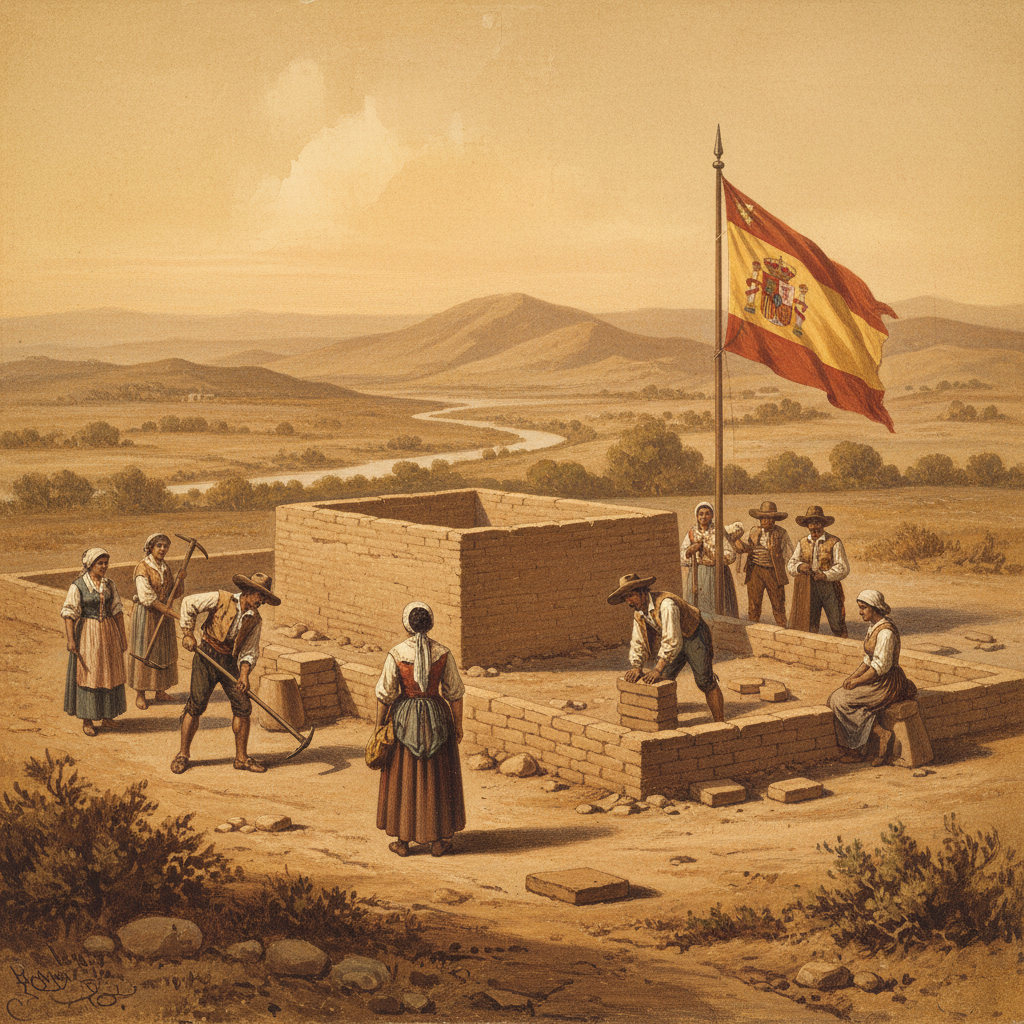
Founding of El Pueblo de Los Ángeles
Governor Felipe de Neve leads 44 settlers to found El Pueblo — the official birth of Los Angeles.
The Mexican Era & the Ranchos
After Mexican independence, vast ranchos reshape the basin. Pío Pico becomes the last Mexican governor of California.
Incorporation — Los Angeles Becomes a U.S. City
Los Angeles is incorporated on April 4, 1850, just months before California joins the Union.
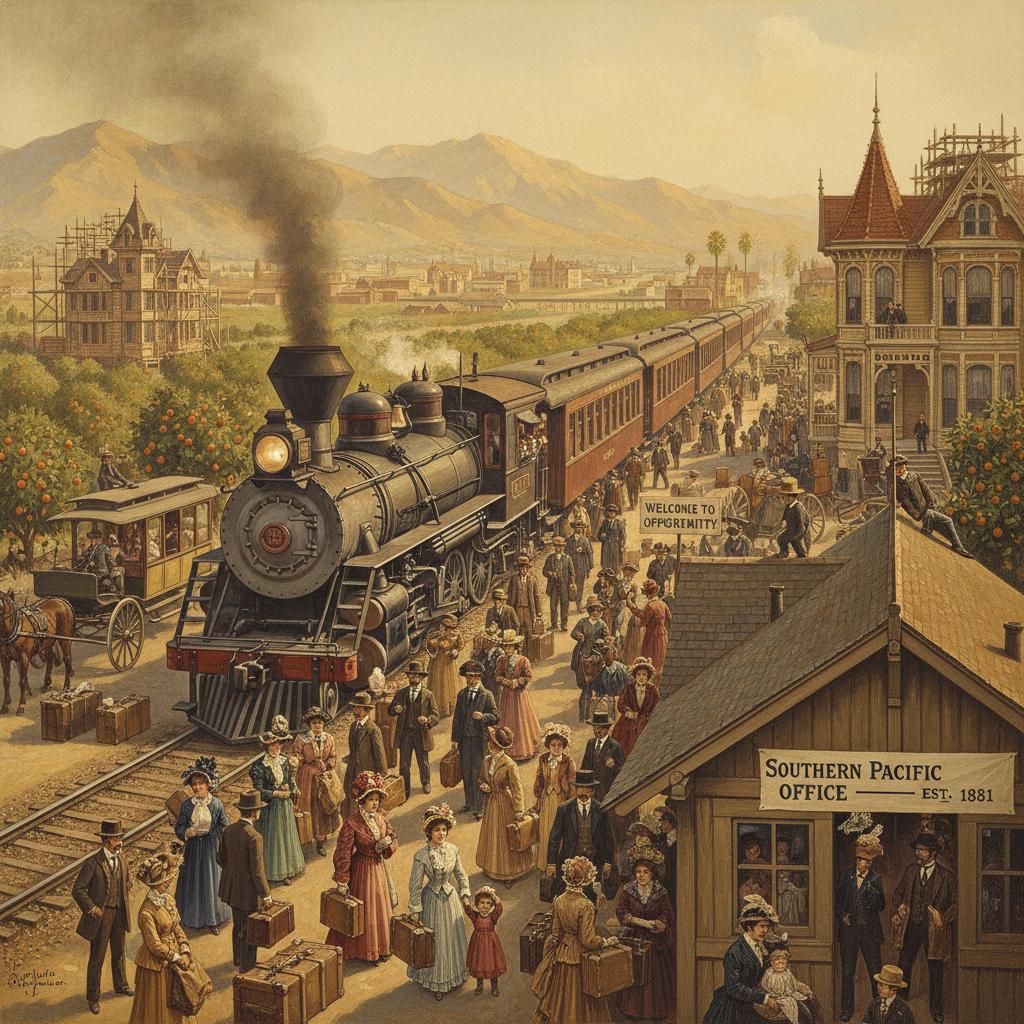
The Railroad Arrives — The Great Land Boom
Southern Pacific and Santa Fe railroads trigger LA's first population explosion and real estate frenzy.
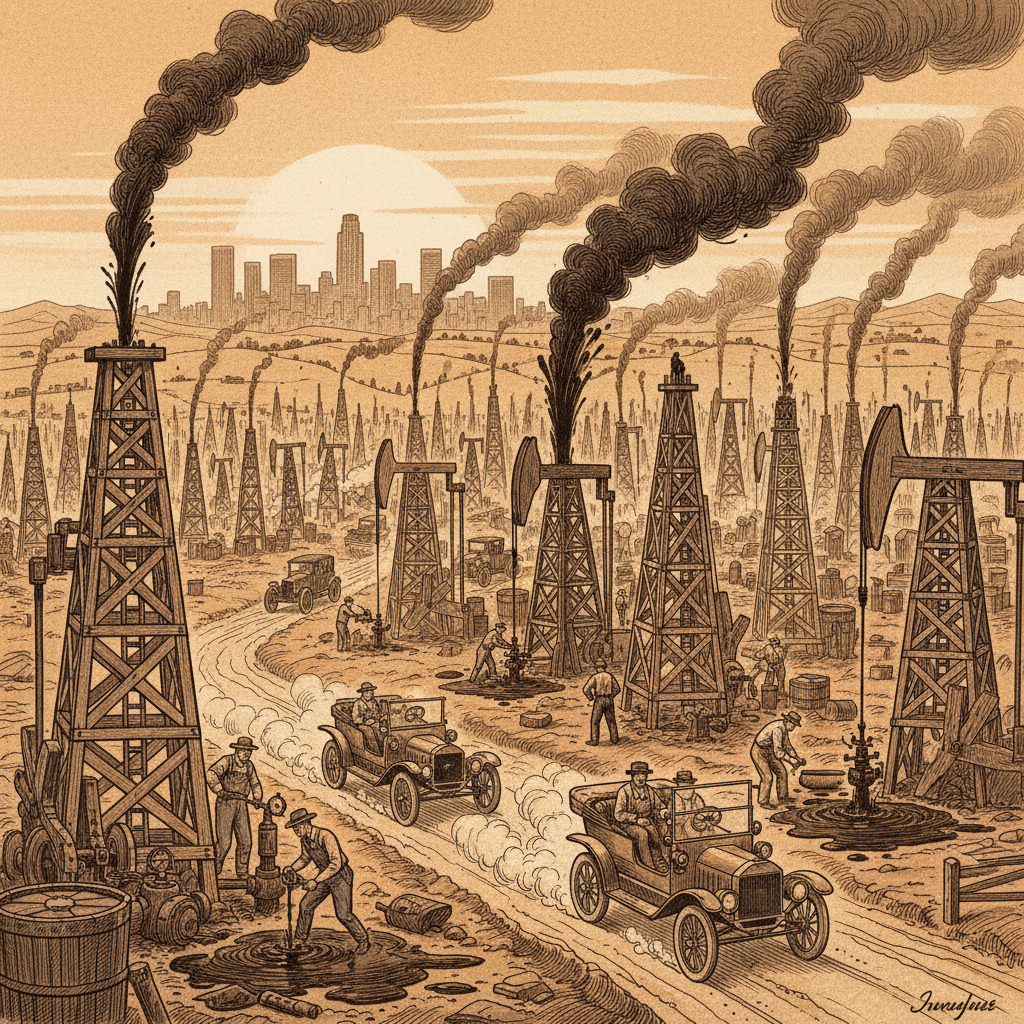
Oil Boom — Black Gold Under the City
Oil discoveries at La Brea, Signal Hill, and across the basin fuel explosive industrial growth.
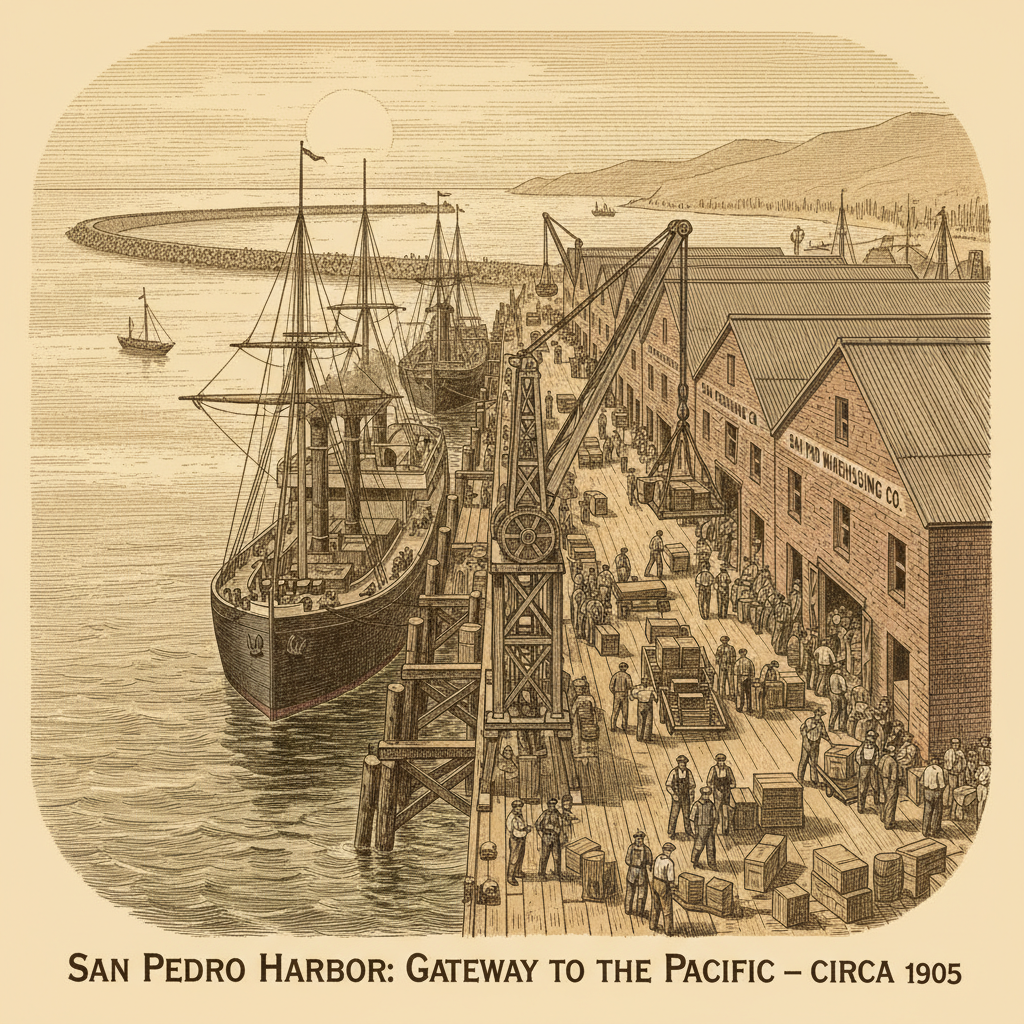
Building the Port of Los Angeles
The 'Free Harbor Fight' gives LA its own port at San Pedro, transforming it into a global trade city.
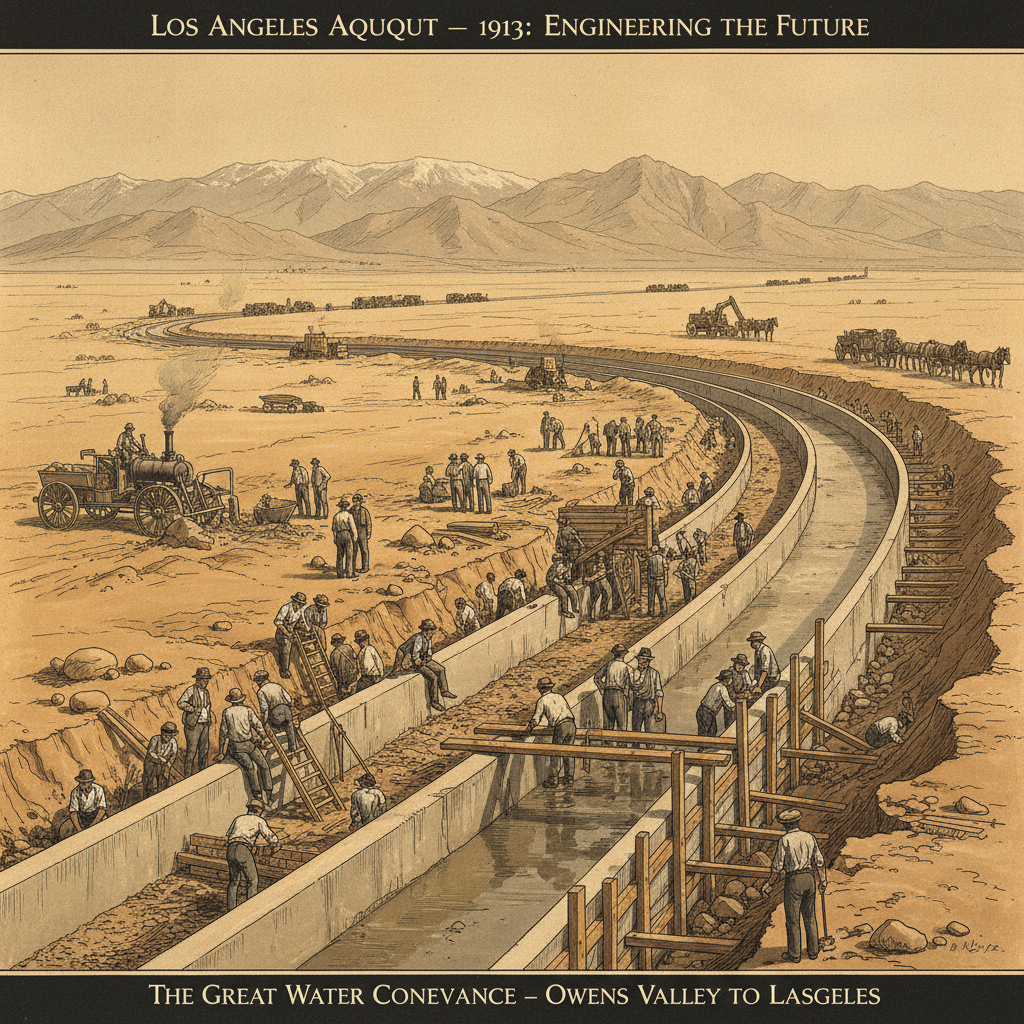
The Los Angeles Aqueduct Opens
William Mulholland's 233-mile aqueduct brings Owens Valley water to LA — enabling the city's explosive expansion.
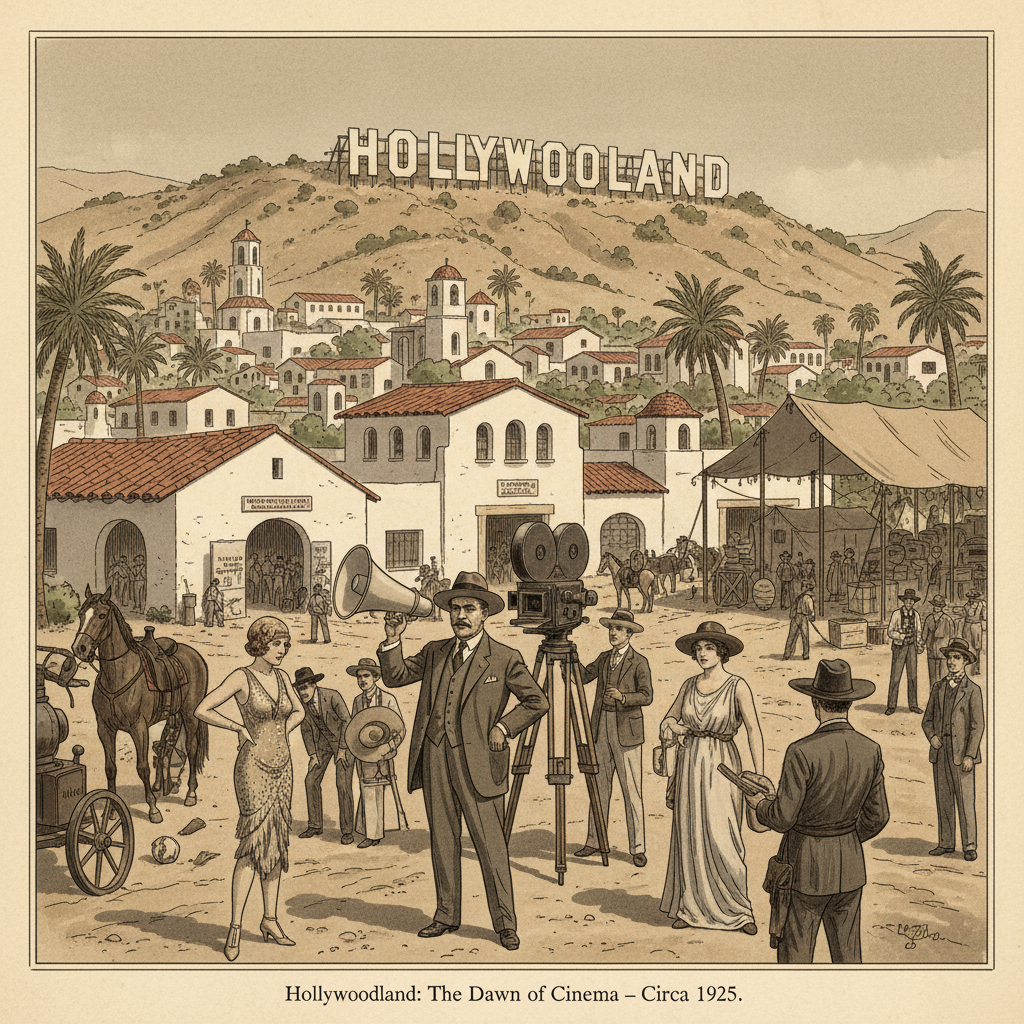
The Birth of Hollywood
Filmmakers flock to Hollywood for sunshine and cheap land — creating the entertainment capital of the world.
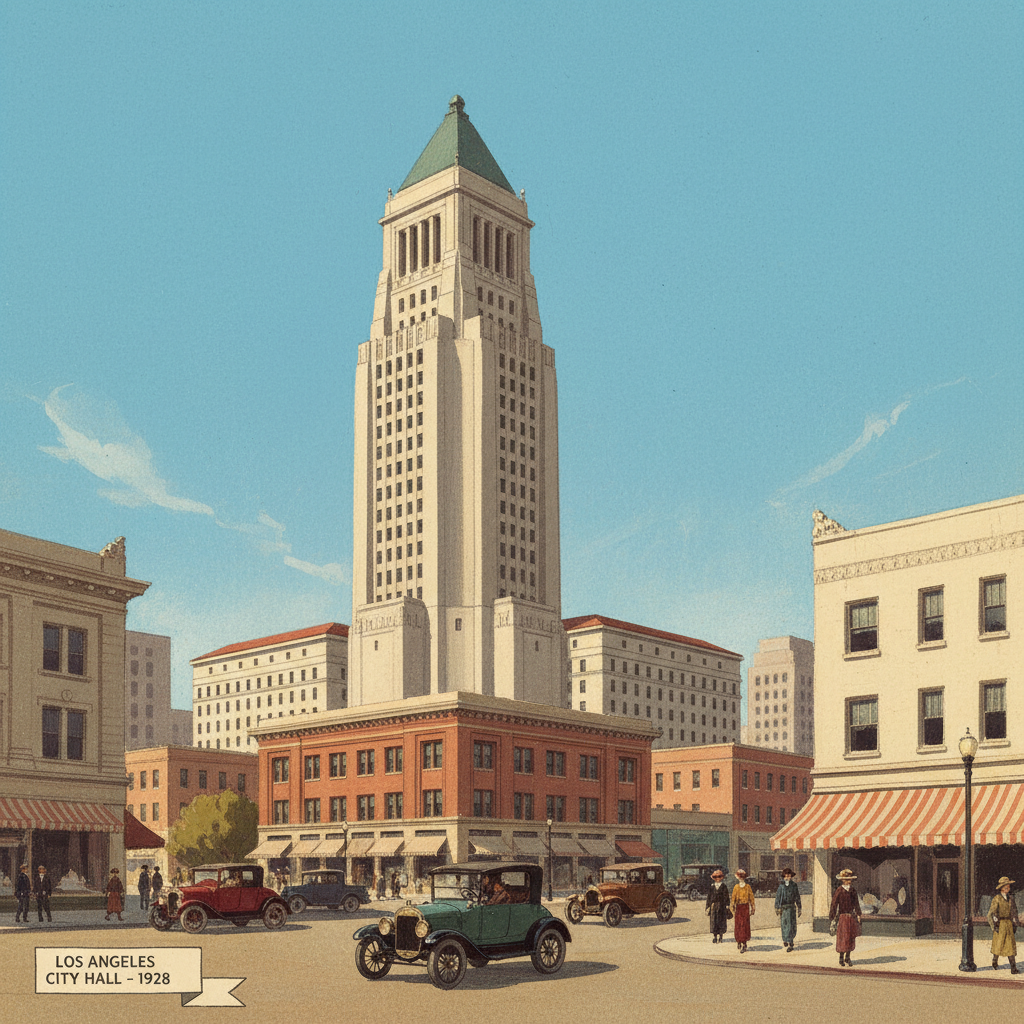
Los Angeles City Hall Opens
The iconic Art Deco tower rises above downtown — LA's tallest building for decades and a symbol of civic ambition.
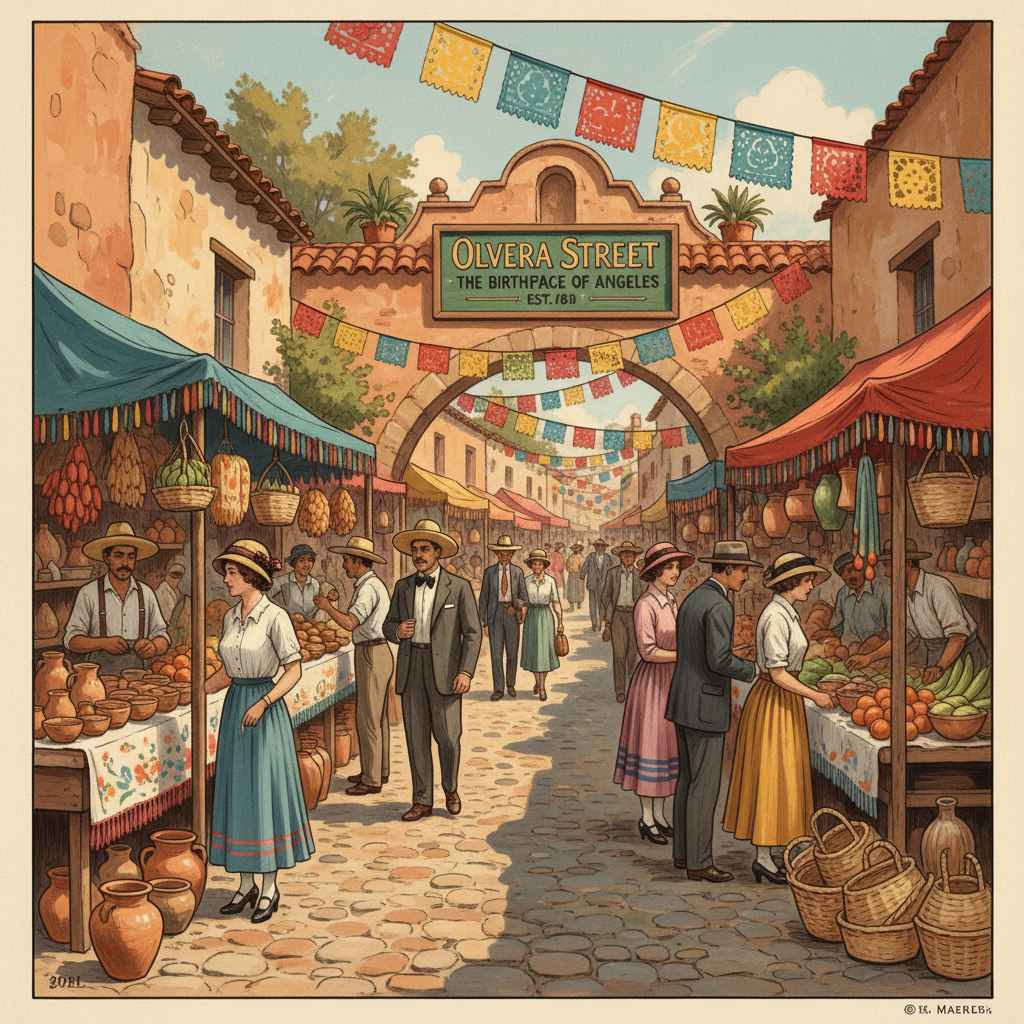
Olvera Street Revival & Union Station
Christine Sterling saves the birthplace of LA, and the 'Last of the Great Railway Stations' opens.
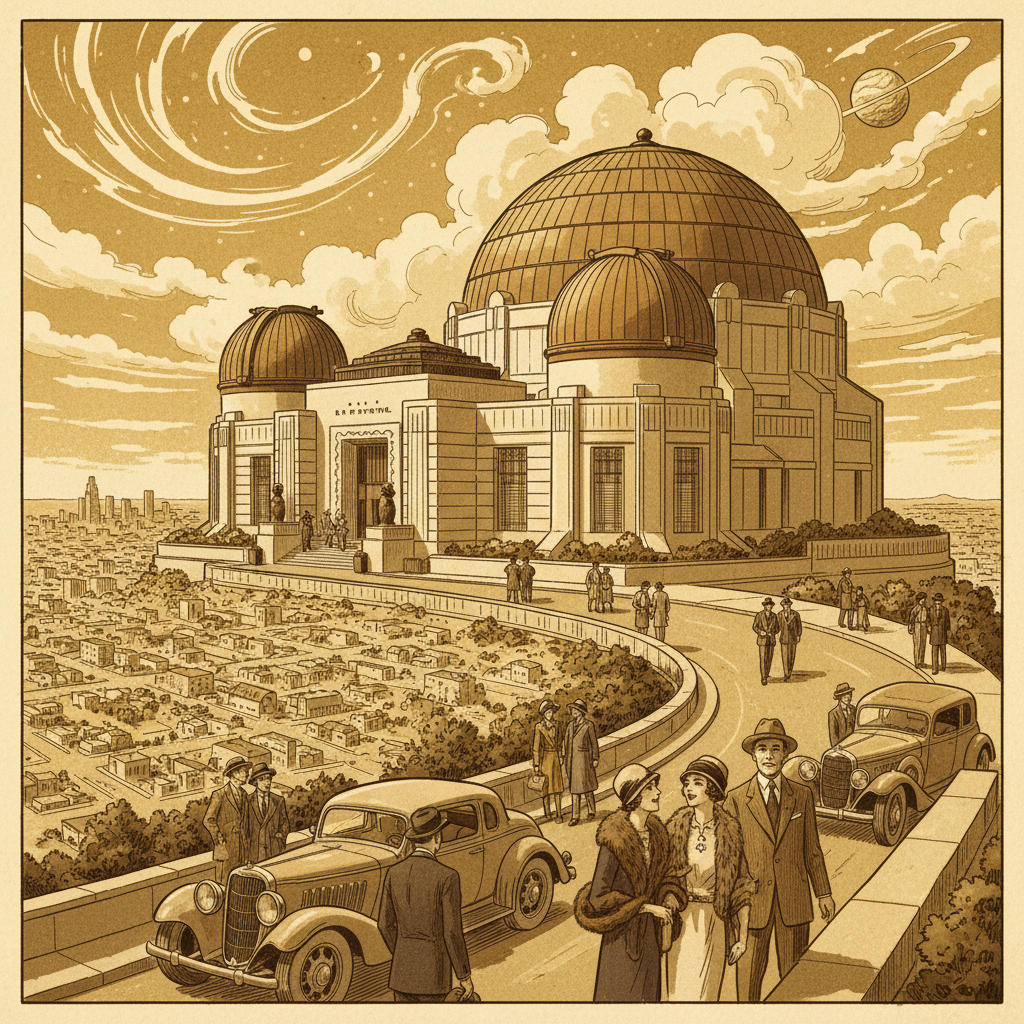
Griffith Observatory Opens
Col. Griffith J. Griffith's gift to the people opens atop Mount Hollywood — free admission forever.
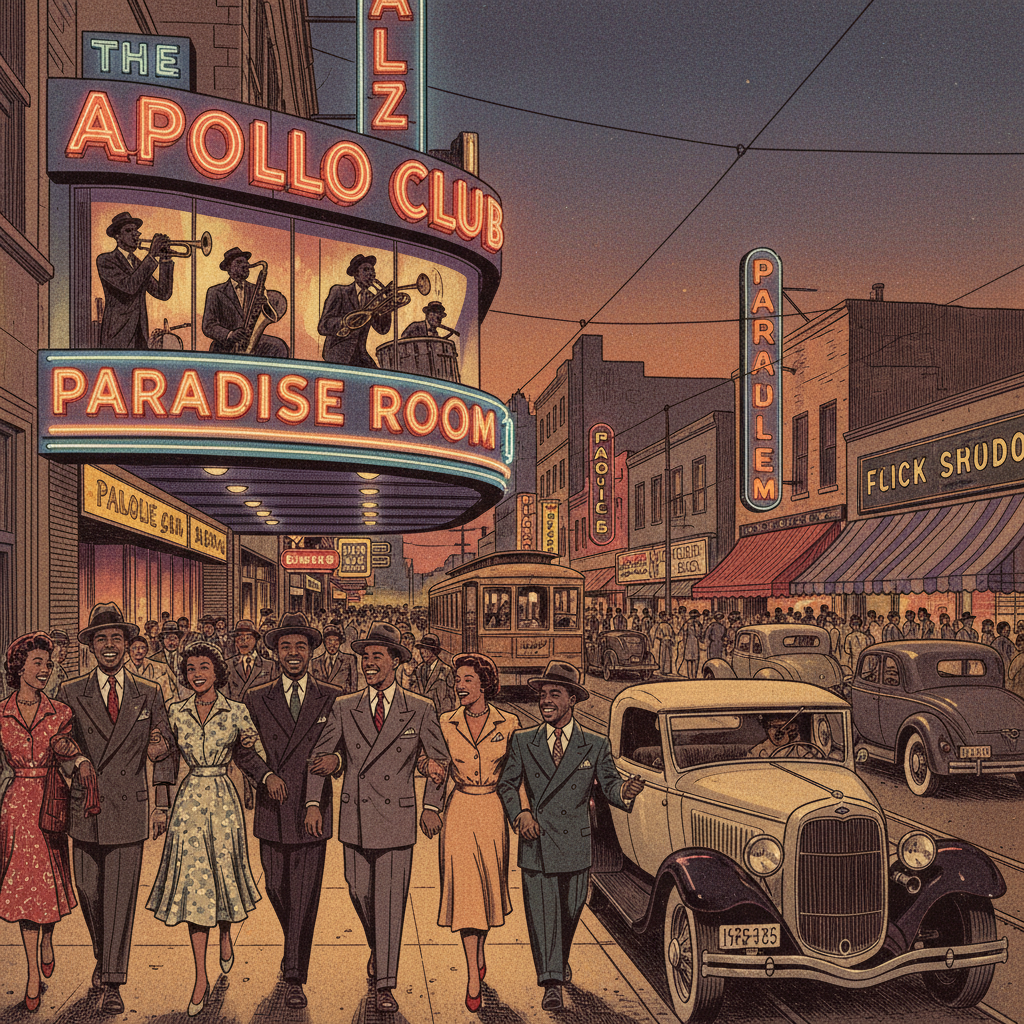
Central Avenue — The Harlem of the West
South LA's Central Avenue becomes the epicenter of West Coast jazz, blues, and African American culture.
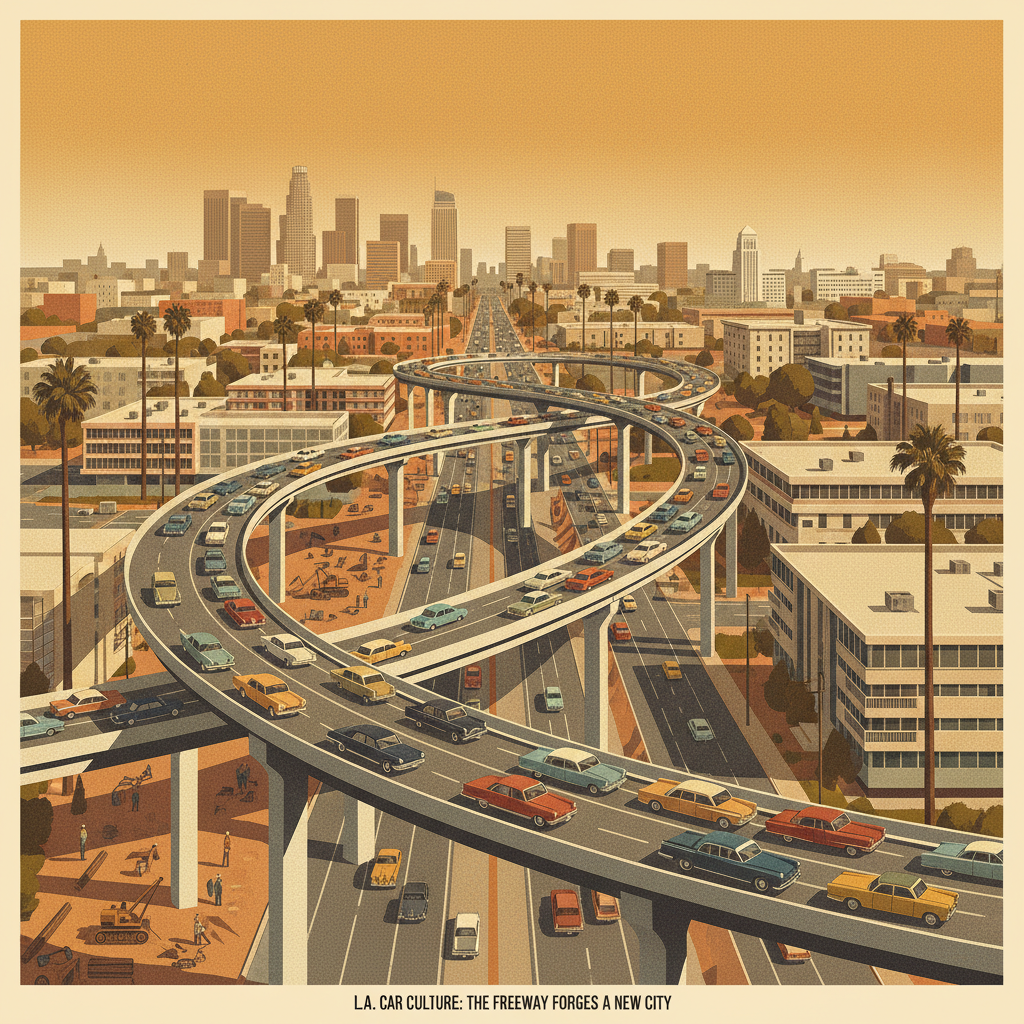
Freeways Transform Los Angeles
A massive freeway system reshapes the city, enabling suburban sprawl but destroying historic neighborhoods.
Dodger Stadium Opens in Chavez Ravine
America's most iconic baseball stadium opens — but only after the controversial displacement of a Mexican American community.
Walt Disney Concert Hall Opens
Frank Gehry's stainless steel masterpiece redefines downtown LA and signals the city's cultural renaissance.
Why LA's History Still Matters
Los Angeles is not a city that forgot its past — it's a city that built on top of it. The rancho land grants still define neighborhood boundaries. The aqueduct still delivers Sierra Nevada water.
Organizations like the Los Angeles Conservancy work to preserve the buildings, neighborhoods, and cultural landmarks that tell this story.
Historic Landmarks
Visit the places where LA's history was made — many are free and open to the public today.
Olvera Street & El Pueblo
Where LA began. The original plaza from 1781 is surrounded by the city's oldest buildings, including the Avila Adobe (1818) — the oldest standing residence in Los Angeles. Christine Sterling revived Olvera Street as a cultural marketplace in 1930.
The birthplace of Los Angeles — the oldest part of the city, preserved as a historic Mexican marketplace
Griffith Observatory
An Art Deco icon perched above the city with panoramic views. More people have looked through a telescope here than at any other observatory on Earth. Free admission, as Griffith J. Griffith intended.
The most visited public observatory in the world — free since 1935
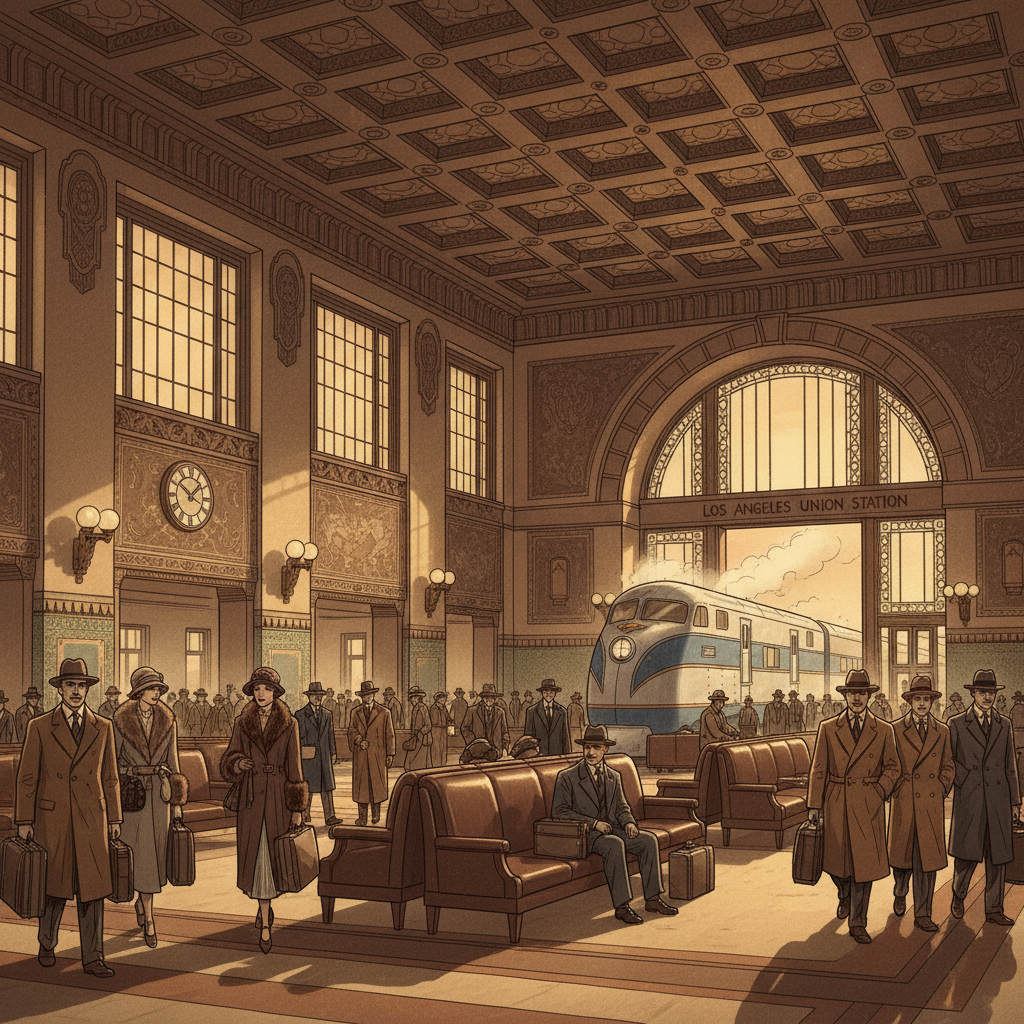
Union Station
Designed by the Parkinson father-and-son team, Union Station blends Spanish Mission, Art Deco, and Streamline Moderne architecture. Its leather waiting-room chairs, hand-painted tiles, and courtyard gardens make it one of America's most beautiful transit hubs.
The 'Last of the Great Railway Stations' — a masterpiece of Mission Revival and Art Deco design
Los Angeles City Hall
The 454-foot Art Deco tower was the skyline of Los Angeles from 1928 to 1964. Its observation deck offers free public views. The building was one of the first historic structures in the world to be seismically base-isolated.
LA's tallest building for 36 years and the visual symbol of the city for generations
Griffith Park
Home to the Observatory, the Greek Theatre, the LA Zoo, hiking trails, and the iconic Hollywood Sign. Originally part of Rancho Los Feliz, this massive park was gifted to the city of Los Angeles in 1896.
One of the largest urban parks in the U.S. — 4,310 acres donated by Griffith J. Griffith
Walt Disney Concert Hall
The swooping stainless steel building houses the LA Philharmonic and transformed the Grand Avenue cultural corridor. Its acoustics are legendary. A roof garden with a rose-shaped fountain honors Lillian Disney.
Frank Gehry's architectural icon — one of the finest concert halls ever built
Notable Figures
The people who built, shaped, and defended Los Angeles.
Toypurina
Tongva Medicine Woman & Revolutionary
Felipe de Neve
Spanish Governor, Founded LA
Pío Pico
Last Mexican Governor of California
William Mulholland
Aqueduct Engineer
Christine Sterling
Saved Olvera Street
Griffith J. Griffith
Donated Griffith Park
Biddy Mason
Freed Slave, Philanthropist
Cecil B. DeMille
Pioneer Hollywood Director
John Parkinson
Architect of City Hall & Union Station
Tom Bradley
First Black Mayor of LA
Neighborhoods with Deep Roots
Los Angeles is a city of neighborhoods — many with histories stretching back over a century. Explore their stories.
Hollywood
Annexed 1910
From agricultural community to the global capital of entertainment.
Boyle Heights
1870s–present
One of LA's most historic immigrant communities — Jewish, Japanese, and Mexican American heritage.
Venice
Founded 1905
Abbot Kinney's 'Venice of America' — canals, boardwalk, and bohemian culture.
Downtown LA
1781–present
From the original pueblo to a 21st-century urban renaissance.
Koreatown
1960s–present
The cultural heart of Korean America and one of LA's densest, most vibrant neighborhoods.
Echo Park
1890s–present
Named for echoes across the lake — one of LA's oldest residential neighborhoods.
Silver Lake
1900s–present
Named for a water commissioner, not a lake — cradle of indie culture and modernist architecture.
San Pedro
1800s–present
The harbor community that gave Los Angeles its connection to the Pacific.
Highland Park
1880s–present
One of LA's oldest neighborhoods — home to the Southwest Museum and deep cultural roots.
Explore More of LA
Dive deeper into the neighborhoods, parks, schools, and cultural landmarks that make Los Angeles extraordinary.
Explore Everything LA
Events & Culture
Real Estate & Stays
Schools & Family
Everything LA is your verified guide to the City of Los Angeles. Neighborhoods, events, parks, schools, restaurants, and homes — all sourced from official city departments and curated for people who live here. Part of the Everything California network.
Explore More of California
The Everything Network — 16 California Regions