
The Story of
Monterey County
From the Esselen, Rumsen, and Salinan homelands and the Carmel Mission to California's adobe capital, Colton Hall, the Salinas Valley farms, and Cannery Row — the layered history of the place where California's government began.
A County Built in Layers
Monterey County's history stretches back more than a thousand years to the Esselen, Rumsen Ohlone, and Salinan peoples, who lived — and still live — across the Monterey Bay, Carmel Valley, and Salinas Valley. In 1602, Sebastián Vizcaíno named the bay "Monterey," and in 1770, Gaspar de Portolá and Father Junípero Serra founded the presidio and mission, making Monterey the capital of Spanish California.
From the adobe capital of Mexican Alta California, to Colton Hall where California's first Constitution was written in 1849, to the Salinas Valley — the 'Salad Bowl of the World' — and the Cannery Row sardine era immortalized by John Steinbeck, to Big Sur, Pebble Beach, and the modern Monterey Bay Aquarium — Monterey County has continuously rebuilt itself while keeping every previous layer visible. This is the story of how California's government was born beside Monterey Bay.
Monterey was the capital of California under three flags — Spanish, Mexican, and U.S. military rule — before statehood.
Historical Timeline
Explore over 1,000 years of Monterey County history across six defining eras. Click any event to read the full story.
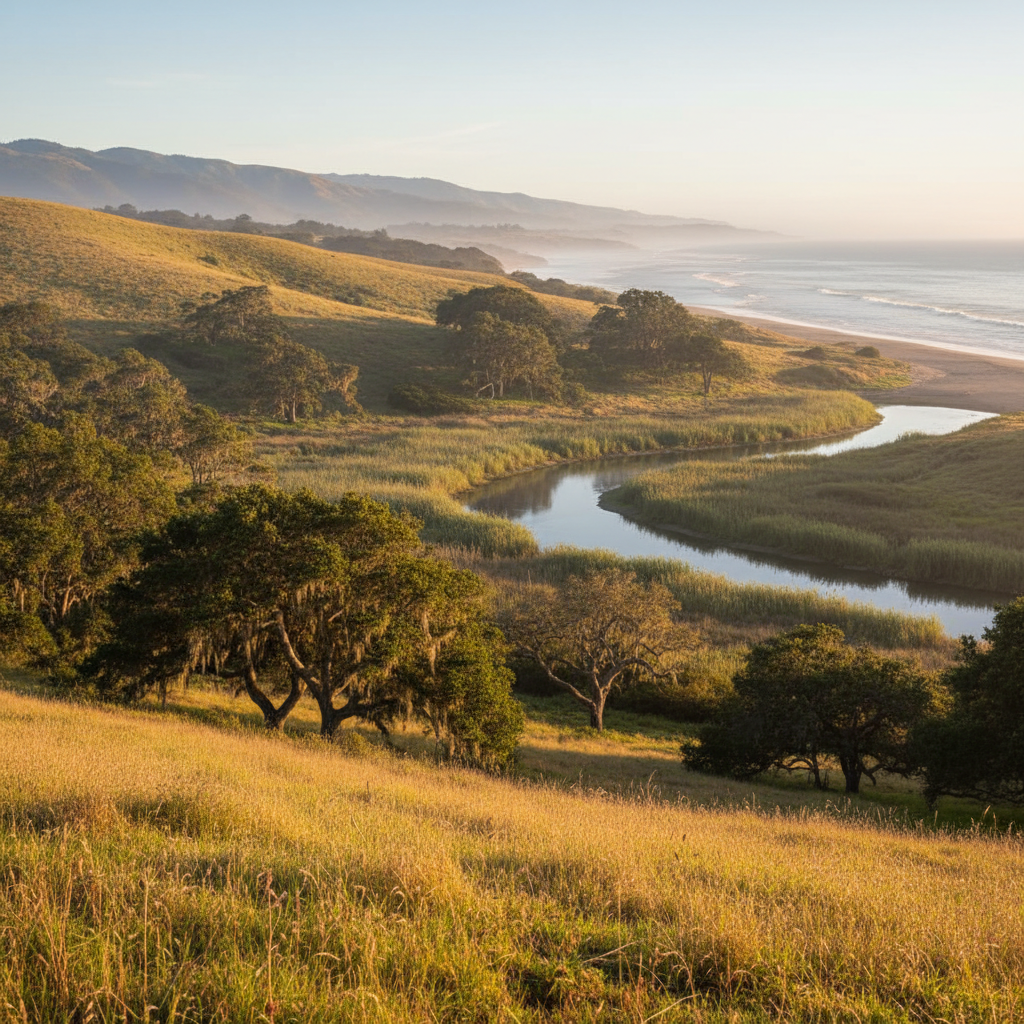
The Esselen, Rumsen Ohlone & Salinan — First Peoples of Monterey Bay
The Esselen, Rumsen Ohlone, and Salinan peoples have lived across the Monterey Bay region, the Carmel and Salinas valleys, and the Big Sur coast for well over a thousand years.
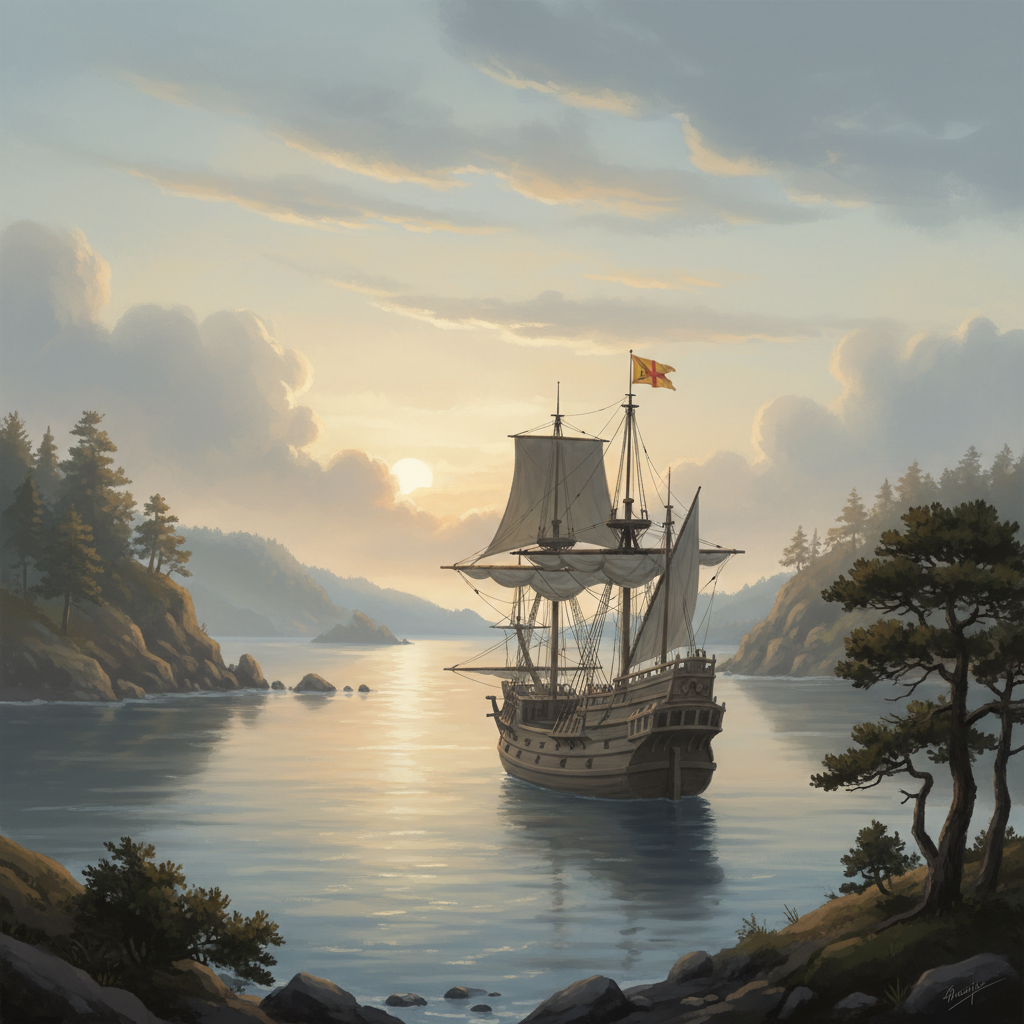
Sebastián Vizcaíno Names Monterey Bay
Spanish explorer Sebastián Vizcaíno sails into the bay and names it 'Monterey' in honor of the Viceroy of New Spain — a name that would define the region.
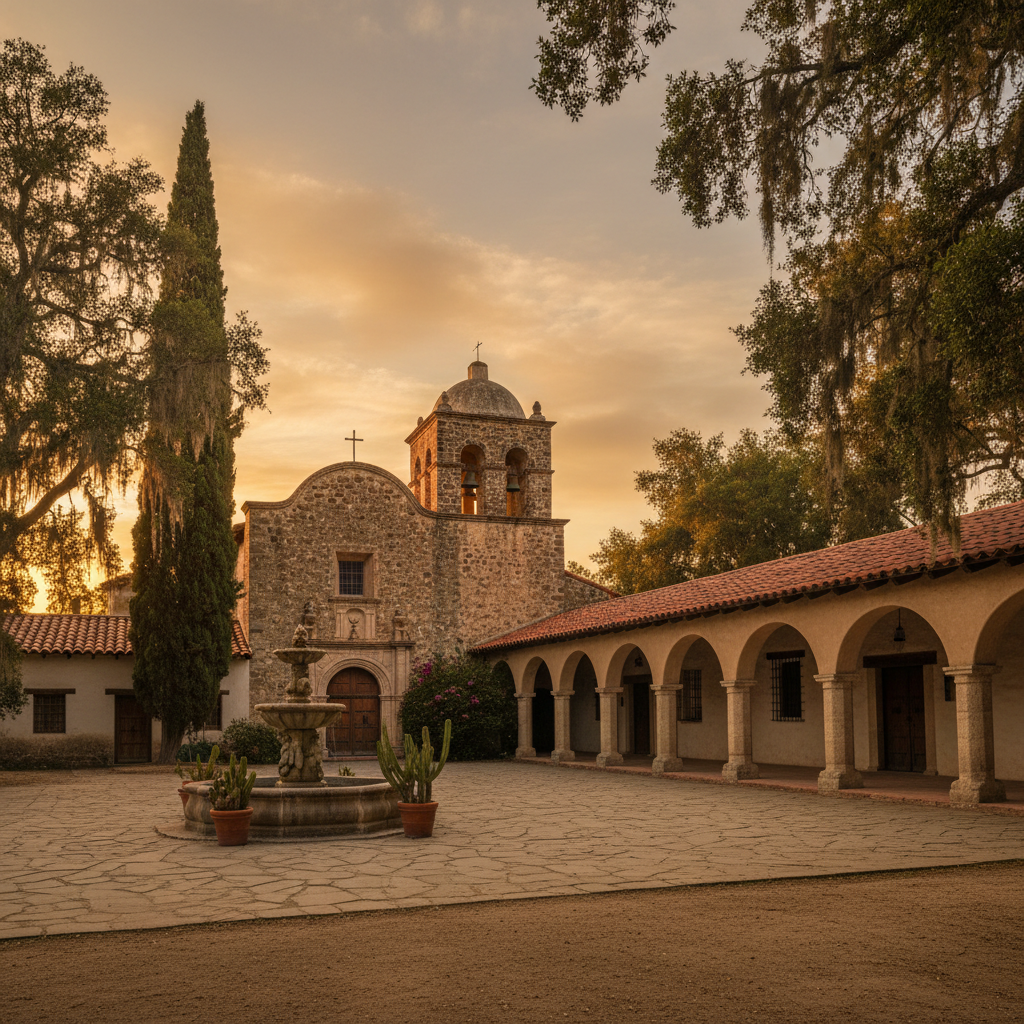
The Presidio & Mission of Monterey Founded
Gaspar de Portolá and Father Junípero Serra establish the Presidio of Monterey and Mission San Carlos Borromeo — making Monterey the capital of Spanish California.
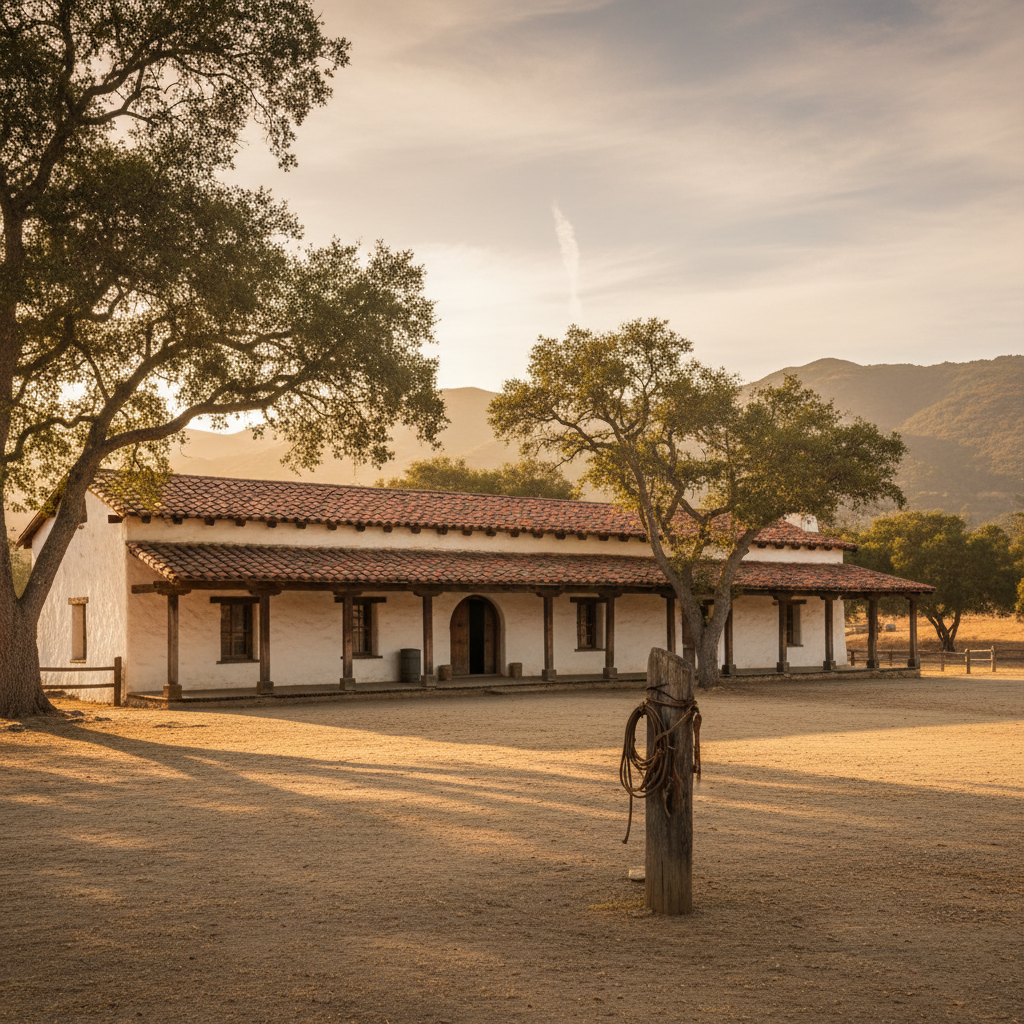
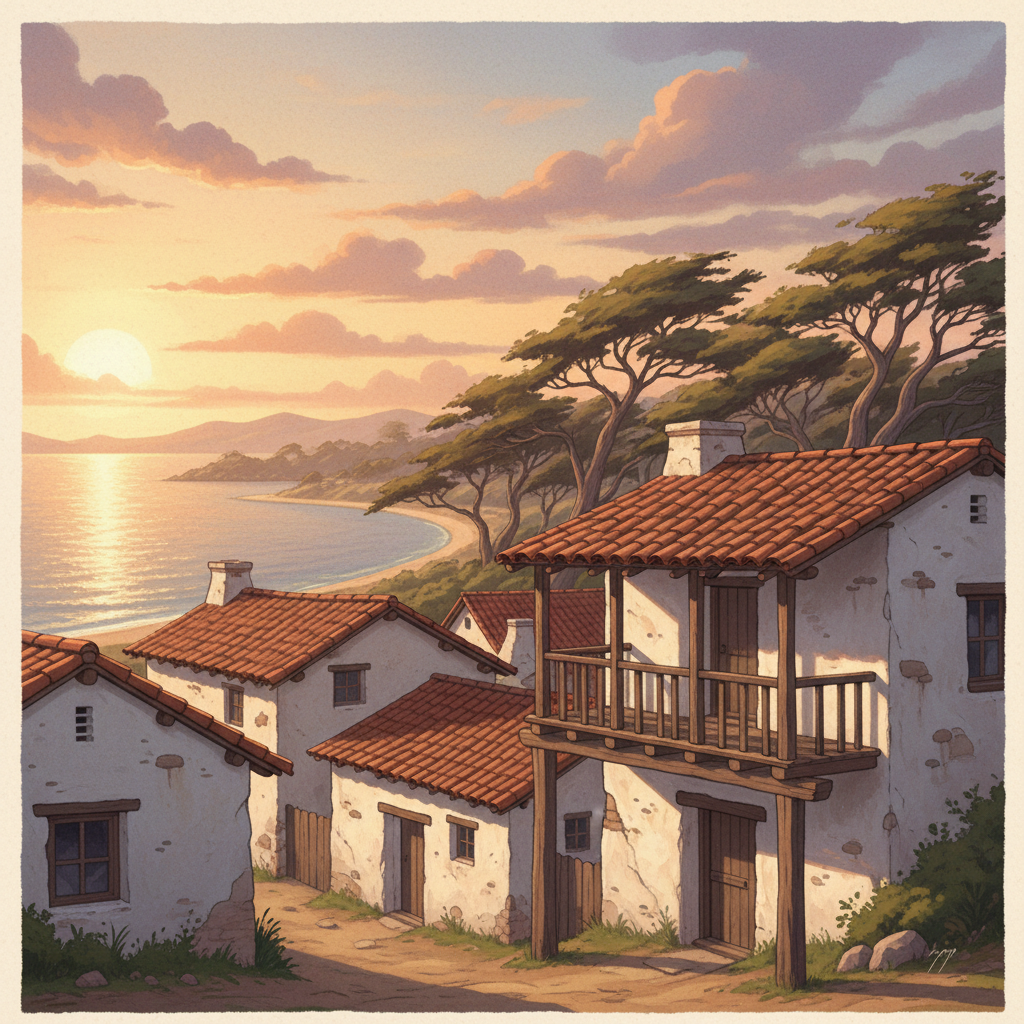
Mexican Alta California & the Adobe Capital
After Mexican independence, Monterey remains the capital of Alta California — a thriving adobe town of merchants, officials, and vast cattle ranchos.
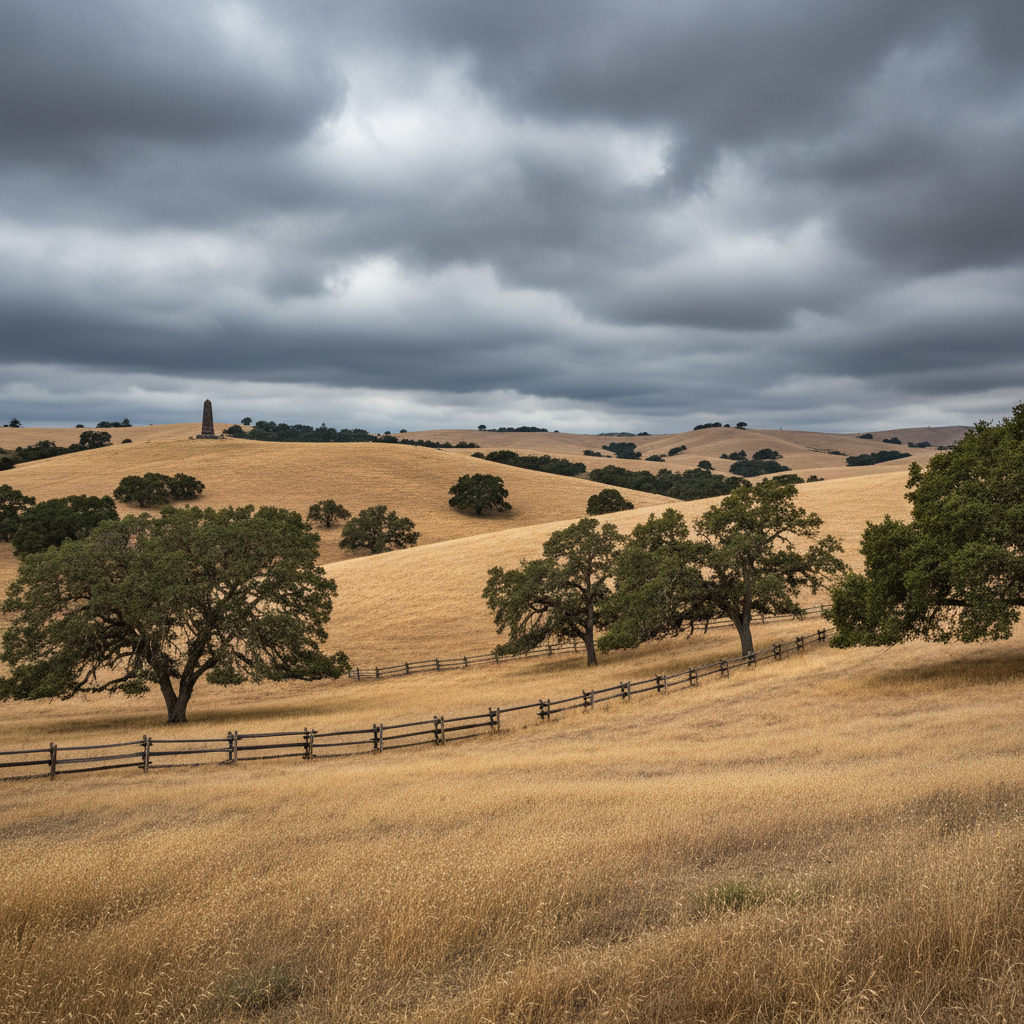
U.S. Flag Raised & the Battle of Natividad
Commodore John Drake Sloat raises the American flag over Monterey, and the Battle of Natividad near Salinas marks one of the few California clashes of the Mexican-American War.
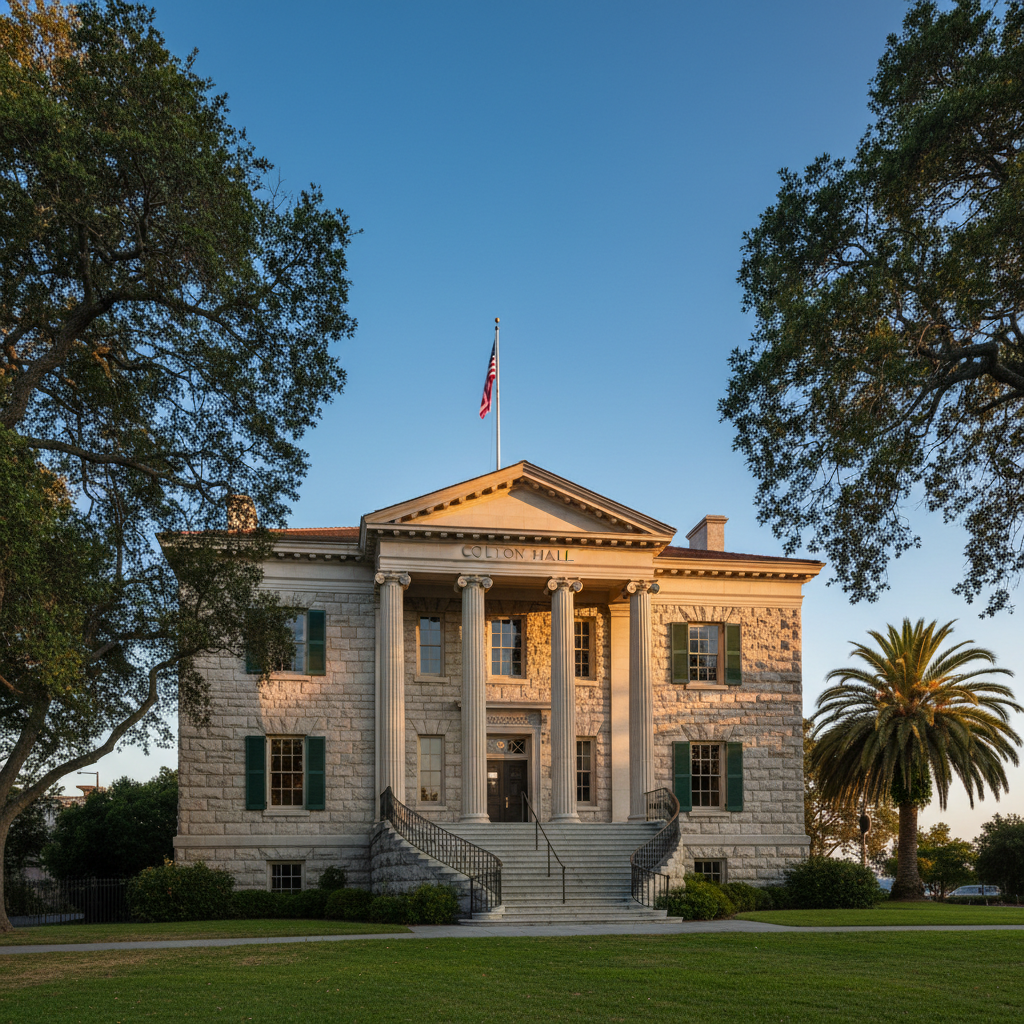
Colton Hall & California's Constitutional Convention
Delegates gather at Colton Hall in Monterey to write California's first Constitution — a founding document of the future state.
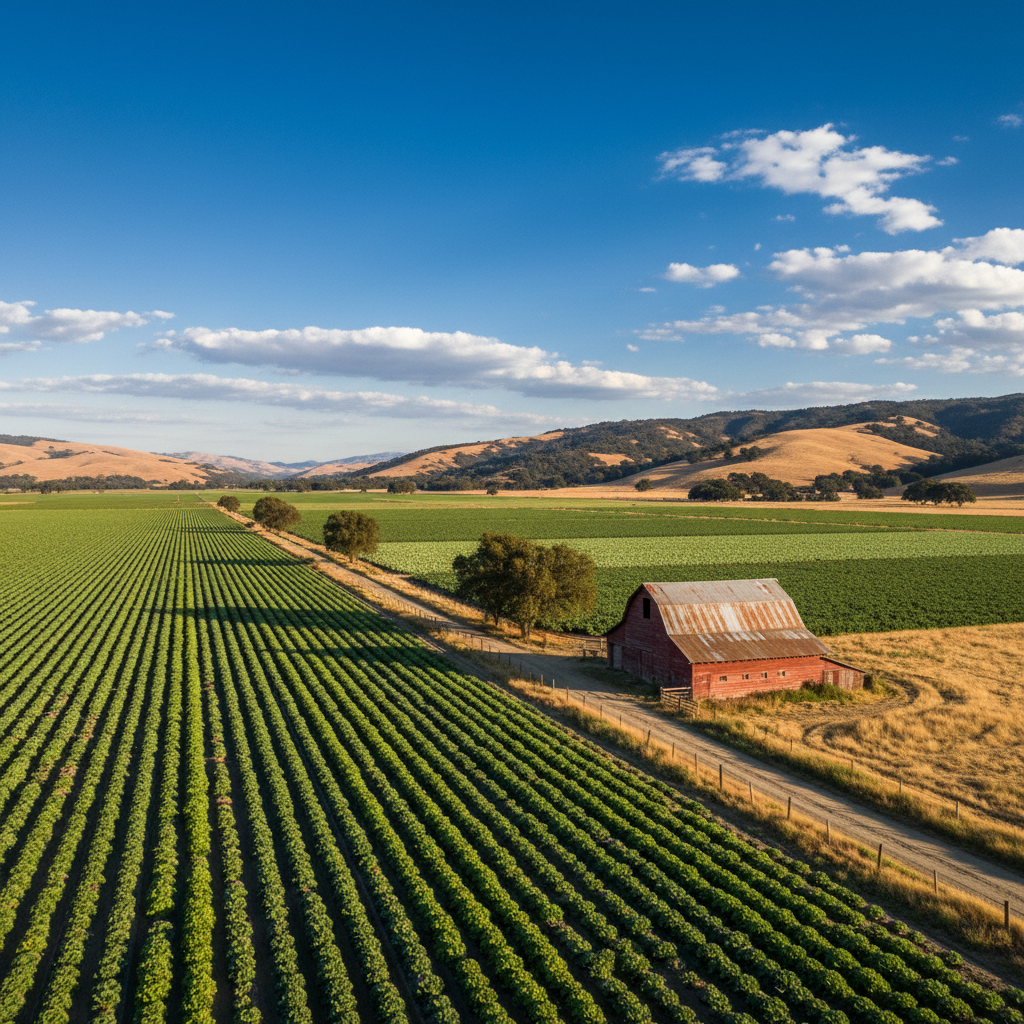
The Salinas Valley — 'Salad Bowl of the World'
Irrigation, railroads, and rich soil transform the Salinas Valley into one of the most productive agricultural regions on Earth.
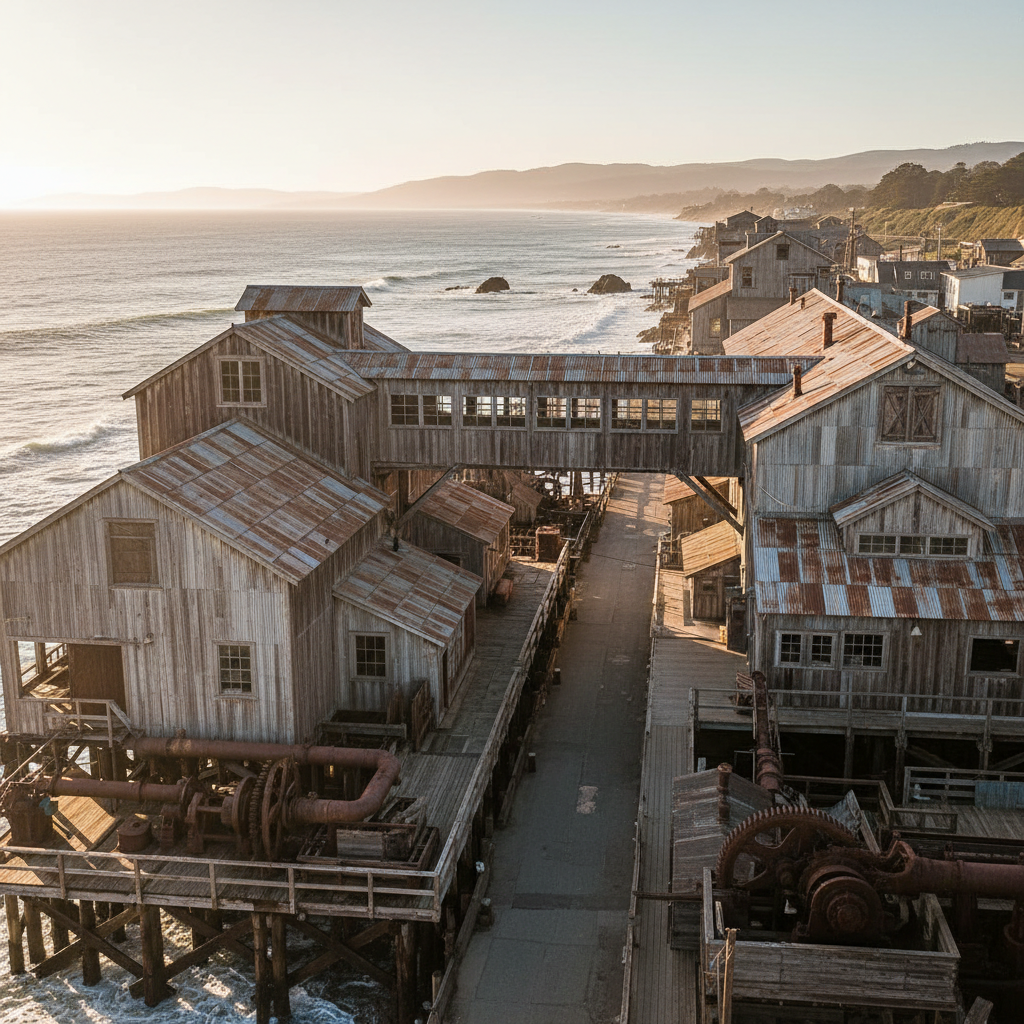
Cannery Row & the Sardine Boom
Monterey's Ocean View Avenue becomes the sardine-canning capital of the world — and later, immortalized by John Steinbeck, a cultural icon.
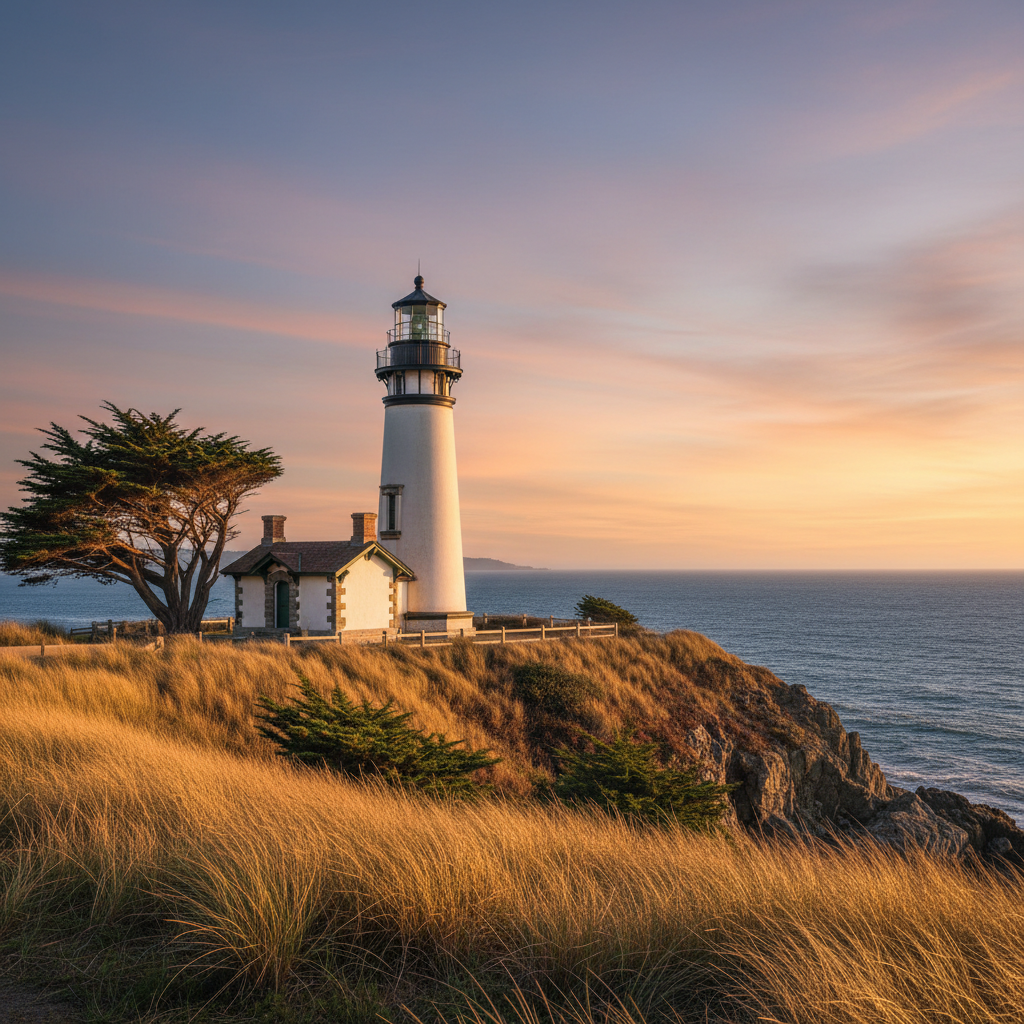
Pacific Grove, Carmel & the Coastal Communities
Distinct coastal towns take shape — from Pacific Grove's Methodist retreat to Carmel's artist colony — each adding a layer to the county's character.
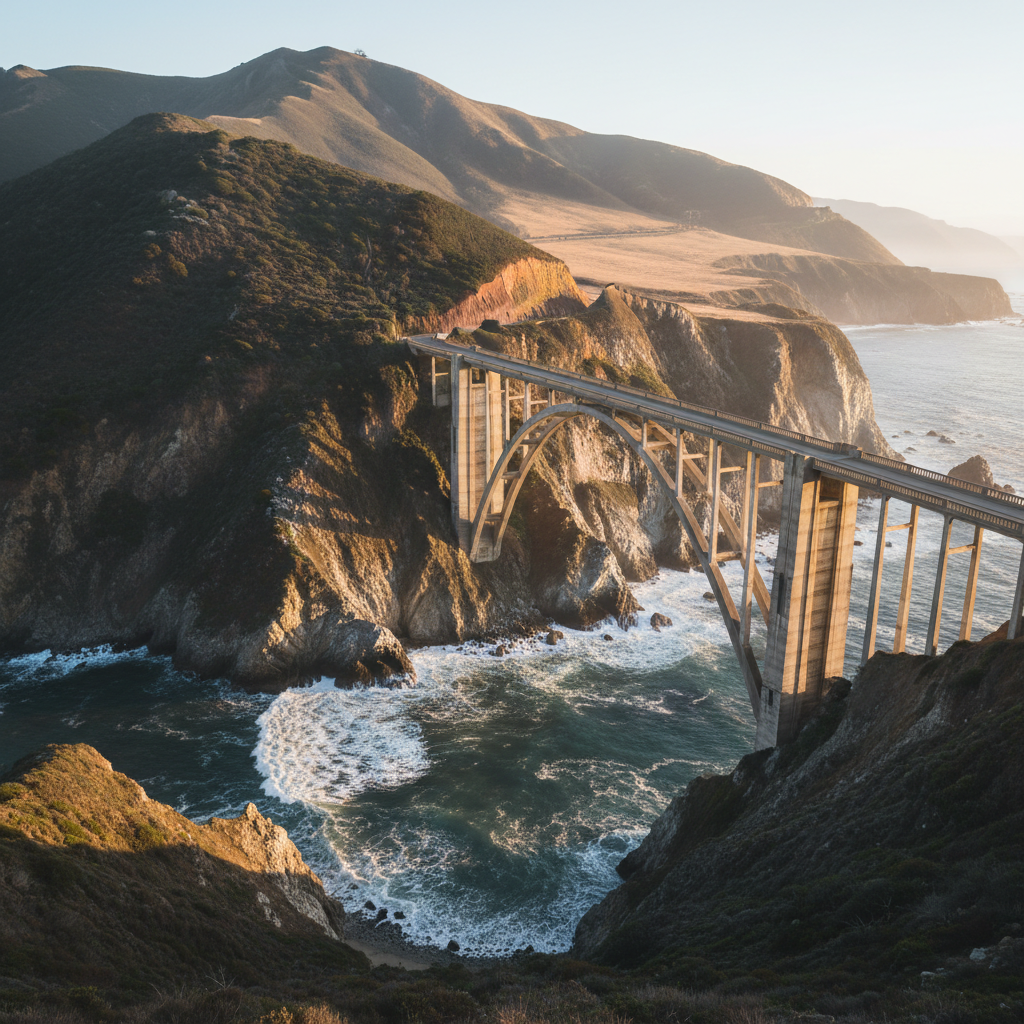
Big Sur & the Highway 1 Coast
The completion of the Bixby Creek Bridge and Highway 1 opens the dramatic Big Sur coast to the world.
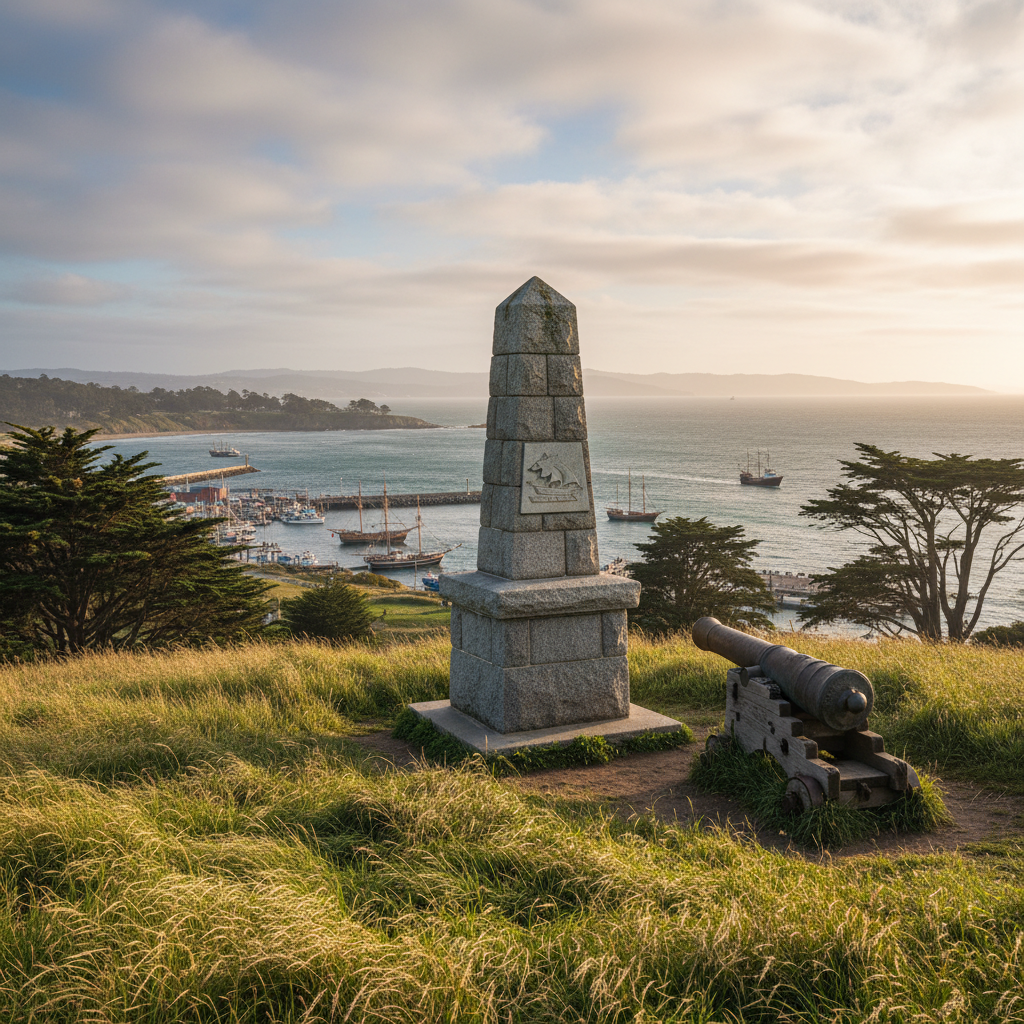
Military & Educational Monterey
From the historic Hotel Del Monte to the Presidio, Naval Postgraduate School, and Fort Ord, Monterey becomes a center of military and higher education.
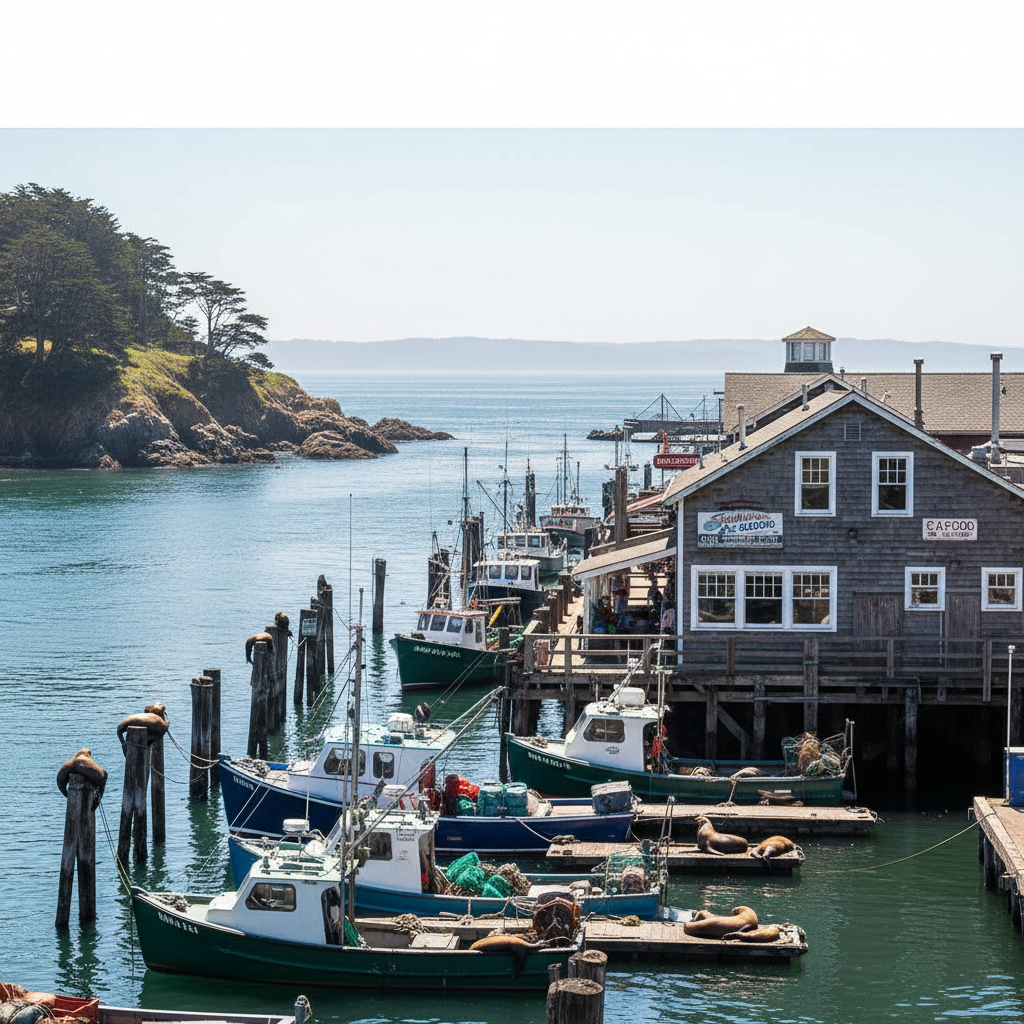
A Coastal, Agricultural, Historic County
Modern Monterey County is defined by tourism and agriculture, the Path of History, the Monterey Bay Aquarium, world-class golf, and one of the most preserved historic townscapes in California.
Why This History Matters Today
You can read Monterey County's history just by walking through it. The Esselen, Rumsen, and Salinan homelands are still here. Monterey's adobes still line the two-mile Path of History, with 55 preserved historic sites. Colton Hall still stands. The Salinas Valley's fields still feed the world. Cannery Row's canneries were reborn as a cultural icon.
That layered, visible past is what makes Monterey County unusual — a place where every era is still present in the streets, the fields, and the coast. Understanding it is what turns a visit into a connection, and a move into a sense of belonging.
Historic Landmarks
Visit the places where Monterey County's history was made — from California's first Constitution to the Carmel Mission and Cannery Row.
Colton Hall
Built in 1847–1849, this dignified two-story stone building hosted the 48 delegates who wrote California's first Constitution. Today it operates as a museum on Monterey's Path of History, telling the story of California's founding at the spot where it happened.
Site of California's 1849 Constitutional Convention — the birthplace of state government
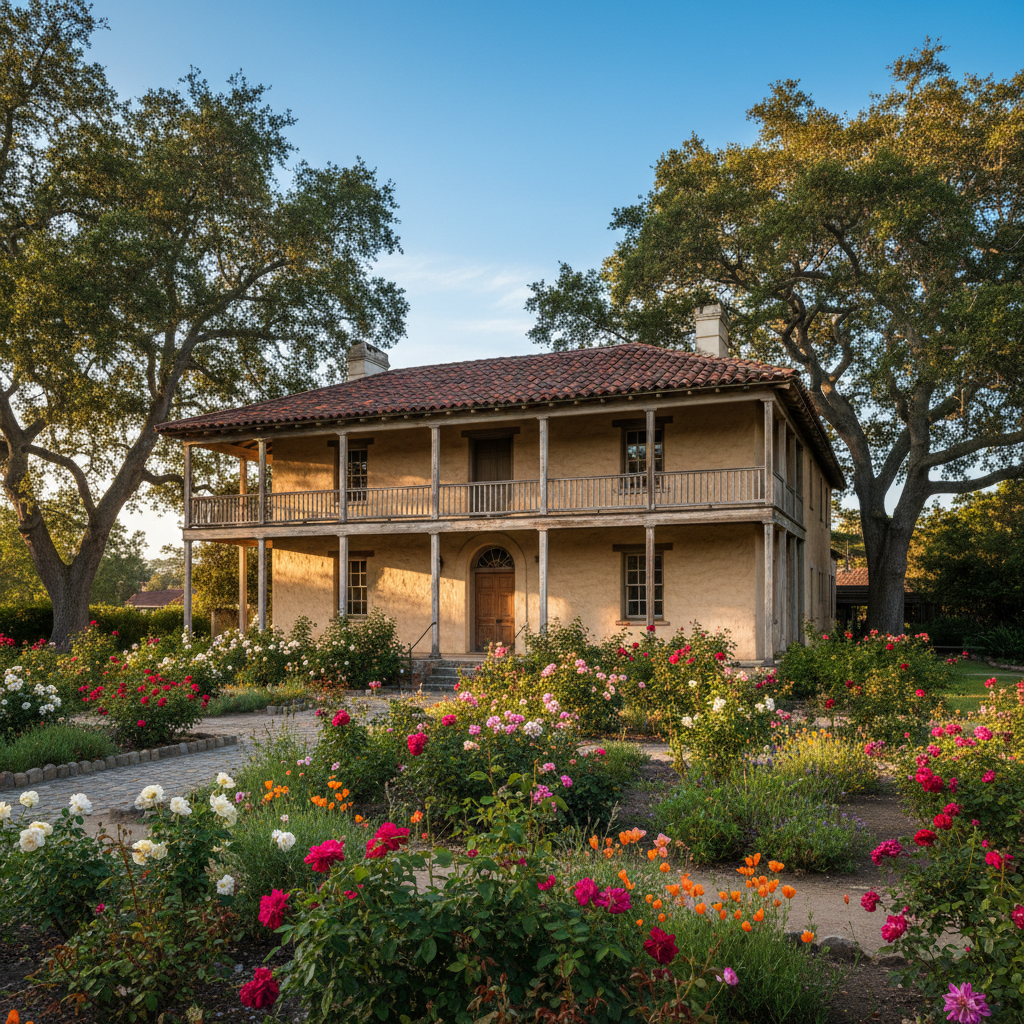
Larkin House
Built by merchant and the only U.S. Consul to Mexican California, Thomas Oliver Larkin, this National Historic Landmark fused adobe construction with a New England wooden balcony — birthing the 'Monterey Colonial' style. A centerpiece of Monterey State Historic Park.
An 1835 adobe built by Thomas Oliver Larkin — the origin of 'Monterey Colonial' architecture
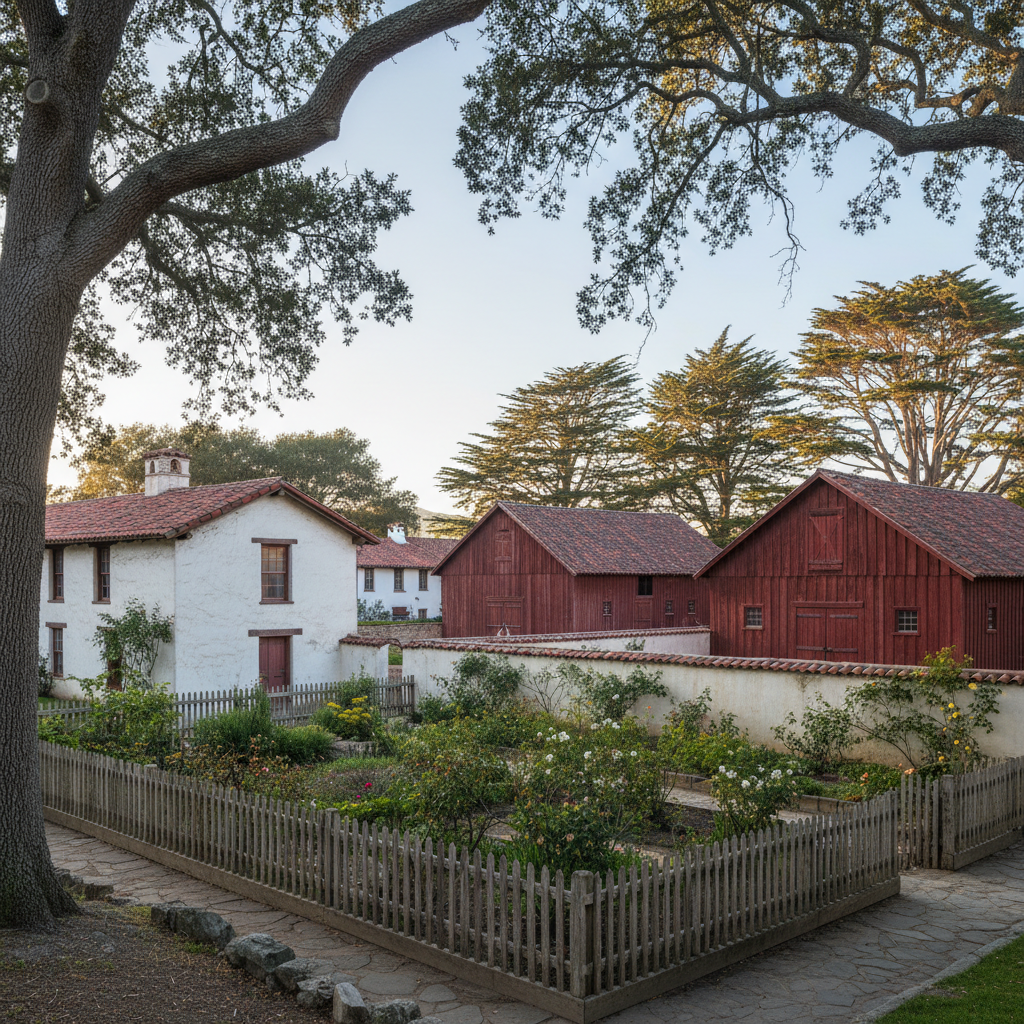
Cooper-Molera Adobe
This walled adobe compound — homes, gardens, and heritage barns — tells the story of the Cooper and Molera families across the Mexican and American eras. A landmark of Monterey State Historic Park and the Path of History.
A preserved adobe complex and garden documenting four generations of Monterey life
Carmel Mission
Founded by Serra in 1770 and moved to the Carmel River in 1771, the Carmel Mission served as the headquarters of the entire Alta California mission system. Its stone basilica and gardens remain an active parish and one of California's most beautiful and historically essential missions.
Mission San Carlos Borromeo — Father Junípero Serra's headquarters and burial place
Lower Presidio of Monterey
The hilltop Lower Presidio overlooks the bay where Spanish, Mexican, and American eras each left their mark — from the 1770 presidio to the 1846 U.S. flag-raising. Today a historic park with monuments, cannons, and panoramic views of Monterey Bay.
Founding site of Spanish military Monterey and the 1846 American flag-raising
Cannery Row & Monterey Bay Aquarium
Once the heart of the global sardine industry and immortalized by John Steinbeck, Cannery Row's restored canneries now anchor a vibrant waterfront. The Monterey Bay Aquarium, built inside a former cannery in 1984, is one of the most respected aquariums in the world.
The world's sardine capital, reborn as a cultural icon and home to a world-class aquarium
Point Pinos Lighthouse
Lit in 1855, the Point Pinos Lighthouse has guided ships into Monterey Bay for more than 165 years. Surrounded by Pacific Grove's Victorian cottages and coastal dunes, it remains a working lighthouse and beloved maritime-heritage landmark.
The oldest continuously operating lighthouse on the U.S. West Coast
Asilomar Conference Grounds
Designed beginning in 1913 by pioneering architect Julia Morgan, Asilomar's rustic Arts-and-Crafts buildings sit among coastal dunes and pines. A National Historic Landmark, it remains a working conference retreat and a masterwork of early-20th-century California architecture.
A Julia Morgan-designed Arts-and-Crafts landmark on the Pacific Grove dunes
Bixby Creek Bridge & Big Sur
Completed in 1932, the Bixby Creek Bridge is one of the most photographed bridges in the world and a symbol of Highway 1's audacious coastal engineering. It anchors the Big Sur coast — a stretch of cliffs, redwoods, and ocean that became a wilderness and artistic icon.
The iconic 1932 arch bridge that opened the legendary Big Sur coast
A Culture Built in Layers
Monterey County's identity isn't a single story — it's six overlapping ones. Each is alive across the county today.
Indigenous Living Heritage
The Esselen, Rumsen Ohlone, and Salinan peoples have stewarded the Monterey Bay, Carmel Valley, and Salinas Valley for over a thousand years. Their descendants and cultural presence remain a foundational layer of the region today.
Spanish & Mission Heritage
From the Carmel Mission and the Presidio to the adobe streetscapes of Old Monterey, the Spanish colonial era gave the county its missions, its name, and its enduring architectural identity.
Capital of California
Monterey was the capital of California under Spanish, Mexican, and U.S. military rule, and the site of Colton Hall where the state's first Constitution was written in 1849 — the birthplace of California government.
Agricultural Identity
The Salinas Valley — the 'Salad Bowl of the World' — made Monterey County one of the most productive farming regions on Earth, and inspired the novels of native son John Steinbeck.
Cannery & Fishing Culture
Cannery Row's sardine boom drew Italian, Japanese, Chinese, Portuguese, and Mexican workers and made Monterey a global fishing capital — a gritty, immigrant industrial story immortalized by Steinbeck.
Coastal & Artistic Culture
From Carmel's artist colony and Big Sur's wilderness to Pacific Grove's Victorian retreat and Pebble Beach's golf coast, Monterey County's coastline has long drawn artists, writers, and seekers of beauty.
Notable Figures
The people who built, shaped, and defined Monterey County — from Indigenous stewards to Nobel-winning storytellers.
Esselen, Rumsen & Salinan Peoples
Original stewards of Monterey Bay
Sebastián Vizcaíno
Named Monterey Bay
Gaspar de Portolá
Founded the Presidio of Monterey
Father Junípero Serra
Founded the Carmel Mission
Thomas Oliver Larkin
Built the Larkin House; only U.S. Consul to Mexican CA
Commodore John D. Sloat
Raised the U.S. flag over Monterey
Walter Colton & R. Semple
Built Colton Hall; founded California's first newspaper
Robert Louis Stevenson
Author who lived and wrote in Monterey
Julia Morgan
Architect of Asilomar Conference Grounds
John Steinbeck
Nobel author of Cannery Row & East of Eden
Ed Ricketts
Marine biologist of Cannery Row
Salinas Valley Farmworkers
Built the 'Salad Bowl of the World'
Towns with Deep Roots
Monterey County is a county of historic towns — from the colonial capital to artist colonies and farming communities. Explore their stories.
Monterey
1770 – present
The colonial capital of California — adobe homes, the Path of History, the Custom House, and Cannery Row all tell the story of where California's government began.
Carmel-by-the-Sea
1771 / 1900s
Home to the Carmel Mission and Father Serra's burial place, reborn in the 1900s as a bohemian artist and writer colony of storybook cottages.
Pacific Grove
1875 – present
Founded as a Methodist seaside retreat — Victorian cottages, the 1855 Point Pinos Lighthouse, and Julia Morgan's Asilomar grounds.
Salinas
1870s – present
The agricultural heart of the county and birthplace of John Steinbeck — the 'Salad Bowl of the World' and home of the National Steinbeck Center.
Big Sur
1930s – present
A once-isolated coast of cliffs and redwoods opened by the 1932 Bixby Bridge and Highway 1, becoming a wilderness and artistic icon.
Carmel Valley
1800s – present
A pastoral inland valley of ranchos and vineyards stretching from the Carmel River into the Santa Lucia foothills.
Seaside & Marina
1940s – present
Communities shaped by the former Fort Ord Army base, now home to CSU Monterey Bay and a growing Central Coast hub.
Castroville
1860s – present
The 'Artichoke Center of the World' — an historic Salinas Valley farming town founded by Juan Bautista Castro.
King City & South County
1880s – present
The southern Salinas Valley's farming and ranching communities, anchored by the railroad and the Mission San Antonio de Padua nearby.
Keep Exploring Monterey County
From the towns that made the county to the parks, restaurants, and schools that define it today.
Explore Everything MC
Cities & Towns
Events & Culture
Real Estate & Stays
Schools & Family
Everything MC is your premium guide to the Monterey Bay. Cities and towns, restaurants, events, parks, schools, culture, and more — all sourced from official county departments and trusted institutions, curated for the people who call Monterey County home. Part of the Everything California network.
Explore More of California
The Everything Network — 16 California Regions