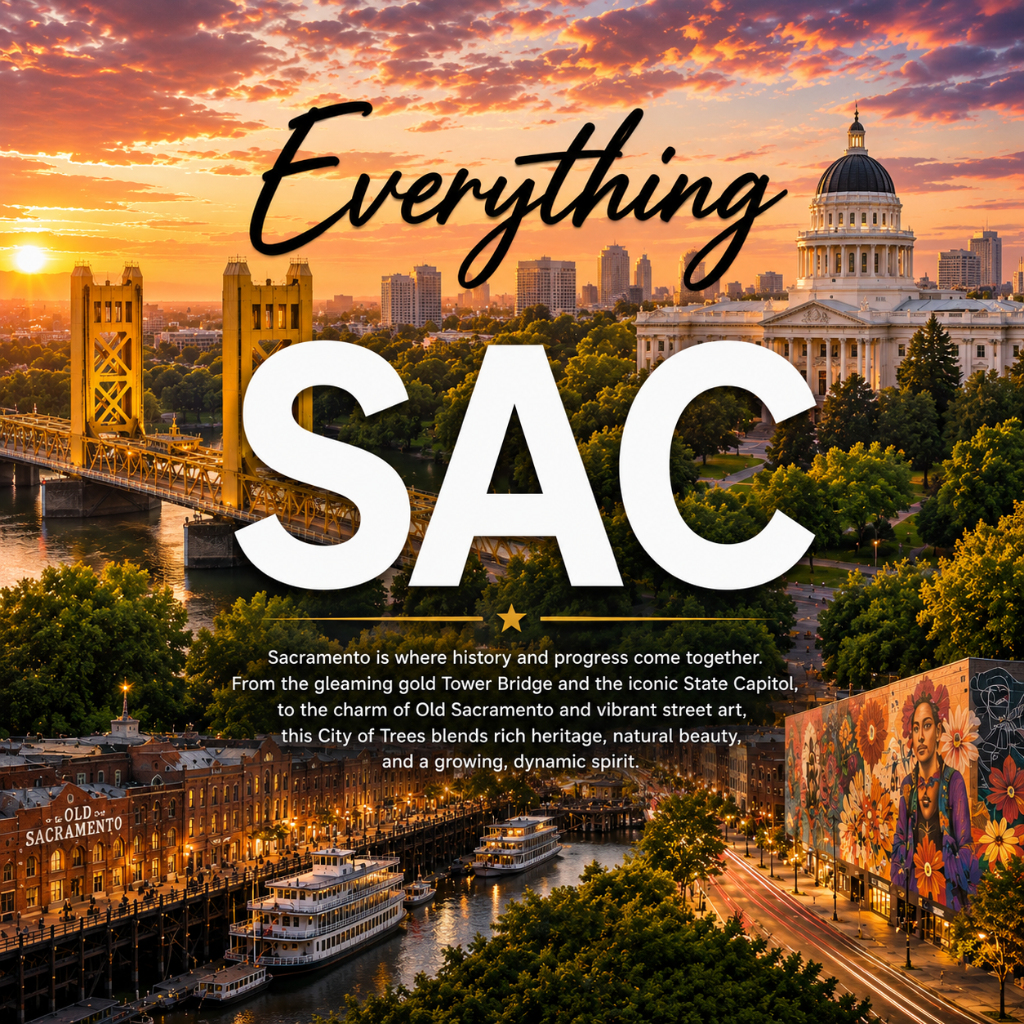

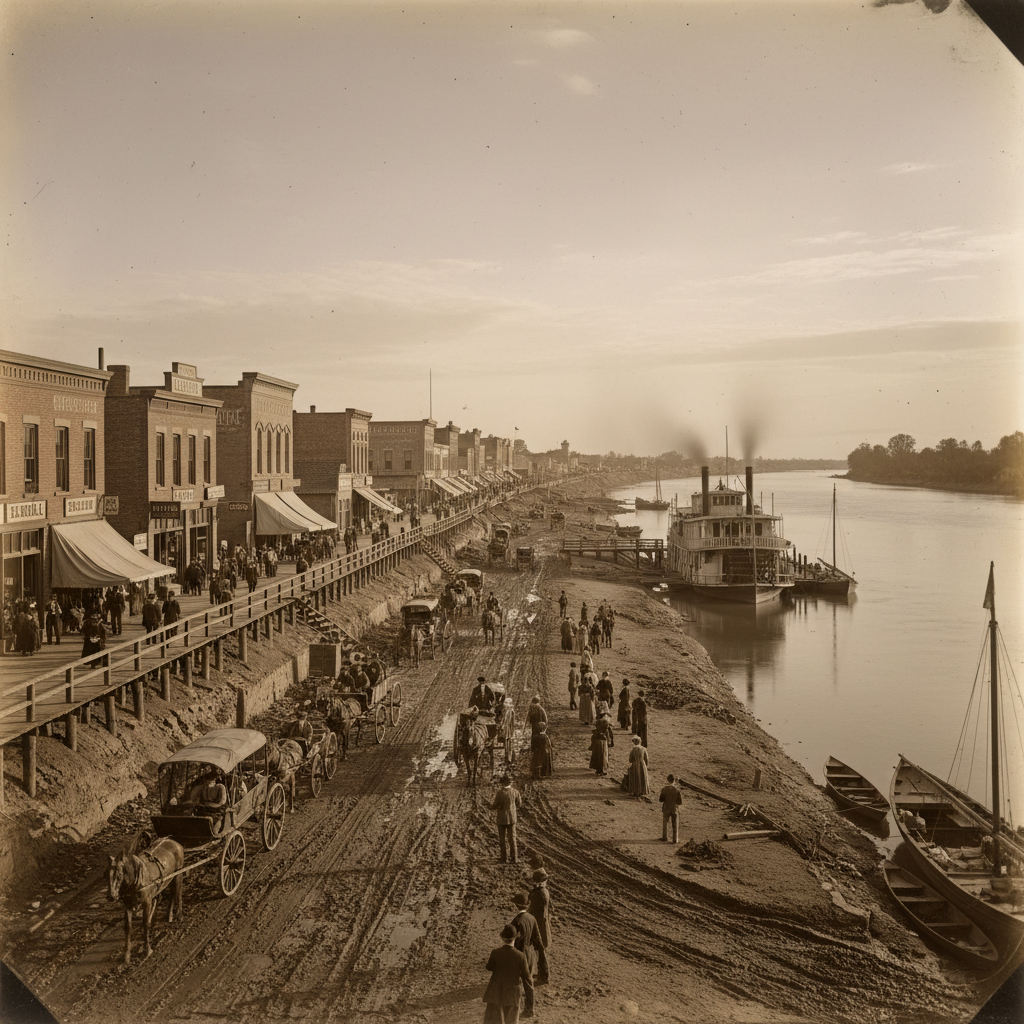
The Story of
Sacramento
From the Nisenan homeland and Sutter's Fort to the Gold Rush that built the city, the railroad that connected the continent, and the farm-to-fork capital California calls home today.
A City Built at the Crossroads of California
Sacramento's history stretches back more than 10,000 years to the Nisenan (Southern Maidu) people, who built thriving villages at the confluence of the Sacramento and American rivers — one of the most resource-rich locations in the Western Hemisphere. When Spanish missionaries pushed inland in the early 1800s and named the great river "El Río de los Sacramentos," they set in motion a chain of events that would transform this valley into the capital of the world's fifth-largest economy.
From Sutter's Fort and the Gold Rush that made Sacramento the supply capital of the 49ers, to the transcontinental railroad launched by four Sacramento merchants who connected a continent, to the California State Capitol's gold dome that has governed the nation's most populous state since 1854 — Sacramento has always been a city where the West's defining stories begin. Today, surrounded by 1.5 million acres of farmland and home to one of America's most diverse populations, Sacramento is writing a new chapter: the farm-to-fork capital, the City of Trees, the place where California's future is decided.
Sacramento was the western terminus of the Pony Express — riders left from the waterfront on B Street carrying mail 2,000 miles to Missouri in just 10 days.
Sacramento's Historical Timeline
From the Nisenan homeland through the Gold Rush, transcontinental railroad, and modern capital city. Click any event to read the full story.
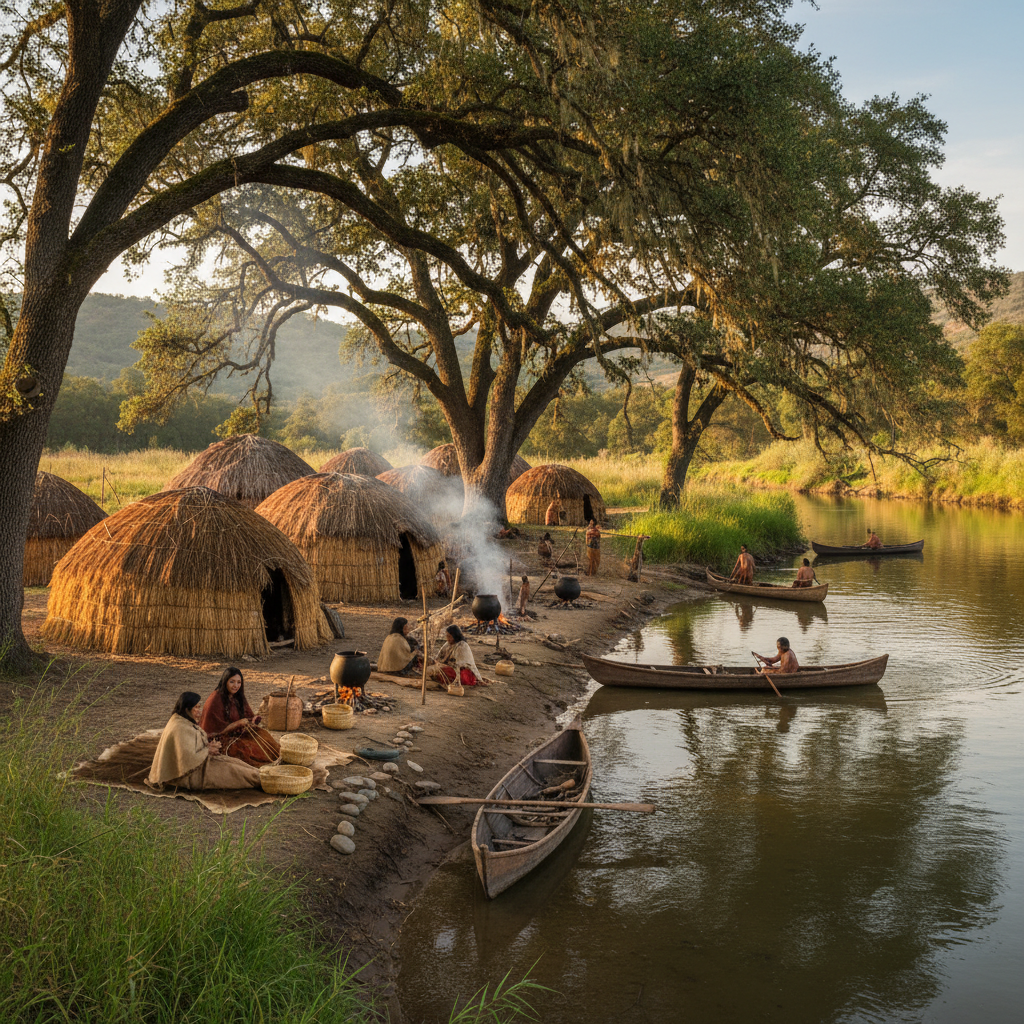
Nisenan and Maidu People of the Sacramento Valley
For thousands of years, the Nisenan (Southern Maidu) and other Miwok peoples called the Sacramento Valley home, living in permanent villages along the confluence of the Sacramento and American rivers.
Spanish Exploration & the Naming of the Sacramento River
Spanish missionaries from San Francisco pushed inland, exploring the great central valley and naming the waterway 'El Río de los Sacramentos' — the River of the Sacraments.
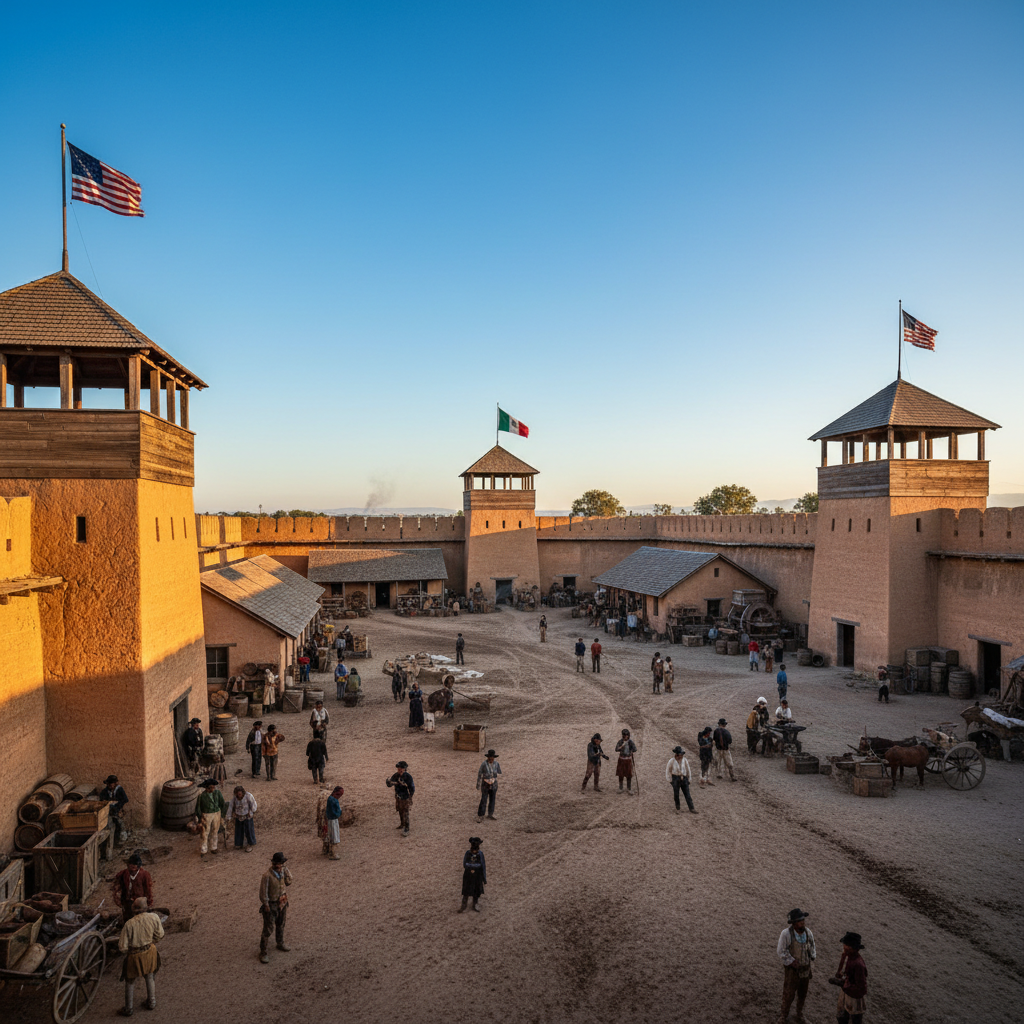
Sutter's Fort & the Founding of Nueva Helvetia
Swiss immigrant John Augustus Sutter received a land grant from Mexican Alta California and established Nueva Helvetia ('New Switzerland') — an agricultural empire at the confluence of the Sacramento and American rivers.
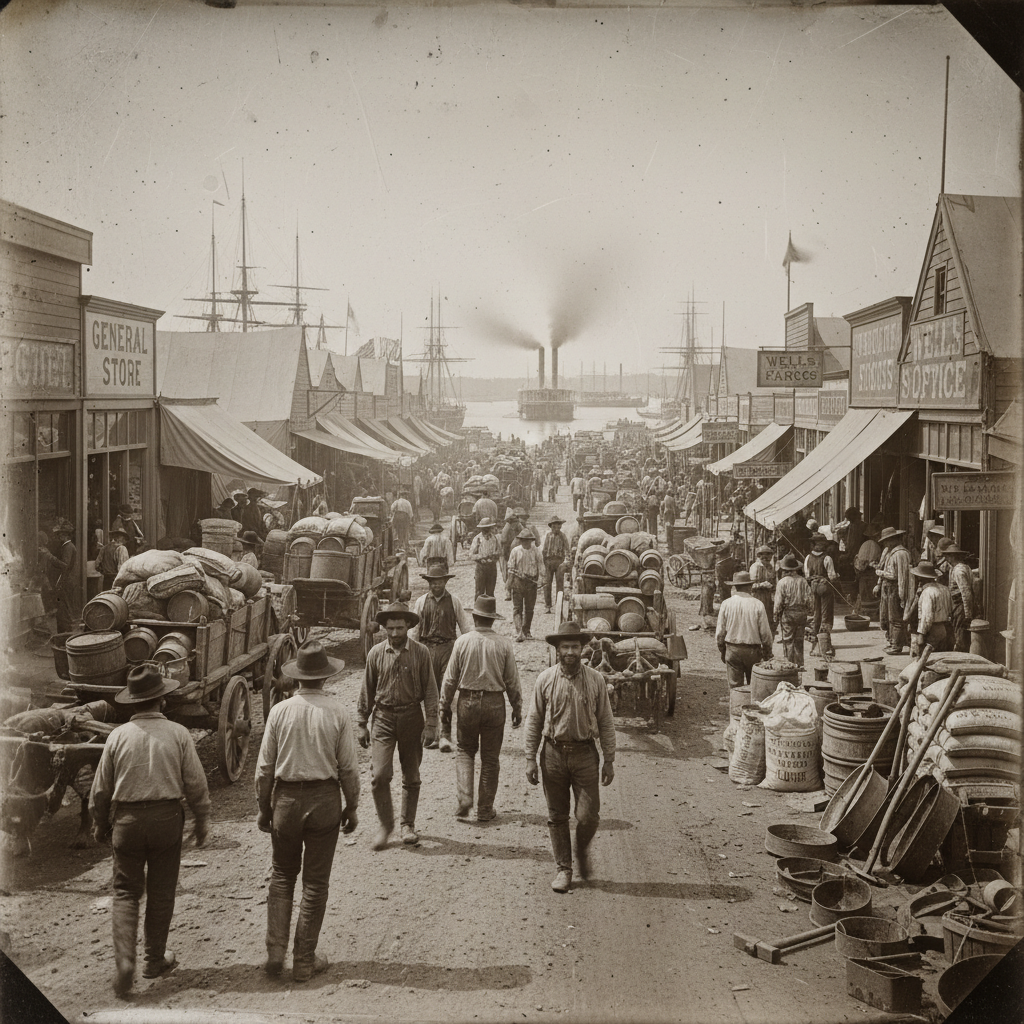
Gold Discovery at Sutter's Mill — The World Rushes In
On January 24, 1848, James Marshall spotted gold flakes in the tailrace of a sawmill at Coloma. Within months, Sacramento became the supply and transportation capital of the greatest mass migration in American history.
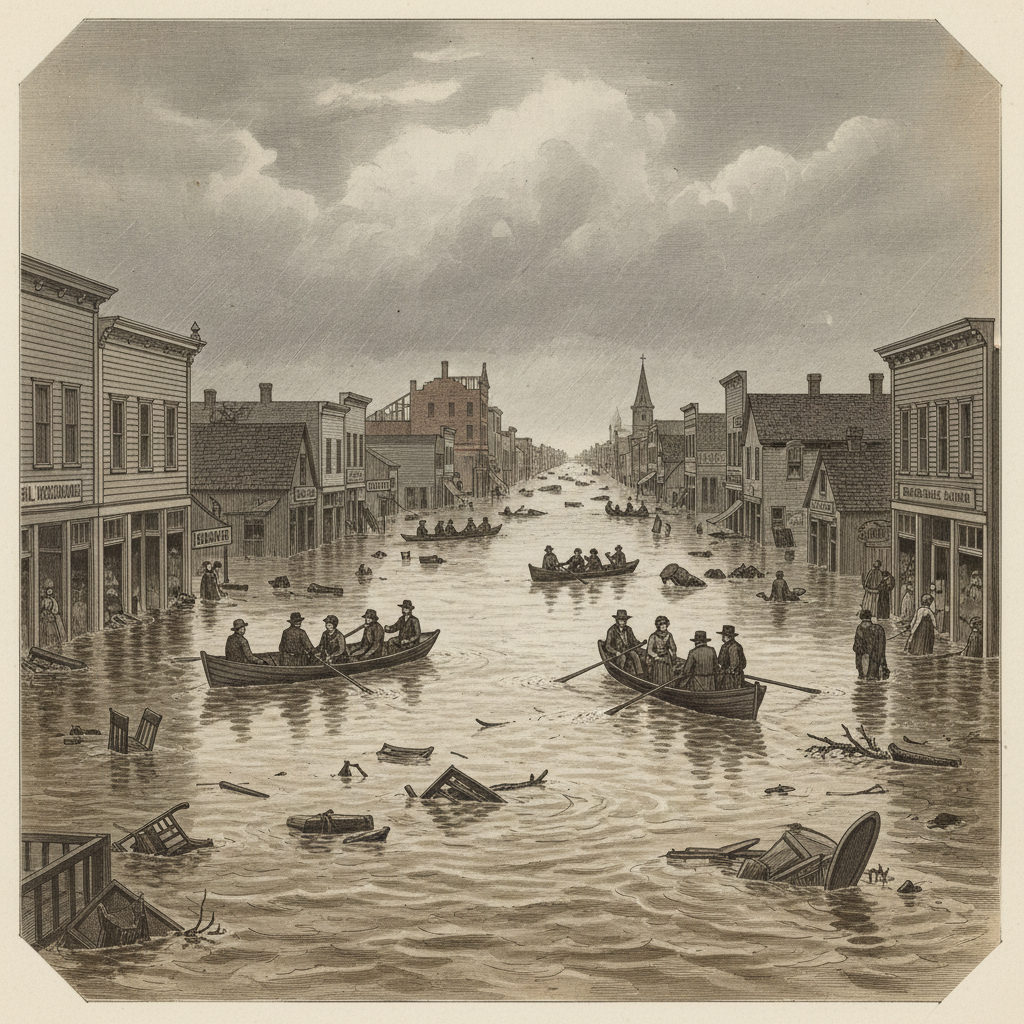
Floods, Fire & Resilience — A City Rebuilt on Stilts
Catastrophic floods and fires repeatedly destroyed the young city in the 1850s. Sacramento's response — raising streets, constructing levees, and rebuilding in brick — is one of the boldest urban engineering stories in American history.
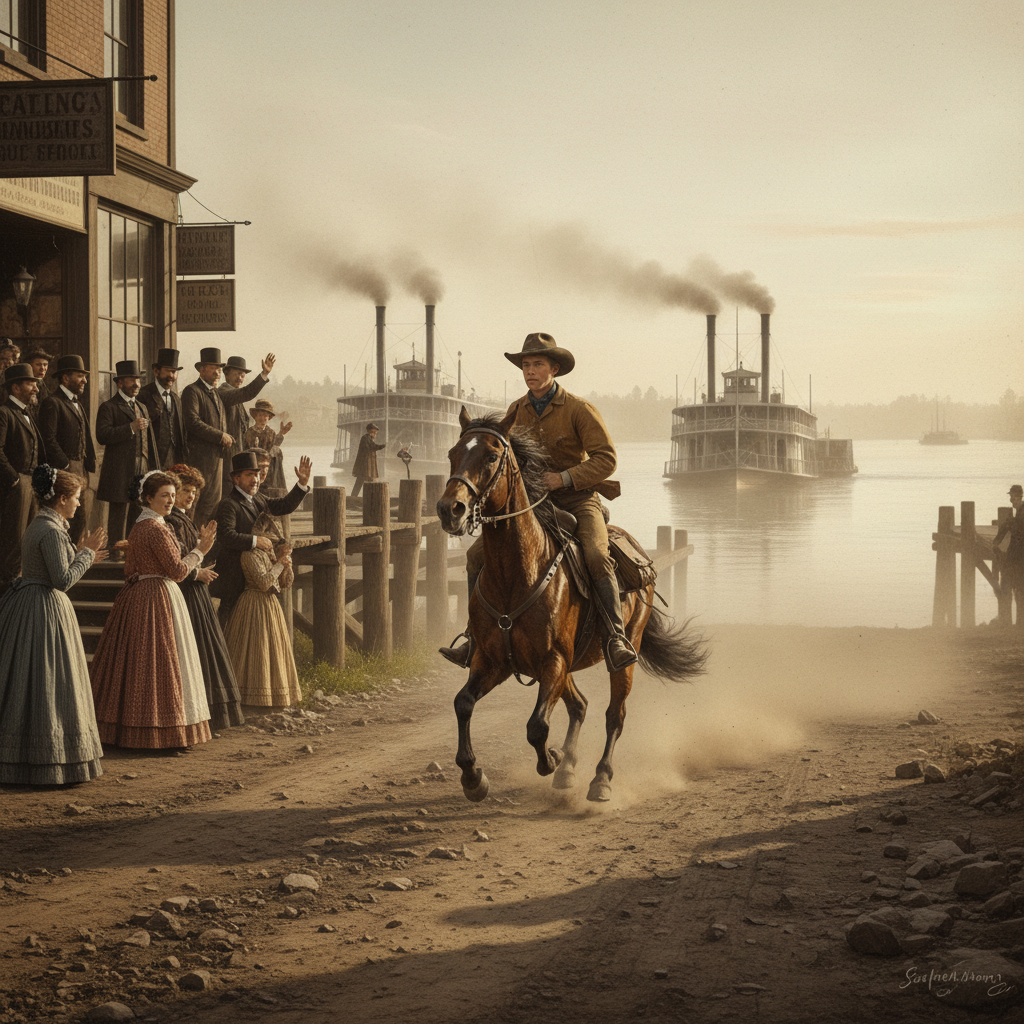
Pony Express & the First California Railroad
Sacramento was the western terminus of the Pony Express (1860–1861) and the eastern terminus of California's first railroad — the Sacramento Valley Railroad — establishing the city as California's transportation hub.
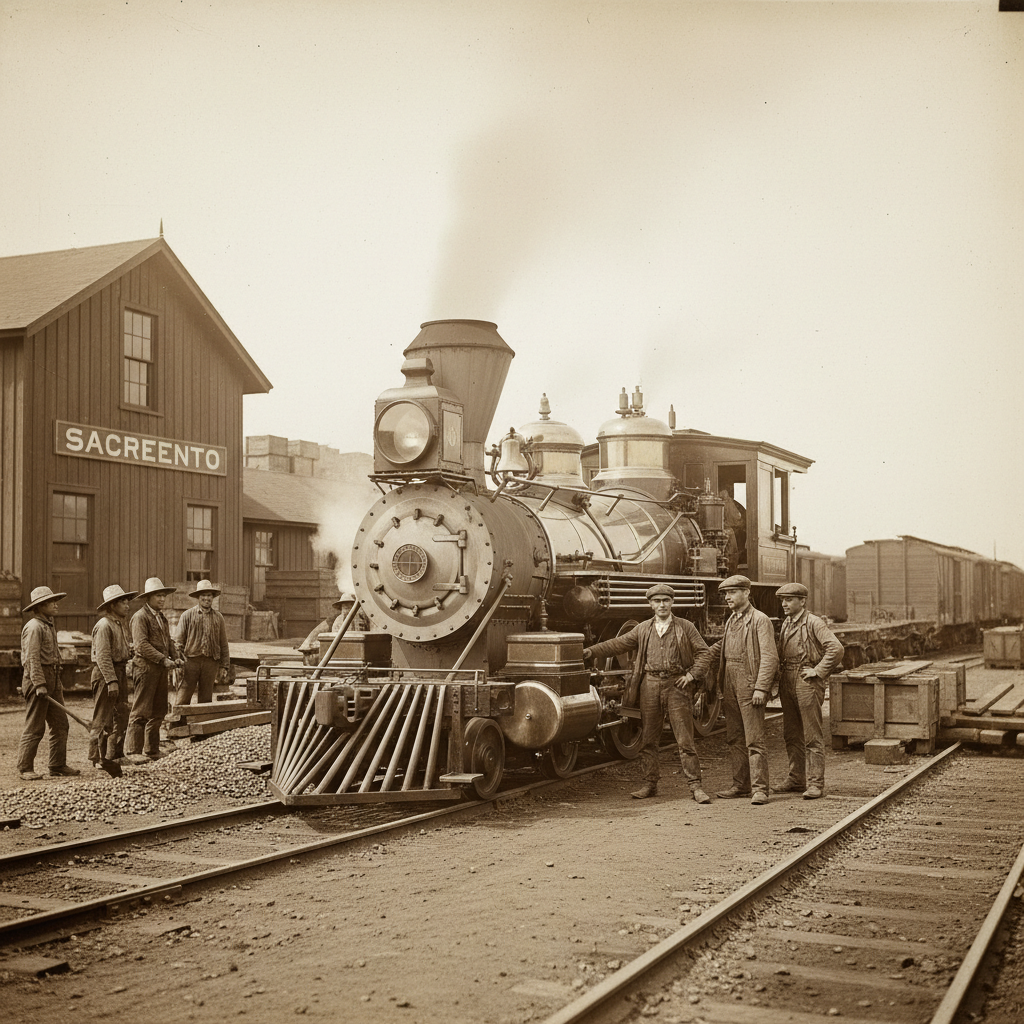
The Big Four & the Transcontinental Railroad
From a hardware store on K Street, four Sacramento merchants — Leland Stanford, Mark Hopkins, Collis Huntington, and Charles Crocker — launched the Central Pacific Railroad and drove iron rails east to meet the nation.
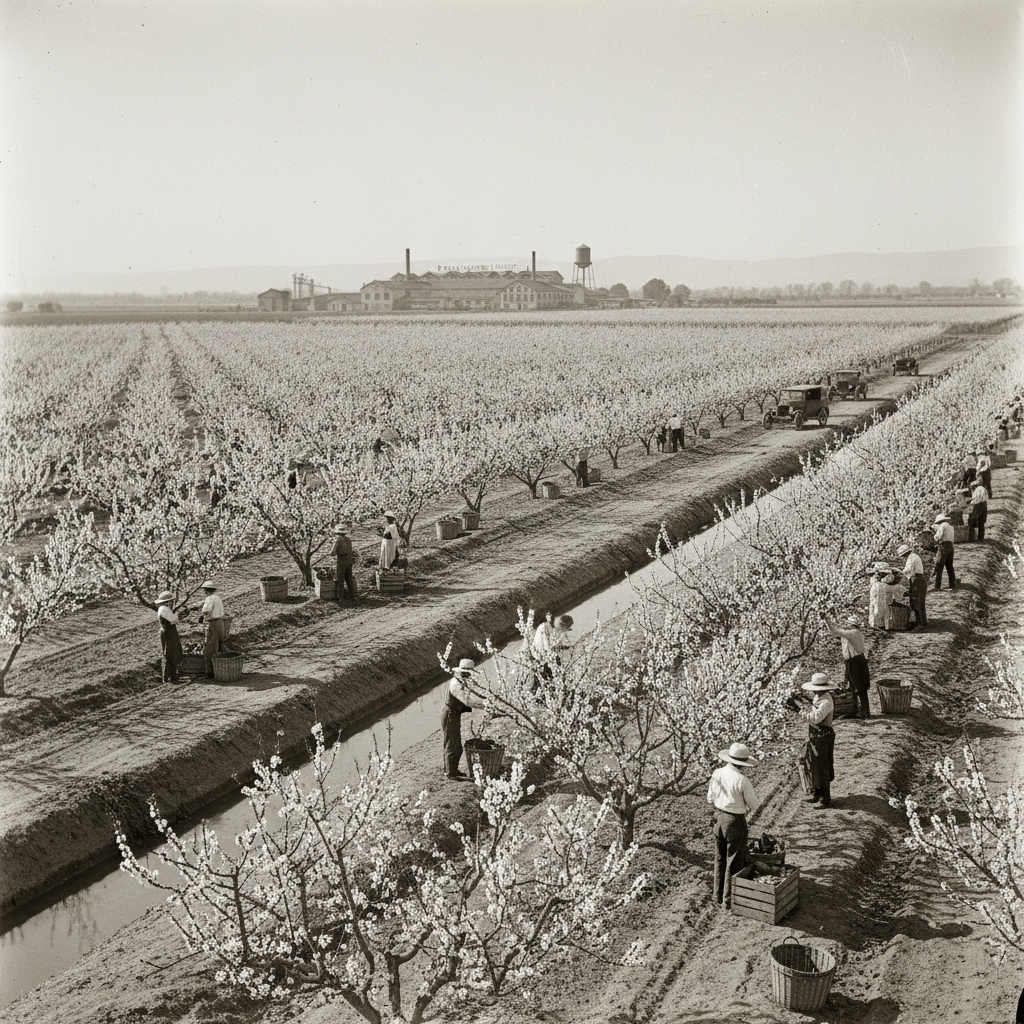
Agriculture, Canning & the Capital City Economy
The Sacramento Valley became the fruit basket of the nation. Canneries, orchards, and rice fields defined the regional economy, while Sacramento's government sector grew steadily through the mid-20th century.
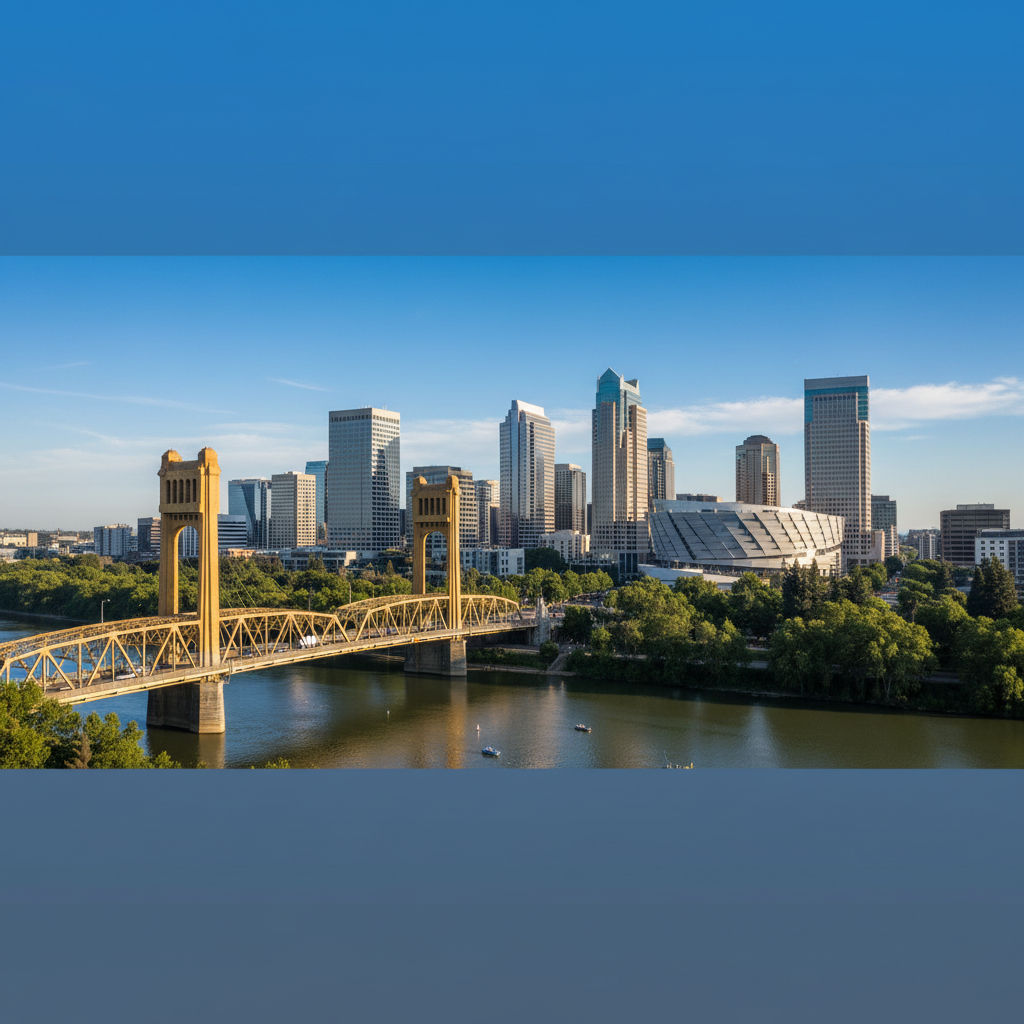
Modern Sacramento — The Diverse Capital City
Sacramento has emerged as one of America's most diverse cities — a government, healthcare, and tech hub anchored by historic neighborhoods, the American River Parkway, and a farm-to-fork food culture beloved nationwide.
Why This History Matters Today
You can read Sacramento's history just by walking through it. The underground vaults beneath Old Sacramento's boardwalks are the buried original street-level — the literal foundation the city raised itself up from after the catastrophic floods of the 1850s. Sutter's Fort still stands on L Street, its adobe walls enclosing the courtyard where overland emigrants rested after crossing the Sierra Nevada. The State Capitol dome still gleams above Capitol Mall, governing decisions that ripple across the largest state economy in the nation.
That layered, visible past is what makes Sacramento unusual among California cities — a place where every era is still accessible in the streets. Understanding it turns a visit into a connection, and a move into a sense of belonging. The history isn't in the past here. It's in the soil the city grows its food from, in the rivers that still flood and sustain it, and in the Capitol rotunda where California's next chapter is being drafted right now.
This overview is high-level editorial history. For primary source research, visit Sacramento History Online, the California State Library, or the Sacramento History Museum at Old Sacramento.
Historic Landmarks
Visit the places where Sacramento's history was made — from the Gold Rush waterfront to the fort that started it all to the Capitol that governs a state of 40 million.
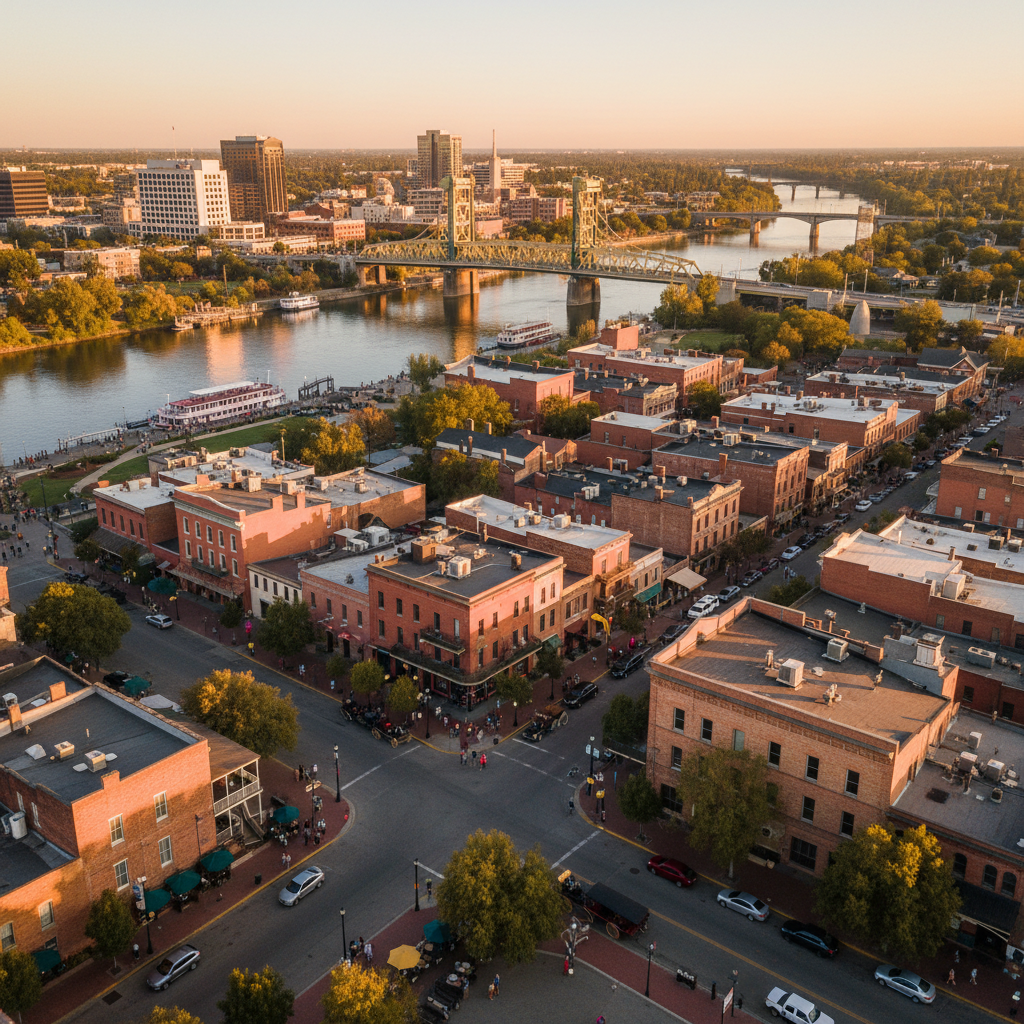
Old Sacramento Waterfront
The birthplace of the city — a preserved 28-acre historic district along the Sacramento River where Gold Rush-era merchants, miners, and gamblers built California's first boomtown. Today's wooden boardwalks, brick facades, and underground vaults let you walk through the 1850s at street level.
One of the largest concentrations of Gold Rush-era commercial architecture in the United States; listed on the National Register of Historic Places.
Sutter's Fort State Historic Park
The reconstructed adobe fort that John Sutter built in 1839 stands today as a living history museum. The only surviving interior fort of its kind in the Western U.S., it offers a vivid window into California life before the Gold Rush — from blacksmithing to baking to early pioneer medicine.
The most important inland outpost in pre-Gold Rush California and the destination of thousands of overland pioneers crossing the Sierra Nevada.
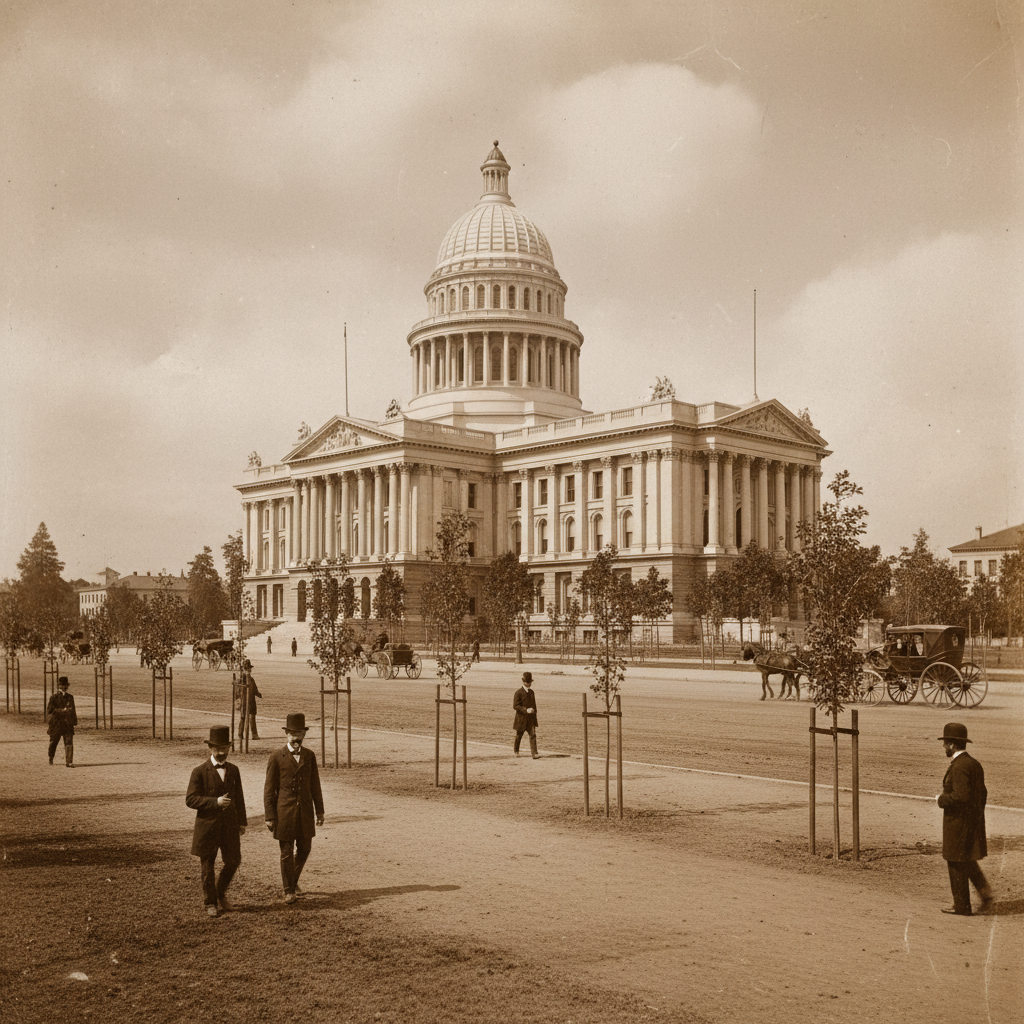
California State Capitol & Capitol Park
The golden dome of the California State Capitol has anchored Sacramento since its cornerstone was laid in 1861. After a $68 million restoration in the 1970s, the Capitol again gleams as a symbol of California's ambition. The surrounding Capitol Park — 40 acres of trees from around the world — is an outdoor museum unto itself.
The center of California government since 1854; the Capitol building is itself a National Historic Landmark and one of California's finest architectural achievements.
California State Railroad Museum
The largest railroad museum in North America anchors Old Sacramento's historic district with a stunning collection of restored locomotives and rail cars, including the original Central Pacific engines that drove the transcontinental railroad. A testament to the Big Four's audacious dream and the Chinese laborers who made it real.
Home to over 225,000 artifacts and 19 restored locomotives, including the Central Pacific's 'Governor Stanford' engine from 1862.
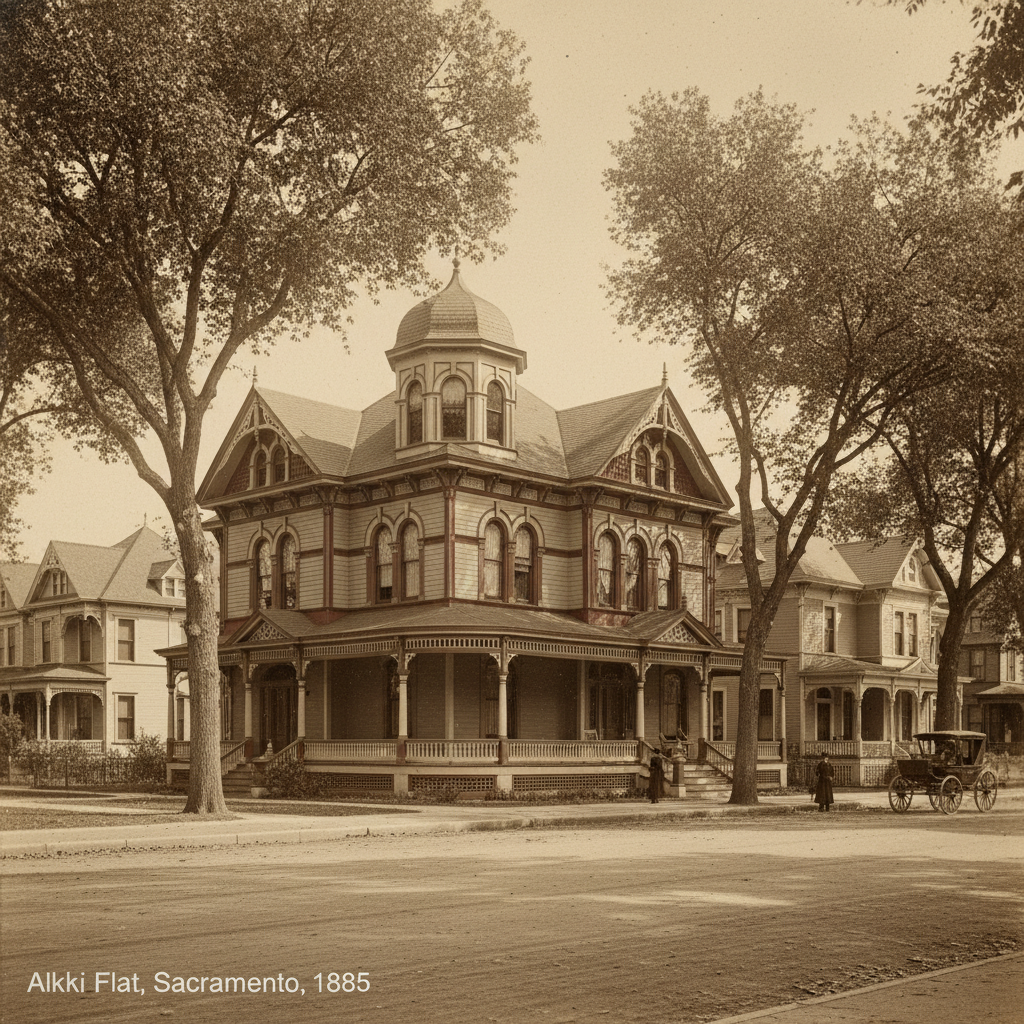
Alkali Flat Historic District
Sacramento's oldest intact residential neighborhood, Alkali Flat contains one of California's finest concentrations of Victorian-era housing — Italianate, Queen Anne, and Craftsman homes built by Sacramento's merchant and professional class in the late 1800s. The neighborhood tells the story of the city's post-Gold Rush prosperity.
Listed on the National Register of Historic Places; one of the most architecturally significant Victorian residential districts in the Western United States.
Sacramento History Museum
Housed in a replica of Sacramento's original 1854 City Hall, the Sacramento History Museum anchors the waterfront with artifacts, photographs, and exhibits spanning the city's full history — from Nisenan cultural objects to Gold Rush newspapers to civil rights-era political documents.
The primary repository of Sacramento's civic memory, with archives spanning over 170 years of city history.
A Culture Built in Layers
Sacramento's identity isn't a single story — it's six overlapping ones. Each is alive in the city today.
Nisenan & Maidu Living Heritage
The Nisenan (Southern Maidu) people have called the Sacramento Valley home for thousands of years. Today, the United Auburn Indian Community and Shingle Springs Band of Miwok Indians continue to maintain their presence and cultural identity across the region.
Gold Rush & the River That Built a City
The Sacramento River waterfront is where California's great migration landed. Old Sacramento's preserved 19th-century district still carries the architectural DNA of the 1849 boomtown — the saloons, warehouses, and docks that made Sacramento the Amazon of the Gold Rush.
The Capitol & California Government
As California's state capital since 1854, Sacramento is where the largest state economy in the U.S. is governed. The Capitol dome, lobbyists, legislators, and the sprawling state agency campus define daily life and give the city a civic seriousness unlike any other California city.
Railroad & Chinese-American Legacy
The transcontinental railroad was built on the backs of 12,000 Chinese laborers who remain among the most consequential — and underacknowledged — contributors to American history. Sacramento's Chinese community, present since 1849, is one of the oldest in California.
Farm-to-Fork & the Central Valley Table
No American city is more intimately connected to its farmland than Sacramento. Surrounded by 1.5 million acres of cropland, Sacramento gave birth to the farm-to-fork movement — a genuine expression of a city that can trace its dinner from field to plate in minutes.
Sacramento's Diverse Modern Soul
Sacramento consistently ranks as one of America's most racially and ethnically diverse cities. The city's Hmong, Mexican-American, Filipino, South Asian, and African-American communities have built neighborhoods, institutions, and cultural traditions that give Sacramento its singular modern identity.
Notable Figures
The people who built, shaped, and defined Sacramento — from Swiss settlers and Gold Rush prospectors to railroad barons and literary icons.
John Sutter
Founder of Nueva Helvetia
James Marshall
Gold Rush Discoverer
Leland Stanford
Governor & Railroad Baron
Mark Hopkins
Central Pacific Co-Founder
Charles Crocker
Railroad Builder
Collis Huntington
Central Pacific Financier
E.B. Crocker
Art Collector & Judge
Mary Ellen Pleasant
Abolitionist & Entrepreneur
Isadora Duncan
Pioneer of Modern Dance
Joan Didion
Author & Journalist
William Land
City Developer & Benefactor
Frank Fat
Restaurateur & Political Host
Neighborhoods with Deep Roots
Sacramento is a city of neighborhoods — many with histories stretching back to the Gold Rush era or earlier. Explore their stories.
Old Sacramento
Founded 1849
The original city — a Gold Rush waterfront district where California's commercial history began, preserved in 28 acres of 19th-century brick and wood.
Alkali Flat
Founded 1860s
Sacramento's oldest residential neighborhood, filled with Victorian-era homes that housed the city's merchant and professional class after the Gold Rush.
Midtown
Developed 1880s–1920s
The cultural and social heart of modern Sacramento — a walkable grid of historic homes, tree-lined streets, and one of California's great independent restaurant scenes.
East Sacramento
Developed 1900s–1930s
A streetcar suburb of Craftsman bungalows and Tudor Revival homes, East Sacramento reflects the city's aspirational middle-class identity of the early 20th century.
Land Park
Developed 1920s
Named for city benefactor William Land and home to the Sacramento Zoo and William Land Park — one of Sacramento's most beloved family neighborhoods since the 1920s.
Oak Park
Founded 1890s
One of Sacramento's oldest neighborhoods, Oak Park has a rich multicultural history and has been a center of community resilience, arts, and revitalization.
Keep Exploring Sacramento
From the neighborhoods that made the city to the parks, restaurants, and events that define it today.
Explore Everything SAC
Events & Culture
Restaurants & Food
Real Estate & Stays
Schools & Family
Everything SAC is your premium guide to Sacramento County — City of Trees, Gold Rush heritage, riverfront culture. Events, neighborhoods, restaurants, schools, and more — sourced from official city sources and curated for people who live here. Part of the Everything California network.
Explore More of California
The Everything Network — 16 California Regions