
The Story of
Santa Barbara
From the Chumash homeland and the last Spanish royal fortress to the Queen of the Missions, the 1925 architectural rebirth, the silent-film studios, and the modern coastal county — the layered history of the American Riviera.
A County Built in Layers
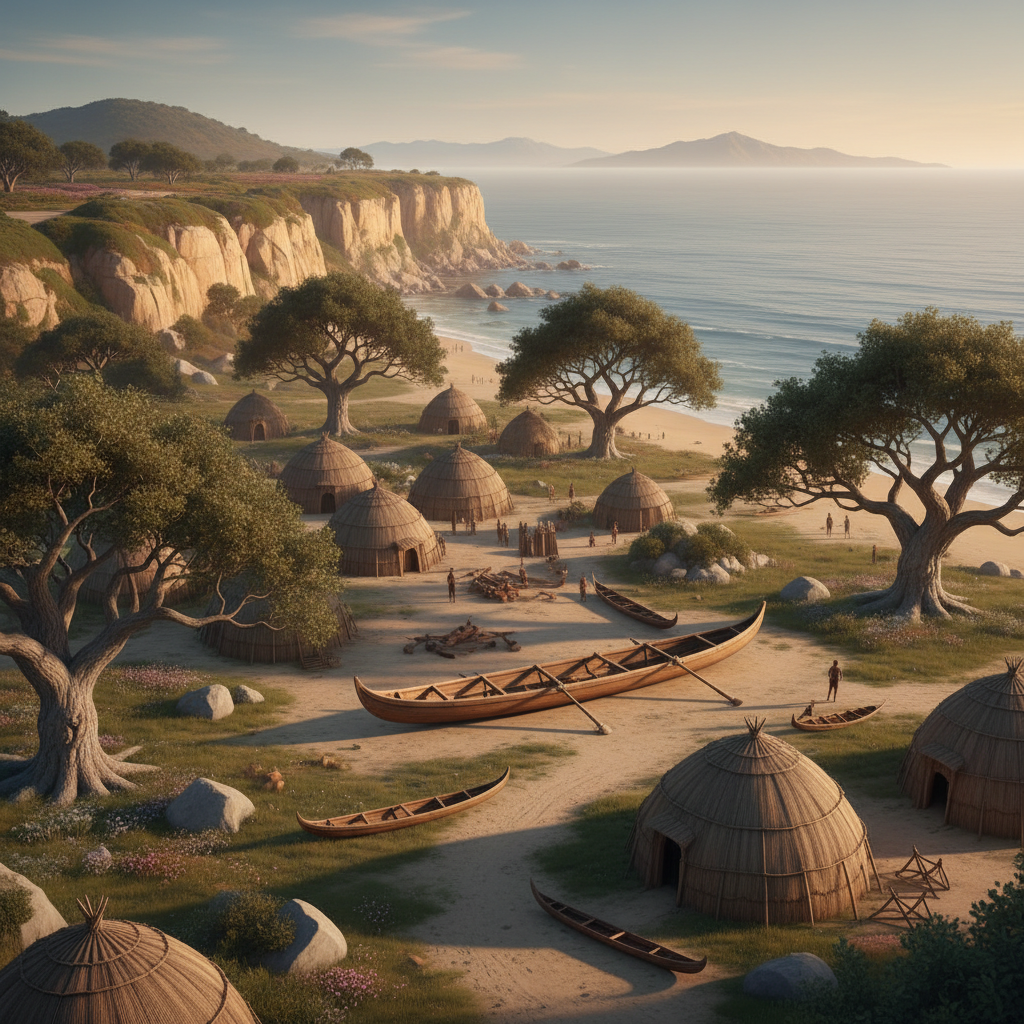
Santa Barbara's history stretches back more than 13,000 years to the Chumash people, whose channel villages — Syuxtun (downtown Santa Barbara), Mikiw (Goleta), Mishopshno (Carpinteria) and many more — formed one of the most sophisticated maritime societies in the Americas. In 1542, Juan Rodríguez Cabrillo sailed the channel and documented their thriving towns. In 1782, Spain founded El Presidio Real de Santa Bárbara — the last of its four royal fortresses in Alta California — and four years later, Old Mission Santa Barbara was founded, becoming known as the Queen of the Missions.
From the Presidio and the Mexican rancho era, through Stearns Wharf in 1872, the Flying A silent-film studios of the 1910s that made Santa Barbara the Hollywood of its time, the 1925 earthquake that gave the city its unified Spanish Colonial Revival skyline, Old Spanish Days Fiesta, George Washington Smith's Montecito estates, and Solvang and the Danish villages of the Santa Ynez Valley, to the modern wine corridor and coastal life — Santa Barbara has continuously rebuilt itself without ever losing its earlier layers. This is the story of how a channel village became one of the great cultural cities of California.
Santa Barbara was incorporated on April 9, 1850 — five months before California itself became a state.
Historical Timeline
Explore 13,000+ years of Santa Barbara County history across five defining eras. Click any event to read the full story.
The Chumash — Stewards of the South Coast
The Chumash people have lived along the Santa Barbara Channel and Channel Islands for more than 13,000 years.
Cabrillo Names the Channel
Juan Rodríguez Cabrillo sails the Santa Barbara Channel and encounters thriving Chumash villages along the coast.
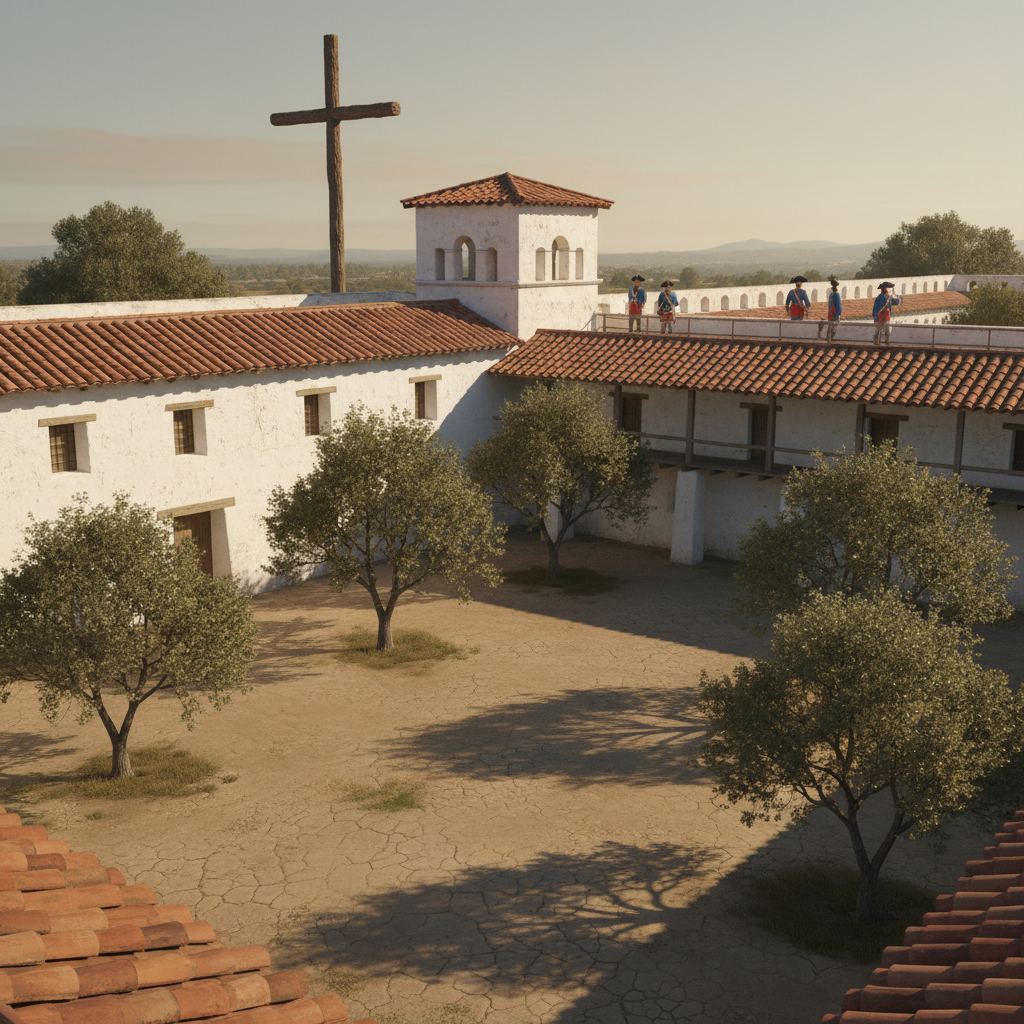
El Presidio de Santa Bárbara — The Last Royal Fortress
Spain founds its fourth and final Alta California presidio on the Santa Barbara coast on April 21, 1782.
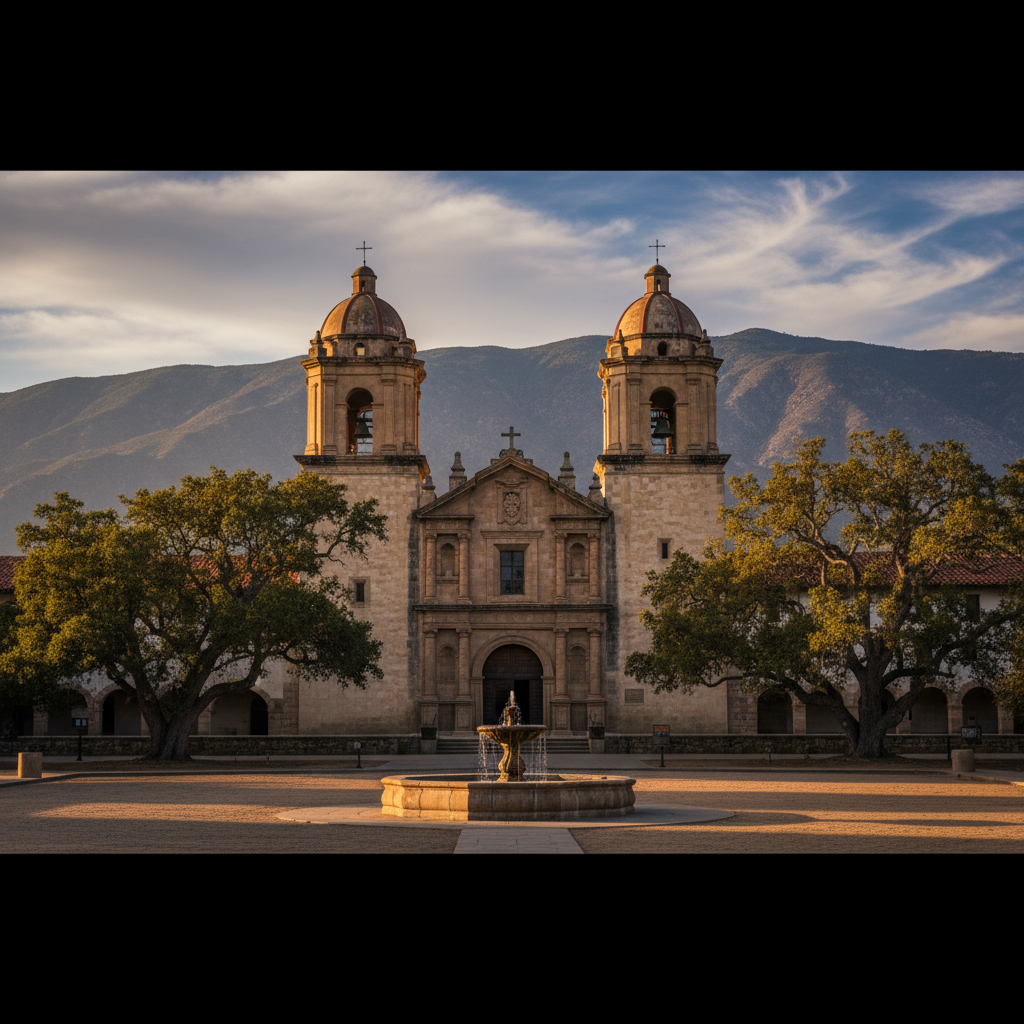
Old Mission Santa Barbara — Queen of the Missions
Father Fermín Lasuén founds Mission Santa Barbara on December 4, the feast day of Saint Barbara.
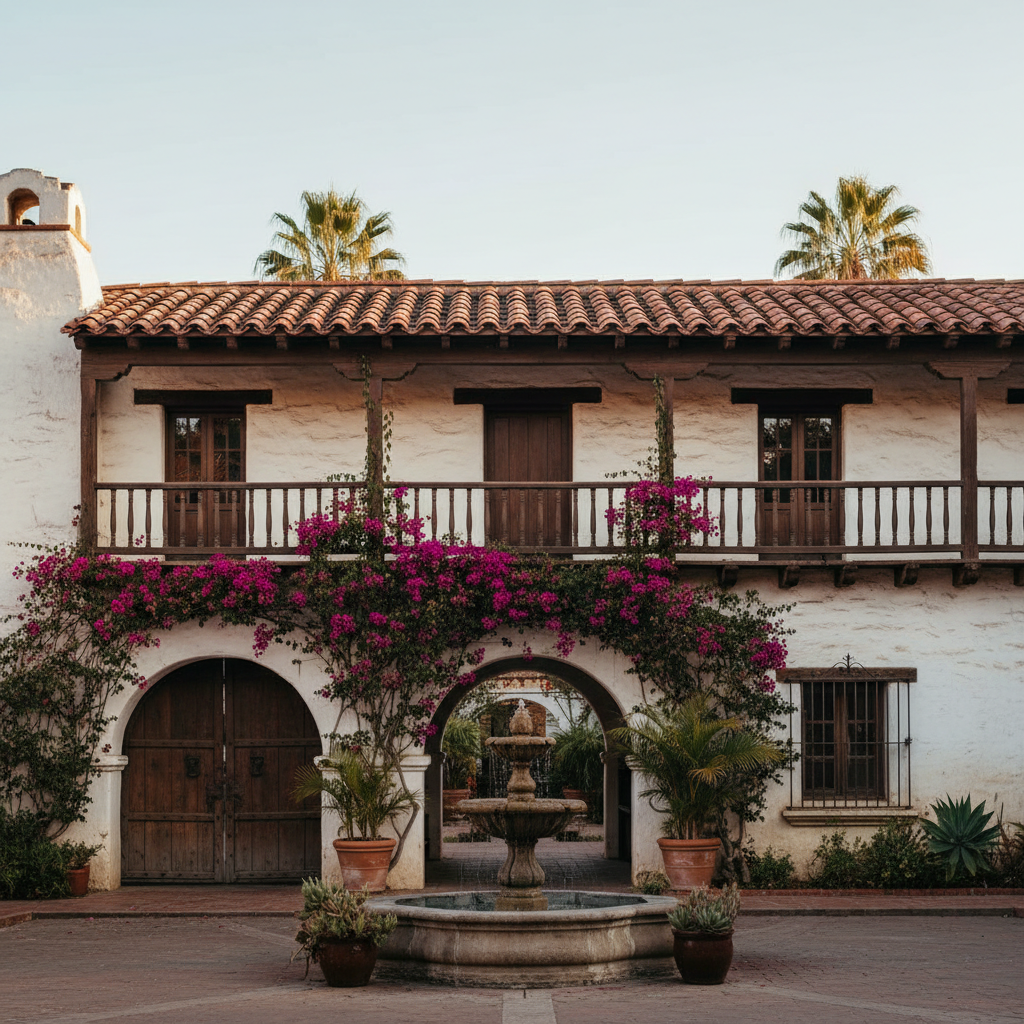
Mexican Alta California & the Rancho Era
After Mexican independence, Santa Barbara becomes a pueblo of grand adobe homes and vast cattle ranchos.
California Statehood & a Californio Town
Santa Barbara is incorporated April 9, 1850 — months before California itself becomes a state.
Stearns Wharf & the Harbor Economy
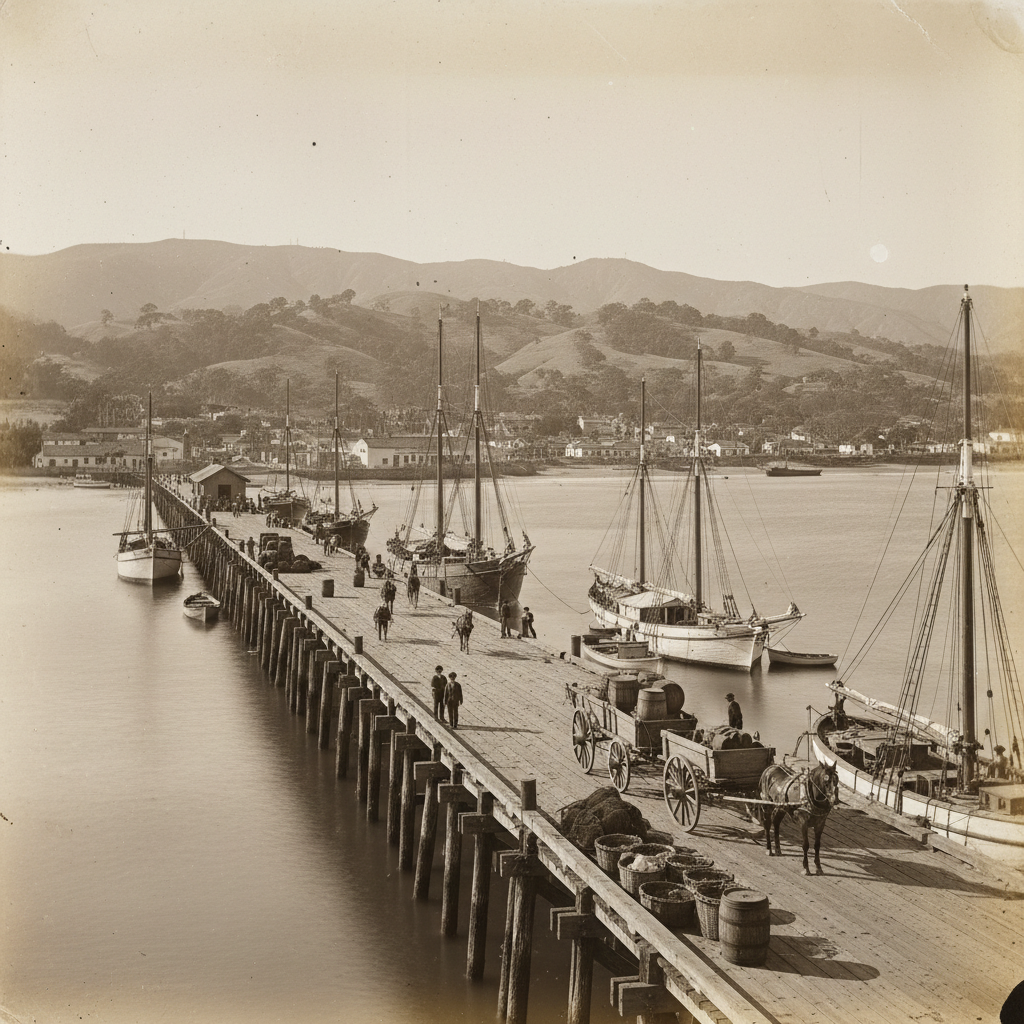
John Peck Stearns builds the longest deepwater wharf between Los Angeles and San Francisco — and opens Santa Barbara to the world.
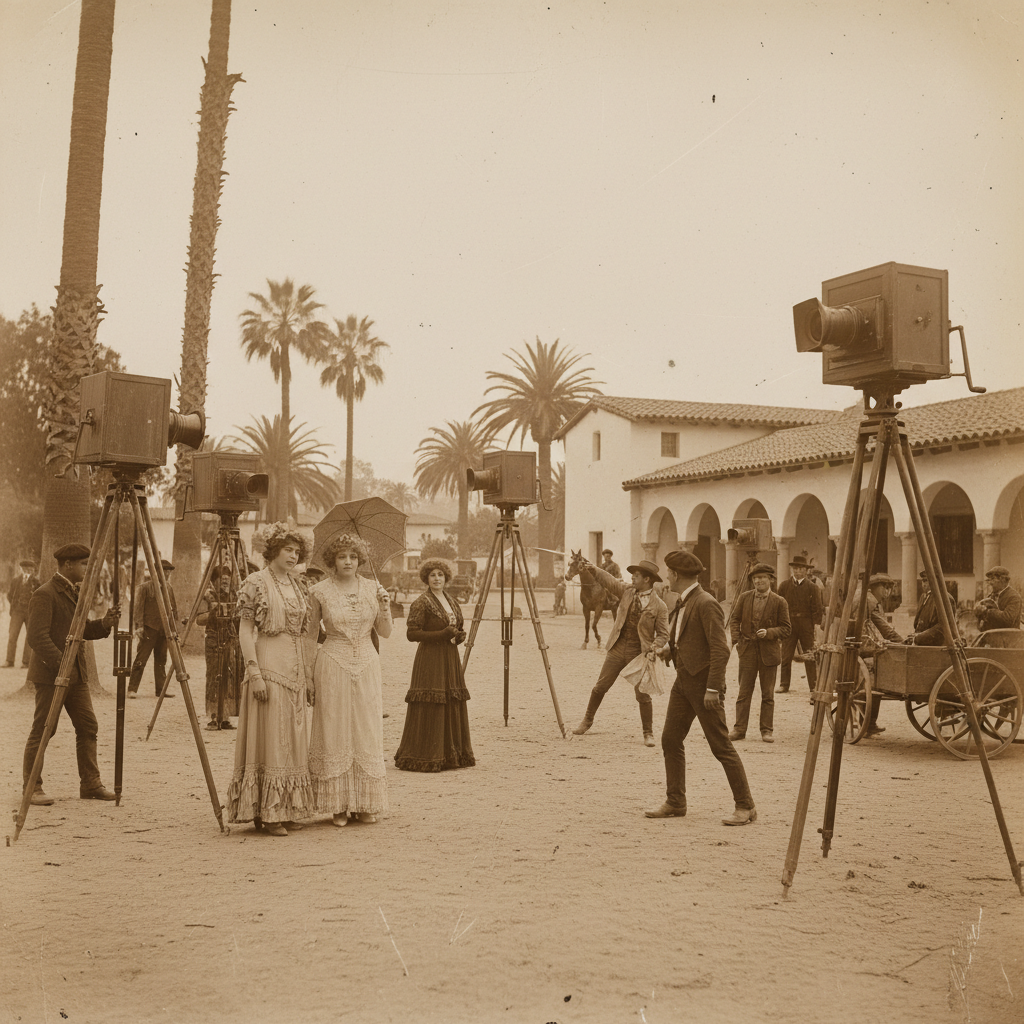
Flying A Studios — The Hollywood of Its Time
The American Film Manufacturing Company makes Santa Barbara the largest movie studio town in the world.
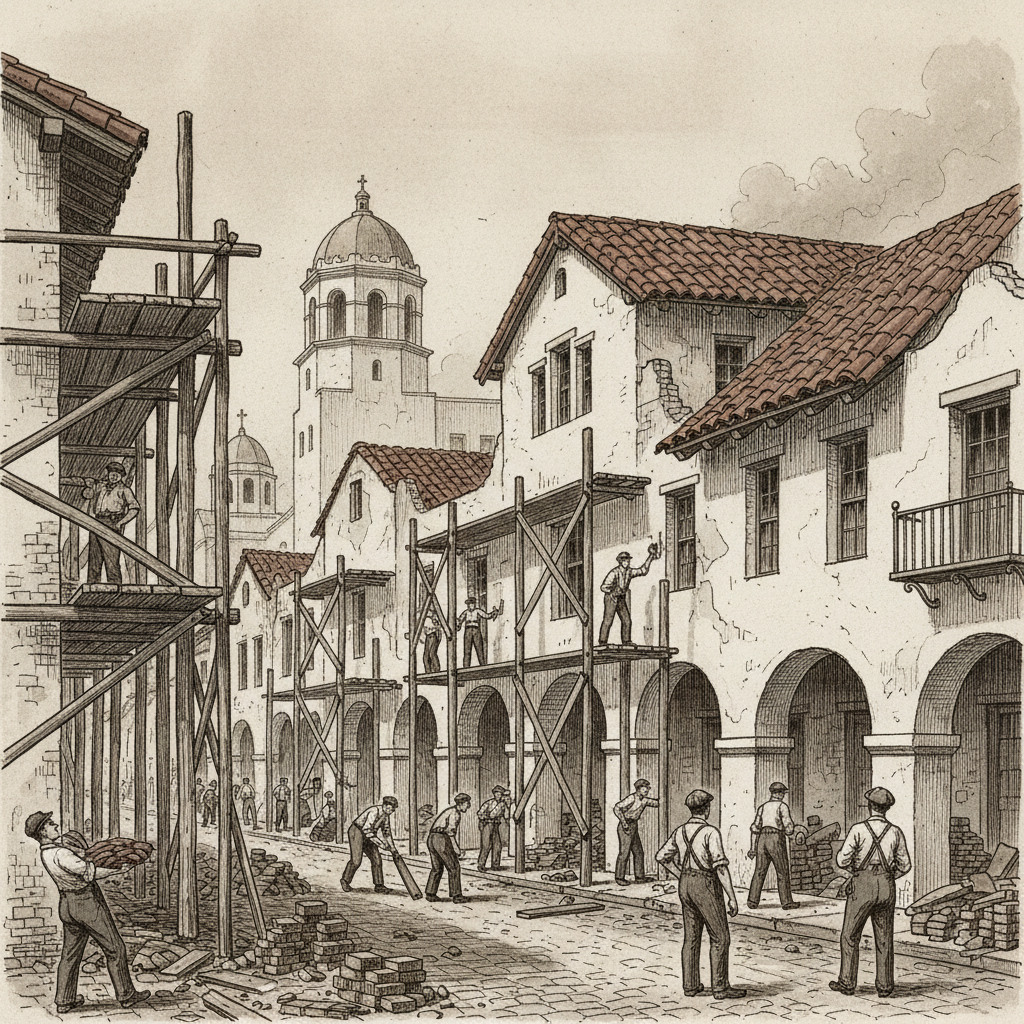
The Earthquake That Rebuilt a City
A 6.8 earthquake on June 29 destroys much of downtown — and gives Santa Barbara the chance to rebuild as a unified Spanish Colonial Revival city.
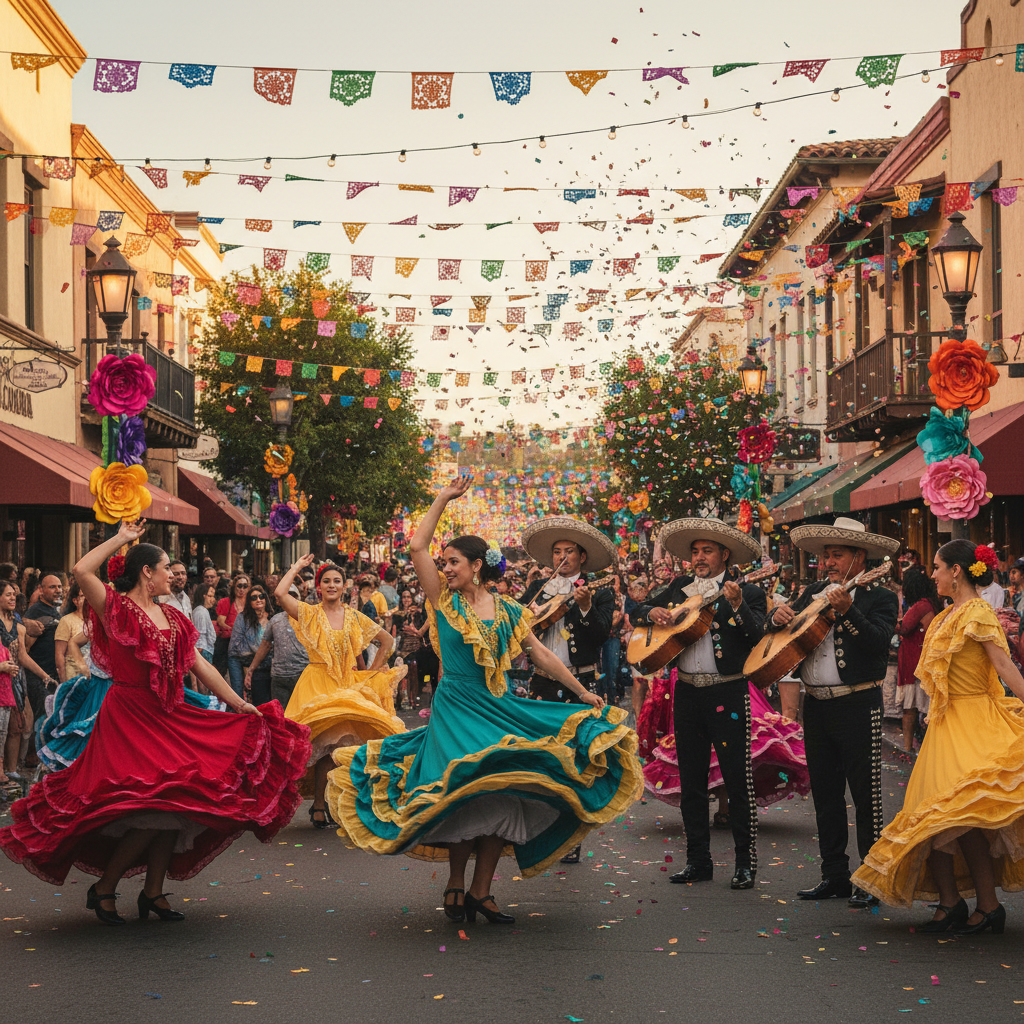
Old Spanish Days Fiesta Begins
A summer festival celebrating Santa Barbara's Spanish, Mexican, and Californio heritage launches in August 1924 — and becomes a century-old tradition.
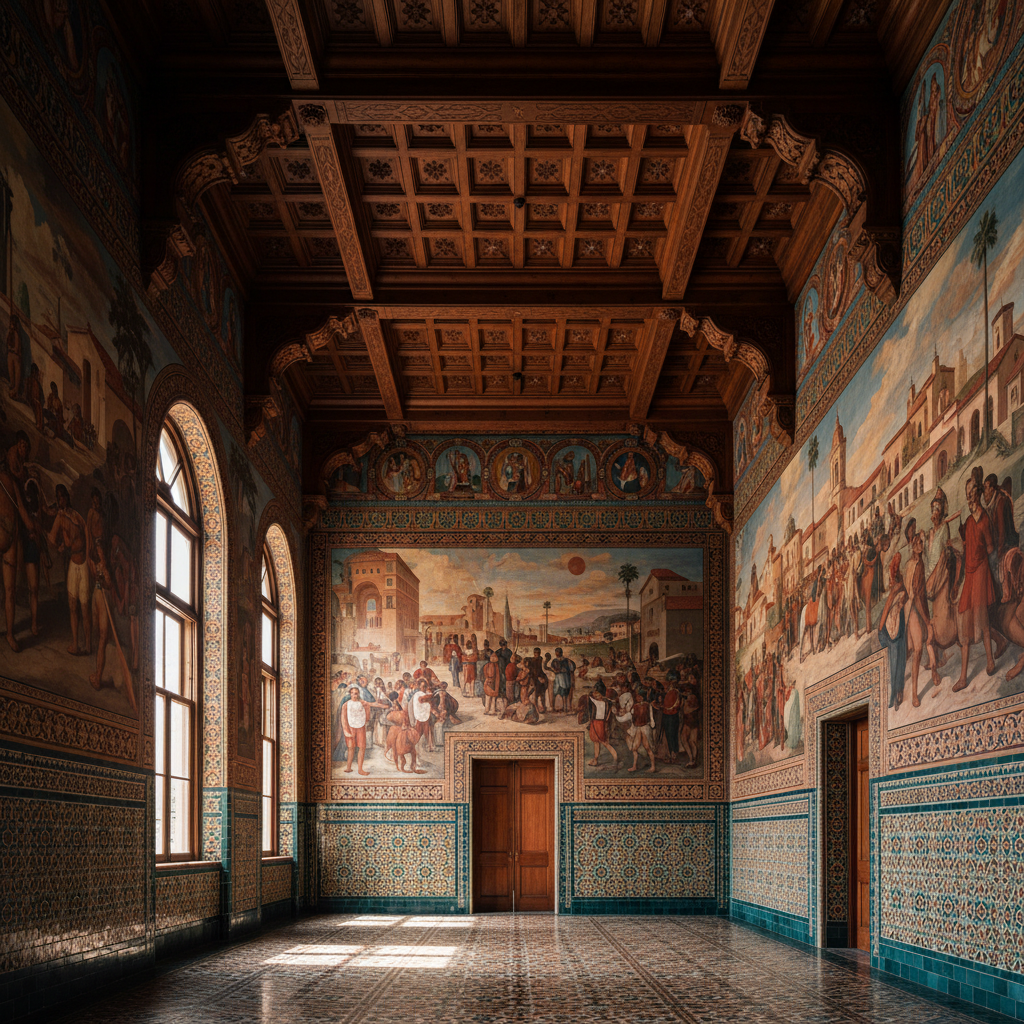
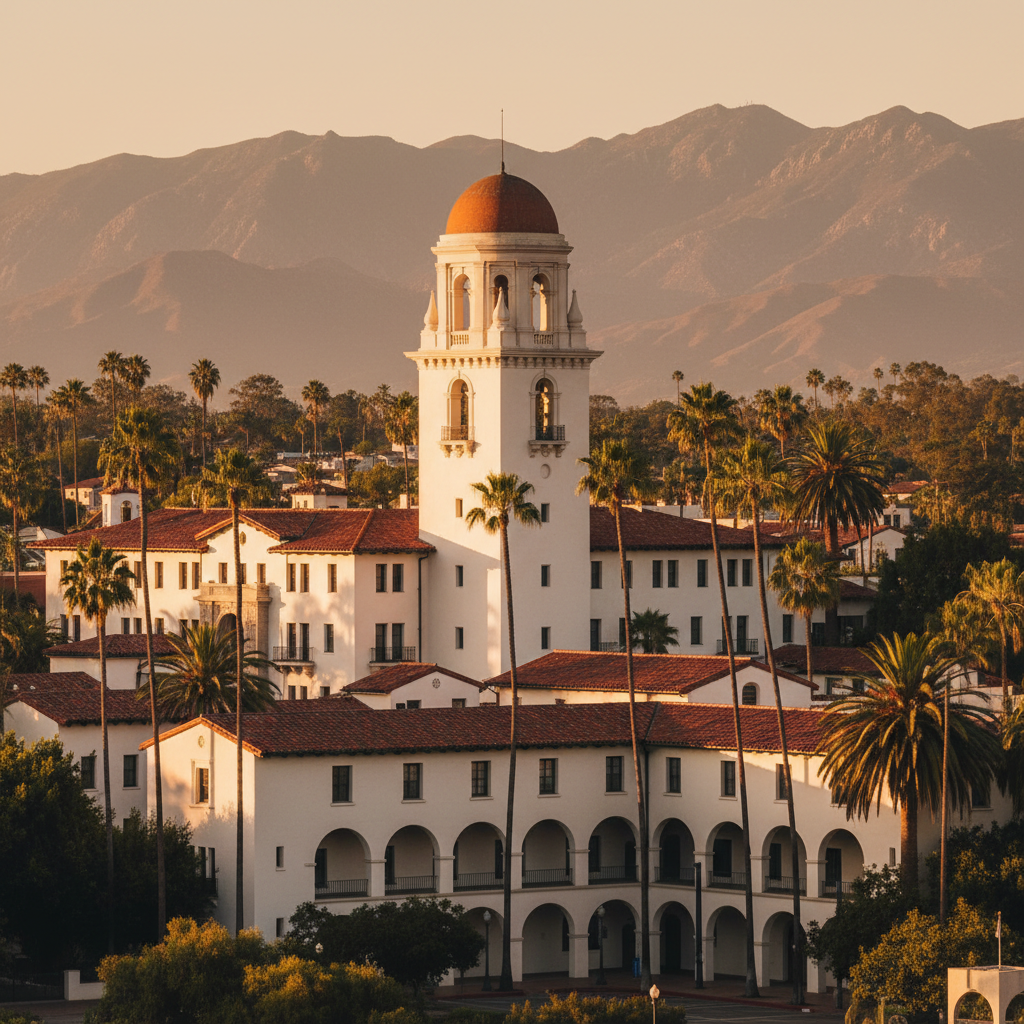
The County Courthouse — A Masterpiece in Stucco
The Santa Barbara County Courthouse — widely considered the finest Spanish Colonial Revival building in America — opens August 14, 1929.
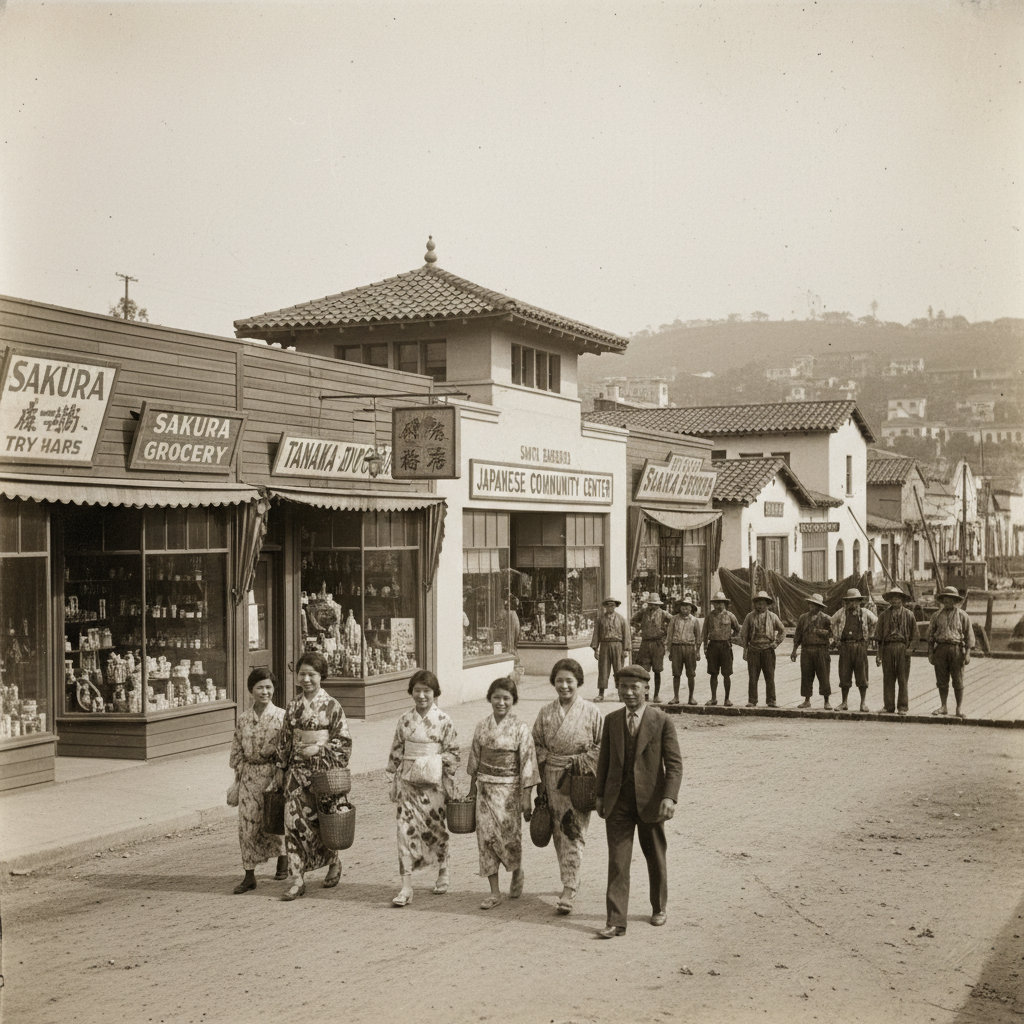
Japanese American Santa Barbara
A thriving Japanese American community builds farms, fisheries, and businesses around the Presidio Neighborhood and the coast.
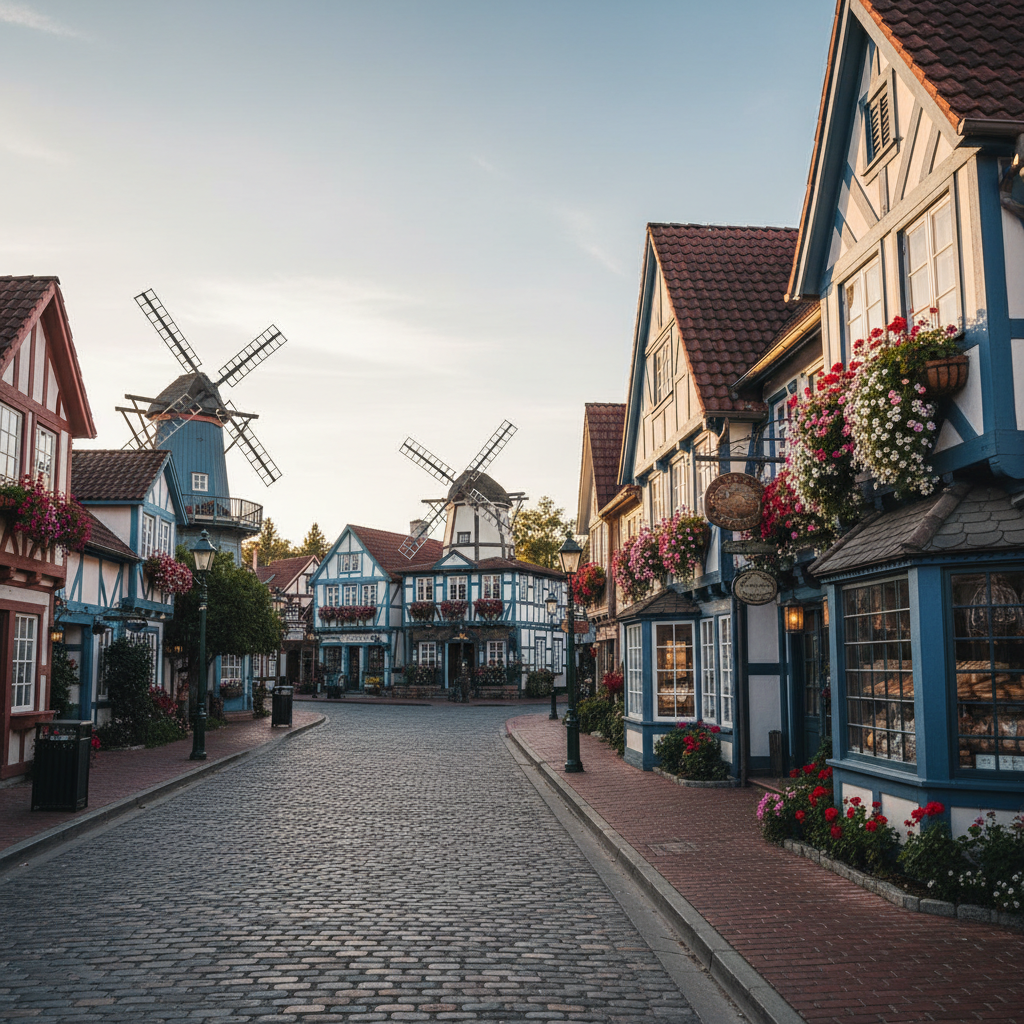
Solvang & the Danish Settlement
Danish-American immigrants found Solvang in the Santa Ynez Valley as a folk school colony — and create one of the most distinctive small towns in California.
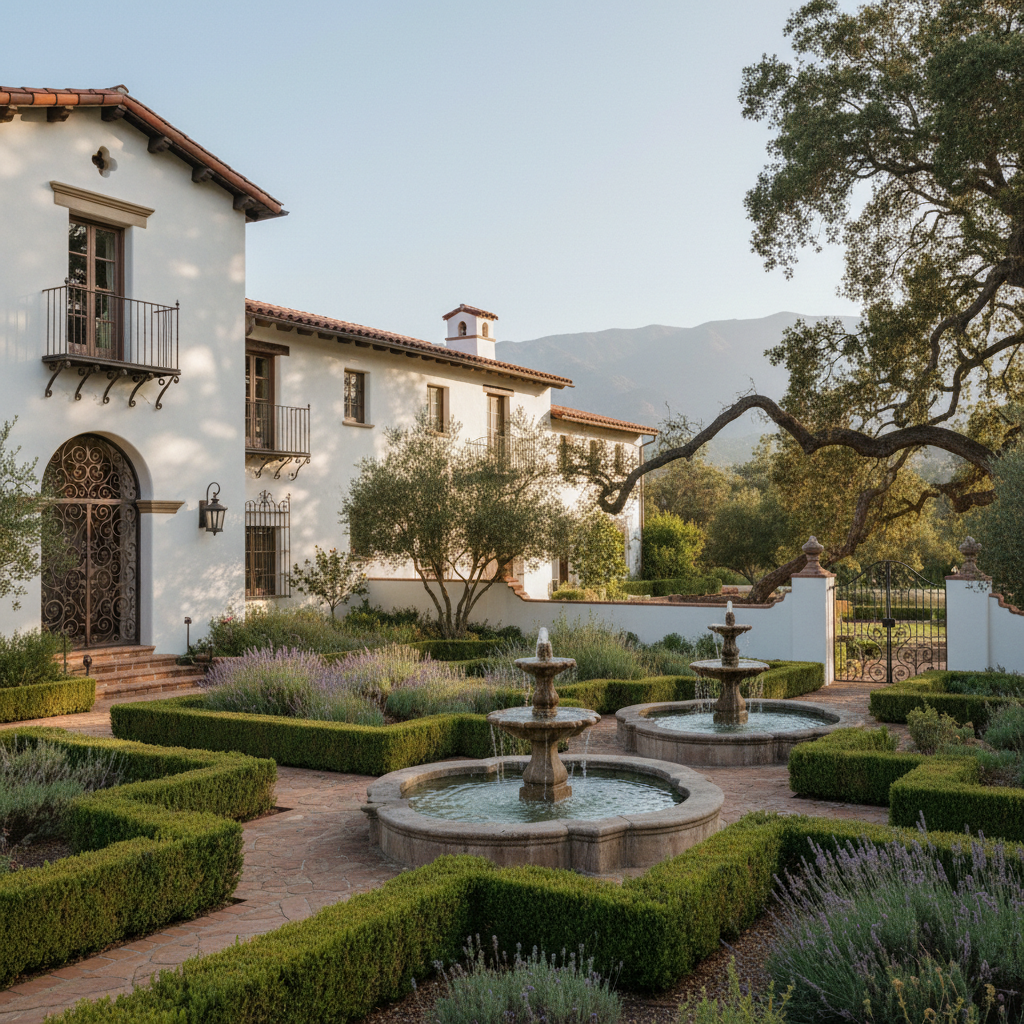
Casa del Herrero Preserved
George Fox Steedman's 1925 Spanish Colonial Revival country estate in Montecito becomes one of the best-preserved historic estates in the country.
El Pueblo Viejo Landmark District
Santa Barbara designates a downtown landmark district to preserve the adobes, the Presidio area, and the post-1925 Spanish Colonial fabric.
A Coastal, Layered, Premium California City
Modern Santa Barbara County weaves together Chumash heritage, Spanish-Mexican identity, post-earthquake architecture, wine country, and one of California's most distinctive coastal lifestyles.
Why This History Matters Today
You can read Santa Barbara's history just by walking through it. The Chumash homeland is still here — the Santa Ynez Band of Chumash Indians continues an unbroken cultural presence on the South Coast. The Presidio still has its original adobes. The Mission is still an active Franciscan parish. Stearns Wharf still reaches into the channel. The downtown rebuilt after 1925 still defines the city's skyline. Solvang is still Danish. The Santa Ynez Valley is still ranch and wine country.
That layered, visible past is what makes Santa Barbara County unusual among California places — a place where every era is still present in the streets, the hills, and the channel. Understanding it is what turns a visit into a connection, and a move into a sense of belonging.
Historic Landmarks
Visit the places where Santa Barbara's history was made — from the Presidio and the Mission to Stearns Wharf and Chumash Painted Cave.
Old Mission Santa Barbara
Founded December 4, 1786, on the feast day of Saint Barbara. The current sandstone façade was completed in 1820 and modeled on a Vitruvian Roman temple — unique among California's 21 missions. Home to the Mission's original library, archives, garden, cemetery, and aqueduct system.
California's 'Queen of the Missions' — the only mission continuously occupied by Franciscans since founding
El Presidio de Santa Bárbara
Founded April 21, 1782. El Cuartel — the second-oldest building in California — and the reconstructed Chapel, Padre's Quarters, and Comandancia stand on their original site, a rarity among California presidios. Operated as a State Historic Park by the Santa Barbara Trust for Historic Preservation.
Last Spanish royal fortress founded in Alta California — and the literal birthplace of Santa Barbara
Santa Barbara County Courthouse
Completed in 1929 in the post-earthquake rebuild, the Courthouse occupies a full city block with hand-painted murals, El Mirador clock tower, a sunken garden, and one of the most photographed public buildings in California. Still a working courthouse today.
Widely considered the finest Spanish Colonial Revival building in America
Casa de la Guerra
Built between 1819 and 1827 by José de la Guerra y Noriega, fifth comandante of the Presidio. Casa de la Guerra hosted the most famous wedding in California history (Henry Wikoff and Anita de la Guerra, immortalized by Richard Henry Dana in *Two Years Before the Mast*). Today a museum and the symbolic home of Old Spanish Days Fiesta.
Home of the Presidio comandante and the social heart of Mexican-era Alta California
Stearns Wharf
Built in 1872 by lumberman John Peck Stearns. At 1,500 feet, it was the longest deepwater wharf between Los Angeles and San Francisco and transformed the local economy. Now home to the Sea Center, restaurants, and one of the most photographed views in California.
The oldest working wharf in California and Santa Barbara's symbolic front door
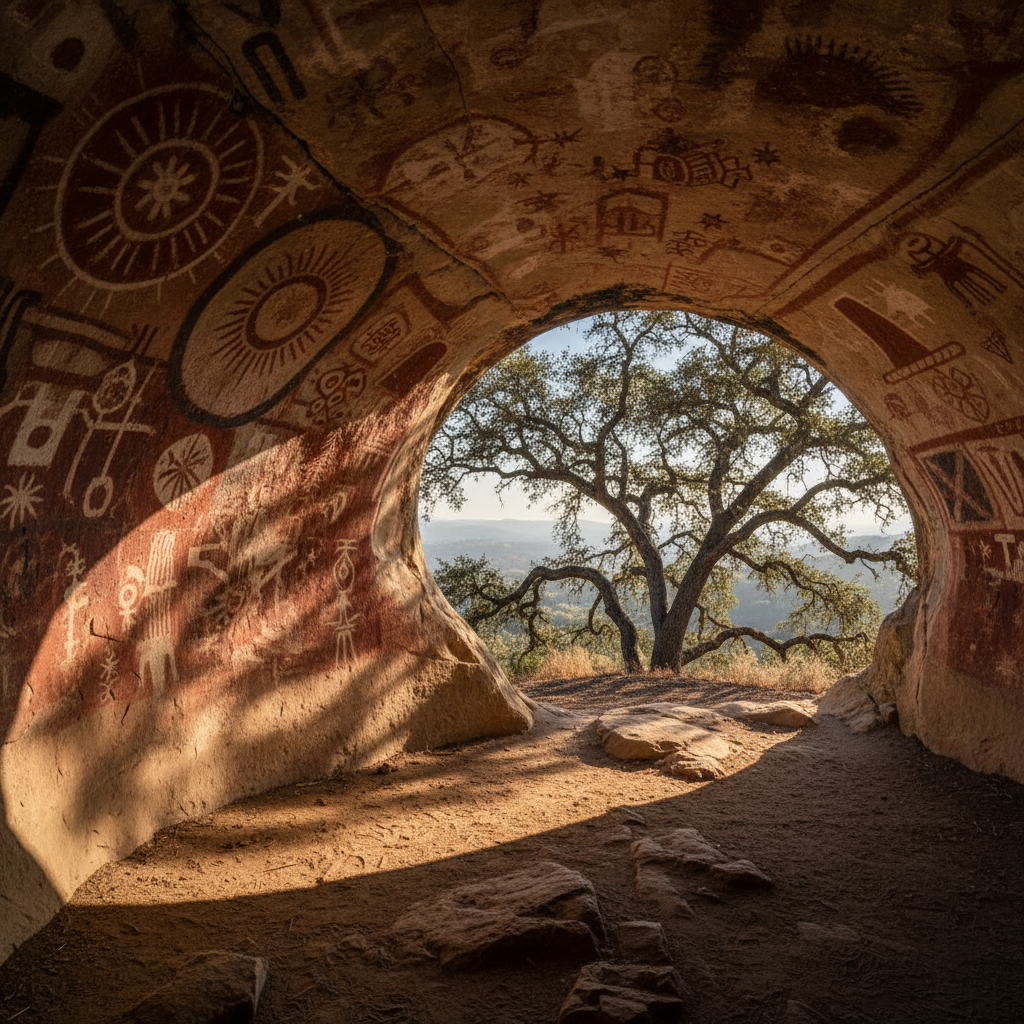
Chumash Painted Cave
Vivid red, white, and black Chumash paintings on the sandstone ceiling of a small cave in the Santa Ynez Mountains, depicting cosmological symbols believed to be hundreds of years old. Protected as Chumash Painted Cave State Historic Park.
One of the finest examples of indigenous rock art in North America
Casa del Herrero
Designed by George Washington Smith for engineer-ironworker George Fox Steedman in 1925. Hand-forged ironwork, Spanish and Persian tile, and Renaissance gardens designed by Lockwood de Forest. The interior remains virtually unchanged since the 1920s. Open by reservation.
National Historic Landmark — one of the best-preserved Spanish Colonial Revival country estates in America
Lobero Theatre
Originally built in 1873 by Italian immigrant José Lobero as Lobero's Opera House. Rebuilt in 1924 in Spanish Colonial Revival style by George Washington Smith — the rebuild that helped inspire the post-earthquake architectural movement.
California's oldest continuously operating theatre
Mission Santa Inés
Founded September 17, 1804 to serve the Chumash communities of the Santa Ynez Valley. Still active as a parish today, with one of the best-preserved mission museums in California — gardens, original adobe walls, and a quiet contemplative feel that contrasts beautifully with nearby Solvang.
The 19th California mission — anchoring the Santa Ynez Valley's earliest colonial history
A Culture Built in Layers
Santa Barbara's identity isn't a single story — it's six overlapping ones. Each is alive in the county today.
Chumash Living Heritage
The Santa Ynez Band of Chumash Indians continues an unbroken cultural presence on the South Coast. Chumash language, art, tomol revivals, and stewardship of the channel remain a living, foundational layer of Santa Barbara's identity.
Spanish, Mexican & Californio Heritage
From the Presidio adobes to Casa de la Guerra to the August streets of Fiesta, the Spanish-Mexican-Californio identity is the cultural backbone of Santa Barbara — celebrated, lived, and visible every day downtown.
Architectural Identity
After the 1925 earthquake, Santa Barbara rebuilt itself as a single unified Spanish Colonial Revival city. White stucco, red tile, wrought iron, arched arcades — one of the most architecturally distinctive cities in America was created on purpose.
Film & Cultural History
Before Hollywood, Santa Barbara was the silent-film capital of America. Today, that cinematic identity continues through the Santa Barbara International Film Festival, the Granada, and the country's oldest continuously operating theatre, the Lobero.
Coastal & Surf Culture
From Rincon Point to Hendry's to Jalama, Santa Barbara County is one of the most storied stretches of surf coast in California. The harbor, Stearns Wharf, and the channel itself define an outdoor lifestyle as central to local identity as any building downtown.
Wine Country & North County
The Santa Ynez Valley, Sta. Rita Hills, Los Olivos, Lompoc, and Santa Maria together form one of the most respected American wine regions — layered over Chumash homeland, mission ranches, Mexican land grants, and the Danish folk village of Solvang.
Notable Figures
The people who built, shaped, and defined Santa Barbara — from Chumash elders to visionary architects.
Chumash Elders
Original stewards of the channel
Juan R. Cabrillo
Charted the Santa Barbara Channel
Sebastián Vizcaíno
Named the channel 'Santa Bárbara'
Father Fermín Lasuén
Founded Old Mission Santa Barbara
José de la Guerra
Comandante of the Presidio & Californio patriarch
John Peck Stearns
Built Stearns Wharf — transformed the harbor
Pearl Chase
Civic leader behind post-1925 rebuild
George Washington Smith
Defining architect of SB Spanish Colonial Revival
George Fox Steedman
Built Casa del Herrero & forged its ironwork
Rev. Benedict Nordentoft
Co-founder of Solvang
Julia Morgan
Architect of Margaret Baylor Inn & local works
Kathleen Norris
Beloved Santa Barbara author of her era
Neighborhoods with Deep Roots
Santa Barbara County is a constellation of neighborhoods and towns — many with histories that predate California itself. Explore their stories.
Downtown / State Street
1782 – present
The historic core — from the Presidio adobes to the 1929 Courthouse — and one of the most architecturally unified downtowns in America.
Presidio Neighborhood
1782 – present
Founding site of Santa Barbara and historic home of the city's Japanese American community in the early 20th century.
Mission Canyon
1786 – present
Anchored by Old Mission Santa Barbara, the Santa Barbara Botanic Garden, and the original mission aqueduct.
Funk Zone & Waterfront
1872 – present
Built around Stearns Wharf and the harbor — Santa Barbara's maritime, fishing, and now wine-and-art district.
Montecito
1800s – present
Country estates of the Spanish Colonial Revival era — including Casa del Herrero and dozens of George Washington Smith homes.
Goleta
Pre-history – present
Original Chumash villages of Mikiw and Helo, later ranching and agricultural land, now home to UC Santa Barbara.
Carpinteria
Pre-history – present
Chumash village of Mishopshno — named for the Chumash boat builders Spanish explorers observed making tomols here.
Solvang
1804 / 1911
Built on Mission Santa Inés land, founded in 1911 by Danish-American educators as a folk school colony.
Santa Ynez Valley
Pre-history – present
Chumash homeland, Spanish mission land, Mexican rancho country, and now one of California's most celebrated wine regions.
Lompoc
1787 / 1874
Mission La Purísima Concepción anchored the area; the modern town was founded by a temperance colony in 1874.
Santa Maria
1874 – present
North County agricultural city — and birthplace of Santa Maria–style barbecue, one of California's signature regional cuisines.
Keep Exploring Santa Barbara
From the neighborhoods that made the city to the parks, restaurants, and wine country that define it today.